 July 2013 in “Our Dermatology Online”
 Oral methylprednisolone pulse therapy helped an 11-year-old regrow 80% of his hair in six months.
 April 2012 in “Informa Healthcare eBooks”
 Lichen planopilaris is a rare, chronic condition causing hair loss, mainly in middle-aged women, and early treatment is important to prevent permanent baldness.
 July 2010 in “Journal of Investigative Dermatology”
 Scientists found gene mutations that affect hair loss, skin stem cells, and skin disorders, and identified drugs that may help treat blood vessel and skin conditions.
January 2010 in “Annals of King Edward Medical University” The combination of minoxidil and betamethasone is more effective for hair regrowth than minoxidil alone.
January 2009 in “Epsilon: Revista de la Sociedad Andaluza de Educación Matemática "Thales"” A CCS patient with severe complications was successfully treated using combined therapies.
 January 2007 in “Elsevier eBooks”
 Alopecia areata is a reversible, autoimmune-related hair loss that can have significant emotional impact and uncertain treatment effectiveness.
January 2003 in “Journal of Practical Aesthetic and Plastic Surgery” Both steroid treatments effectively regrow hair in severe alopecia areata.
 August 1998 in “Dermatologic Surgery”
 Use steroid creams without parabens and educate on hair transplant techniques to improve cosmetic surgery outcomes.
 May 1994 in “Reactions Weekly”
 Many medications can cause hair loss or excessive hair growth, which is usually reversible after stopping the drug.
 January 1982 in “Journal of The American Academy of Dermatology”
 Experts discussed treatments for skin conditions in children, emphasizing hydration, cautious medication use, and early intervention for infections.
Corticosteroids and topical irritants are used to treat alopecia areata.
 July 1976 in “Archives of Dermatology”
 Some people may naturally have beaded lines on their skin that are more visible with certain treatments, and hair loss similar to post-pregnancy can occur after specific diet and therapy.
 July 1976 in “Archives of Dermatology”
 The document suggests more research is needed to understand skin conditions related to toothpaste and other treatments.
 April 2024 in “International Journal of Research Publication and Reviews”
 Alopecia areata causes hair loss with varied treatment responses and frequent relapses.
 February 2024 in “Lasers in Medical Science”
 Lasers and energy-assisted methods show promise for treating hair loss, but more research is needed.
 January 2024 in “Dermatologic therapy”
 AKN is a chronic scalp condition in African-descended males, treated with topicals, antibiotics, steroids, and sometimes surgery or laser.
 December 2023 in “European journal of dermatology/EJD. European journal of dermatology”
 More effective treatments are needed for severe alopecia areata.
 May 2023 in “Elsevier eBooks”
 Scarring alopecia causes permanent hair loss, and treatment aims to reduce inflammation and stop it from getting worse.
January 2023 in “Indian journal of pharmacy practice” Over-the-counter cosmetic creams can cause skin damage on the face that is visible under dermoscopy and confirmed by tissue analysis.
 October 2022 in “Portuguese journal of dermatology and venereology”
 The best concentration of triamcinolone acetonide for treating alopecia areata is still unclear.
 August 2022 in “IntechOpen eBooks”
 The best treatment for Frontal Fibrosing Alopecia and Lichen Planopilaris combines oral and topical medications to reduce symptoms and stop hair loss.
 June 2022 in “Journal of pharmaceutical research international”
 Alopecia causes patchy hair loss and can be diagnosed with new techniques; treatments like strong creams and contact immunotherapy can help.
 December 2016 in “Springer eBooks”
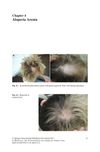
 A 45-year-old woman with autoimmune diseases experienced patchy hair loss due to alopecia areata, which has no cure but can be treated, with varying success.
 January 2016 in “Springer eBooks”
 Alopecia Areata is an unpredictable autoimmune hair loss condition with limited and variable treatment effectiveness.
January 2009 in “Beijing Medical Journal” Combined therapy effectively improved severe alopecia areata in all patients after 6 months.
 January 1983 in “Journal of The American Academy of Dermatology”
 The document suggests improvements for a hair and scalp disease book and recommends a two-volume skin surgery reference for dermatologists.
January 1999 in “Salina: revista de lletres” Ashwagandha may help reduce symptoms of adrenal hyperplasia.
 8 citations
,
October 2016 in “Actas Dermo-Sifiliográficas”
8 citations
,
October 2016 in “Actas Dermo-Sifiliográficas” FFA in men, often mistaken for other hair loss types, may be more common than thought and needs larger studies for confirmation.
March 2026 in “Minia Journal of Medical Research” Topical corticosteroids improve hair regrowth in alopecia areata.
143 citations
,
January 2004 in “Journal of Investigative Dermatology Symposium Proceedings” Alopecia areata is an autoimmune disease causing hair loss, treatable with immune-modulating drugs, and linked to genetics.