 13 citations
,
June 2015 in “International Journal of Dermatology”
13 citations
,
June 2015 in “International Journal of Dermatology” Patients with hair loss are much more likely to have body dysmorphic disorder than general dermatology patients.

Researchers found a genetic link for hereditary hair loss but need more analysis to identify the exact gene.
 1 citations
,
January 2021 in “Acta dermatovenerologica Alpina, Pannonica et Adriatica (Tiskana izd.)”
1 citations
,
January 2021 in “Acta dermatovenerologica Alpina, Pannonica et Adriatica (Tiskana izd.)” High prolactin levels might be linked to hair loss in autoimmune thyroid disease, but more research is needed.
November 2025 in “Psychoneuroendocrinology” Hair proteomics could be a useful, non-invasive tool for identifying stress-related disorders.
 March 2025 in “medRxiv (Cold Spring Harbor Laboratory)”
 Hair proteomics could be a promising non-invasive way to identify stress-related disorders.
 30 citations
,
July 2010 in “Experimental Dermatology”
30 citations
,
July 2010 in “Experimental Dermatology” Polyamines are important for hair growth, but more research is needed to understand their functions and treatment potential.
 2 citations
,
May 2001 in “Current problems in dermatology”
2 citations
,
May 2001 in “Current problems in dermatology” The conclusion is that effectively treating hair disorders is difficult due to the complex factors affecting hair growth and more research is needed to improve treatments.
 1 citations
,
November 2022 in “Research Society and Development”
1 citations
,
November 2022 in “Research Society and Development” Medicinal plants can treat hair disorders by fighting fungi and improving hair health.
August 2006 in “Experimental dermatology” New treatments targeting insulin, blood flow, and inflammation could improve hormone-related hair conditions with fewer side effects.
15 citations
,
July 2014 in “The journal of investigative dermatology/Journal of investigative dermatology” iPSCs can help treat genetic skin disorders by creating healthy skin cells from a small biopsy.
 3 citations
,
June 2007 in “Journal of Cosmetic Dermatology”
3 citations
,
June 2007 in “Journal of Cosmetic Dermatology” Using the right hair care products can improve hair health and help manage hair disorders.
December 2012 in “International Journal of Phytomedicine” SESA oil and capsules effectively and safely reduce hair fall and promote hair growth.
 42 citations
,
March 2008 in “Molecular and Cellular Endocrinology”
42 citations
,
March 2008 in “Molecular and Cellular Endocrinology” Hormones and neuroendocrine factors control hair growth and color, and more research could lead to new hair treatment options.
 68 citations
,
May 2018 in “PLOS Biology”
68 citations
,
May 2018 in “PLOS Biology” Cyclosporine A may help treat hair loss by blocking a protein that inhibits hair growth.
11 citations
,
March 2006 in “Journal of medical ethics” PRP injections may be an effective treatment for severe hair loss.
 9 citations
,
February 2016 in “Cambridge University Press eBooks”
9 citations
,
February 2016 in “Cambridge University Press eBooks” The conclusion is that self-concept, shame, and emotion regulation are key factors in hoarding disorder, body dysmorphic disorder, and trichotillomania, and should be targeted in treatment and research.
84 citations
,
April 2002 in “Archives of Dermatology” Loose anagen hair syndrome may be caused by keratin gene mutations.
 53 citations
,
April 2018 in “Journal of The American Academy of Dermatology”
53 citations
,
April 2018 in “Journal of The American Academy of Dermatology” Cancer treatments often cause hair disorders, significantly affecting patients' quality of life, and better management methods are needed.
 April 2025 in “Clinical Dermatology Review”
 Trichoscopy is effective for diagnosing hair and scalp disorders without invasive biopsies.
 212 citations
,
September 2015 in “Journal of Investigative Dermatology”
212 citations
,
September 2015 in “Journal of Investigative Dermatology” The document provides a method to classify human hair growth stages using a model with human scalp on mice, aiming to standardize hair research.
 100 citations
,
November 1996 in “Molecular Medicine Today”
100 citations
,
November 1996 in “Molecular Medicine Today” Growth factors and cytokines are important for hair growth and could potentially treat hair loss, but more research is needed to overcome challenges before they can be used in treatments.
54 citations
,
May 2019 in “Multiple Sclerosis and Related Disorders” Azathioprine can help with relapses and disability in NMOSD but has more side effects and needs more research.
 30 citations
,
June 2014 in “Seminars in Immunology”
30 citations
,
June 2014 in “Seminars in Immunology” Future research on ectodysplasin should explore its role in diseases, stem cells, and evolution, and continue developing treatments for genetic disorders like hypohidrotic ectodermal dysplasia.
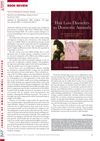 1 citations
,
December 2010 in “The journal of small animal practice/Journal of small animal practice”
1 citations
,
December 2010 in “The journal of small animal practice/Journal of small animal practice” The book helps veterinarians understand and treat hair loss in animals.
March 2026 in “Tropical Doctor” Alopecia areata and non-alcoholic fatty liver disease might be linked, but more research is needed.
 November 2023 in “Aktualʹnì problemi sučasnoï medicini”
 The guidelines suggest using various treatments, including antidepressants and steroids, for alopecia areata and discuss the condition's genetic and immune aspects.
 30 citations
,
July 2017 in “BioEssays”
30 citations
,
July 2017 in “BioEssays” Activating NRF2 might help treat hair disorders by improving antioxidant defenses.
November 2025 in “Skin Appendage Disorders” Ayurvedic treatments may help improve hair health and growth.
 November 2025 in “Kufa Journal of Engineering”
 AI can effectively detect hair and scalp disorders from images.
 17 citations
,
December 2015 in “International Journal of Cosmetic Science”
17 citations
,
December 2015 in “International Journal of Cosmetic Science” Visible light can improve skin disorders and hair loss, but more research is needed to understand long-term effects.