 May 2026 in “Zenodo (CERN European Organization for Nuclear Research)”
 Natural hair dyes like henna and beetroot are safer but have limited colors and may fade easily.
 May 2026 in “Zenodo (CERN European Organization for Nuclear Research)”
 Natural hair dyes are safer but have limited shades and may fade with washing.
 April 2026 in “Zenodo (CERN European Organization for Nuclear Research)”
 Natural plant-based hair dyes are safer and eco-friendly alternatives to synthetic dyes.
 April 2026 in “Zenodo (CERN European Organization for Nuclear Research)”
 Natural hair dyes using plants like henna and indigo are safer and eco-friendly alternatives to synthetic dyes.
 April 2026 in “Biomolecules”
 Squid ink melanin nanoparticles create a safe, long-lasting black hair dye that protects hair and offers UV protection.
 5 citations
,
February 2019 in “Journal of oceanology and limnology (Online)”
5 citations
,
February 2019 in “Journal of oceanology and limnology (Online)” Ecklonia cava extract can reduce the damage and stress caused by hair dye.
 December 2025 in “Journal of Pharma Insights and Research.”
 The shampoo naturally colors and conditions hair safely without toxic chemicals.
13 citations
,
February 2008 The new natural sindoor is safe, non-toxic, and eco-friendly.
3 citations
,
January 2013 in “Journal of cosmetics, dermatological sciences and applications” HAIRCARECUBE TM (HCC) helps hair products work better by getting active ingredients deeper into the hair.
February 2022 in “arXiv (Cornell University)” A new method accurately captures and renders hair color for real and synthetic images.
Herbal hair dyes using plants like henna and beetroot are safer and can produce varied colors, with two-stage applications giving darker shades.

Plant-based dyes are a safe, effective, and eco-friendly alternative to synthetic dyes.
51 citations
,
March 2001 in “Clinics in dermatology” Bleaching damages hair, making it rougher and weaker.
 4 citations
,
July 1992 in “Clinics in Dermatology”
4 citations
,
July 1992 in “Clinics in Dermatology” Skin surgery has significantly advanced since 1950, with improvements in chemical peels, hair restoration, lasers, and Mohs surgery, and the development of less invasive techniques and specialized training.
 April 2008 in “Medical & surgical dermatology”
 Certain hairstyles can cause scalp diseases, smoking is linked to hair loss, 5% minoxidil foam is effective for hair loss treatment, and various factors influence wound healing and hair growth.
January 2020 in “JAAD case reports” Hair loss condition FFA was seen before the appearance of skin depigmentation vitiligo in a patient.
2 citations
,
January 2010 in “Side effects of drugs annual” Dermatological drugs and cosmetics can cause serious side effects like cancer, allergies, and heart issues.
 April 2017 in “International journal of research in Ayurveda and pharmacy”
 Ayurvedic methods can help reduce the harmful effects of chemicals in cosmetics.
46 citations
,
June 1992 in “Arthritis & Rheumatism” Hair products don't affect lupus development or severity.
 1 citations
,
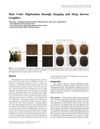
January 2022 in “Electronic Imaging”
1 citations
,
January 2022 in “Electronic Imaging” A new method accurately captures and renders hair color for virtual reality and hair dye use.
 March 2026 in “International Journal of Science and Research Archive”
 Hair coloring in 2026 requires precise science and safe techniques.
 19 citations
,
January 2012 in “Annals of Dermatology”
19 citations
,
January 2012 in “Annals of Dermatology” People need more information about hair dye ingredients and side effects.
 2 citations
,
September 2021 in “International Journal of Ayurvedic Medicine”
2 citations
,
September 2021 in “International Journal of Ayurvedic Medicine” Despite adverse effects, people continue using hair dyes for aesthetic reasons, highlighting the need for safer options.
 98 citations
,
November 2002 in “Contact Dermatitis”
98 citations
,
November 2002 in “Contact Dermatitis” Many people had severe allergic reactions to a common hair dye ingredient, causing them to seek medical care and miss work.
 40 citations
,
February 2002 in “International Journal of Dermatology”
40 citations
,
February 2002 in “International Journal of Dermatology” Permanent hair dye damages hair but it mostly recovers after 8 weeks; using certain hair care products can help repair it.
 9 citations
,
January 2010
9 citations
,
January 2010 The herbal hair dye is a safe and eco-friendly alternative to conventional dyes.
 6 citations
,
December 2018 in “Medical principles and practice”
6 citations
,
December 2018 in “Medical principles and practice” Using hair dye may slightly increase the risk of non-Hodgkin's lymphoma, especially with long-term use.
 June 2021 in “Journal of emerging technologies and innovative research”
 Onion and Aloe vera can help protect hair from damage caused by hair dyes.
 9 citations
,
November 2000 in “Proceedings of SPIE, the International Society for Optical Engineering/Proceedings of SPIE”
9 citations
,
November 2000 in “Proceedings of SPIE, the International Society for Optical Engineering/Proceedings of SPIE” Dyeing hair can help target and destroy hair follicles selectively.
 16 citations
,
March 2016 in “The journal of investigative dermatology/Journal of investigative dermatology”
16 citations
,
March 2016 in “The journal of investigative dermatology/Journal of investigative dermatology” The Notch signaling pathway helps in mouse hair development through a noncanonical mechanism that does not rely on RBPj or transcription.