 November 2022 in “The journal of investigative dermatology/Journal of investigative dermatology”
 New imaging technology can show up to 40 different markers in hair loss tissue, helping to understand hair disease better.
 314 citations
,
April 2010 in “Developmental Cell”
314 citations
,
April 2010 in “Developmental Cell” β-catenin in the dermal papilla is crucial for normal hair growth and repair.
 27 citations
,
February 2017 in “Biomedicine & Pharmacotherapy”
27 citations
,
February 2017 in “Biomedicine & Pharmacotherapy” White wax and policosanol from white wax effectively reduced hair loss and promoted hair growth in mice better than a known hair growth drug.
January 2007 in “Chinese journal of plastic surgery” Sodium fluoride increases cell death in hair follicles, but sodium selenite can reduce this effect.
24 citations
,
June 1999 in “Mechanisms of Development” Ornithine decarboxylase is crucial for hair growth and follicle development.
 1 citations
,
August 1994 in “Journal of Cutaneous Pathology”
1 citations
,
August 1994 in “Journal of Cutaneous Pathology” Hair loss happens due to faster cell growth and fewer cells in affected follicles.
 128 citations
,
March 2006 in “American Journal of Pathology”
128 citations
,
March 2006 in “American Journal of Pathology” Prolactin contributes to hair loss by promoting hair follicle shrinkage and cell death.
34 citations
,
June 2005 in “Developmental dynamics” Runx3 helps determine hair shape.
 3 citations
,
November 2011 in “European Journal of Dermatology”
3 citations
,
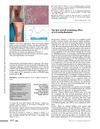
November 2011 in “European Journal of Dermatology” 4-O-methylhonokiol from Magnolia officinalis significantly promotes hair growth.
61 citations
,
February 1997 in “Differentiation” Hair differentiation starts earlier than thought, involving multiple type-II keratins.
 1 citations
,
January 2020 in “PubMed”
1 citations
,
January 2020 in “PubMed” Azelaic acid helps protect hair cells from UV damage and encourages hair growth by increasing certain gene expressions and proteins.
 June 2022 in “International journal of drug delivery technology”
 Nebivolol cream may be a promising hair loss treatment by improving blood flow and nourishing hair follicles.
13 citations
,
January 1993 in “Archives of dermatological research” Human hair follicles can grow and stay healthy for up to 8 days in a lab setting.

Hair RiseTM microemulsion effectively promotes hair growth and treats hair loss better than standard treatments.
1 citations
,
January 1993 in “Skin Pharmacology and Physiology” Hair growth drugs and epidermal growth factor do not change the calcium binding site gradient in hair follicles.
 87 citations
,
April 2018 in “Biochemical and Biophysical Research Communications”
87 citations
,
April 2018 in “Biochemical and Biophysical Research Communications” Exosomes from dermal papilla cells can help grow hair and might treat hair loss.
9 citations
,
July 1993 in “The journal of investigative dermatology/Journal of investigative dermatology” Sex hormones and antiandrogens can either stimulate or inhibit human hair follicle cell growth depending on the dose.
6 citations
,
March 2011 in “European Journal of Dermatology” Nestin-positive cells are important for hair follicle regeneration in alopecia areata.
43 citations
,
April 2010 in “Developmental Biology” Sebaceous glands can form new hair follicles when activated, but hair follicle bulges cannot.
86 citations
,
May 2002 in “Journal of Investigative Dermatology” A new keratin, hK6irs1, is found in all layers of the hair follicle's inner root sheath.
5 citations
,
March 2025 in “Pediatric Dermatology” Alopecia areata in children is caused by the immune system attacking hair follicles due to genetic factors.
 15 citations
,
October 2021 in “Frontiers in Pharmacology”
15 citations
,
October 2021 in “Frontiers in Pharmacology” Natural volatiles and essential oils have health benefits and can enhance the effects of some medicines, but more research is needed to understand how they work and their possible side effects.
 19 citations
,
April 2016 in “Experimental Dermatology”
19 citations
,
April 2016 in “Experimental Dermatology” Melanoblasts migrate to the skin using various pathways, and understanding this process could help with skin disease research.
 February 2010 in “Journal of The American Academy of Dermatology”
 Mimicking growth factors in a topical solution can prolong hair growth phase and reduce hair loss without side effects.
64 citations
,
March 2004 in “The journal of investigative dermatology/Journal of investigative dermatology” GPRC5D is linked to the formation of hair, nails, and certain tongue areas.
1 citations
,
January 2017 The document outlines criteria to identify and differentiate neoplasms based on follicular characteristics.
 November 2021 in “International Journal of Immunology and Microbiology”
 Thyroid hormone imbalances can cause hair loss in alopecia patients.
 33 citations
,
February 1999 in “The journal of investigative dermatology/Journal of investigative dermatology”
33 citations
,
February 1999 in “The journal of investigative dermatology/Journal of investigative dermatology” IGF-1 increases whisker growth in transgenic mice.
9 citations
,
September 2013 in “Journal of histochemistry and cytochemistry/The journal of histochemistry and cytochemistry” Matriptase is highly active in hair follicles and sebaceous glands, especially during hair growth phases.
 31 citations
,
April 2019 in “Cell reports”
31 citations
,
April 2019 in “Cell reports” Patient-derived melanocytes can potentially treat vitiligo by restoring skin pigmentation.