 62 citations
,
April 2009 in “British Journal of Dermatology”
62 citations
,
April 2009 in “British Journal of Dermatology” Epidermal stem cells could lead to new treatments for skin and hair disorders.
 40 citations
,
January 2016 in “Elsevier eBooks”
40 citations
,
January 2016 in “Elsevier eBooks” The skin is the largest organ, protecting the body, regulating temperature, and producing hormones.

Bio-nanovesicles could improve hair and skin regeneration by delivering important molecules to repair and heal.
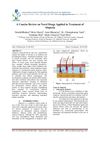
New therapies like JAK inhibitors, PRP, and stem cell treatments show promise for better alopecia management.
 January 2007 in “Elsevier eBooks”
 Alopecia areata is a reversible, autoimmune-related hair loss that can have significant emotional impact and uncertain treatment effectiveness.
 56 citations
,
January 2021 in “Clinical and Experimental Medicine”
56 citations
,
January 2021 in “Clinical and Experimental Medicine” The document concludes that while there are various treatments for Alopecia Areata, there is no cure, and individualized treatment plans are essential due to varying effectiveness.
 7 citations
,
May 2005 in “Experimental Dermatology”
7 citations
,
May 2005 in “Experimental Dermatology” Two mouse mutations cause similar hair loss despite different skin changes.
15 citations
,
January 2022 in “Immune Network/Immune network” New targeted immunotherapies are improving treatment for inflammatory skin diseases.
28 citations
,
April 2024 in “Immunity” CD80 on skin stem cells helps expand Treg cells to aid wound healing.
 3 citations
,
October 2023 in “Military Medical Research/Military medical research”
3 citations
,
October 2023 in “Military Medical Research/Military medical research” Regulatory T cells help heal skin and grow hair, and their absence can lead to healing issues and hair loss.
January 2025 in “International Journal of Pharma Medicine and Biological Sciences” DP cells interact with immune cells, possibly causing hair loss in Alopecia Areata.
42 citations
,
December 2011 in “The journal of immunology/The Journal of immunology” RANKL causes lymph nodes to grow by making certain cells multiply.
 8 citations
,
July 2022 in “Biomedicines”
8 citations
,
July 2022 in “Biomedicines” Autophagy helps keep skin healthy and may improve treatments for skin diseases.
 April 2025 in “BMC Immunology”
 Targeting SIRT1 with antisense oligonucleotides could be a promising treatment for hair loss.
 2 citations
,
January 2017 in “Clinical and medical investigations”
2 citations
,
January 2017 in “Clinical and medical investigations” Herbal lotions are effective for severe hair loss, with a 64.8% success rate, but relapse is common and long-term management requires allergen control and possible corticosteroid use.
21 citations
,
April 2025 in “MedComm” Alopecia areata causes unpredictable hair loss, and more research is needed to fully understand and treat it effectively.
December 2025 in “Cosmetics” New treatments for alopecia show promise in restoring hair growth by targeting immune and hormonal factors.
3 citations
,
June 2024 in “International Journal of Molecular Sciences” Prolactin affects skin health and may lead to new treatments for skin and hair issues.
1 citations
,
January 2018 in “Skin appendage disorders” The complement system might be involved in the development of alopecia areata and could lead to new treatments.
2 citations
,
January 2010 in “Case Reports in Medicine” Relapsing polychondritis might be linked to alopecia areata due to immune system factors.
 44 citations
,
September 2019 in “The EMBO Journal”
44 citations
,
September 2019 in “The EMBO Journal” Lymphatic vessels are essential for hair follicle growth and skin regeneration.
 175 citations
,
December 2014 in “PLoS Biology”
175 citations
,
December 2014 in “PLoS Biology” Macrophages help activate hair follicle stem cells, affecting hair growth and skin repair.
 42 citations
,
March 2008 in “Molecular and Cellular Endocrinology”
42 citations
,
March 2008 in “Molecular and Cellular Endocrinology” Hormones and neuroendocrine factors control hair growth and color, and more research could lead to new hair treatment options.
 1 citations
,
September 2023 in “eLife”
1 citations
,
September 2023 in “eLife” TLR2 is important for hair growth and can be targeted to treat hair loss.
 22 citations
,
March 2017 in “Scientific reports”
22 citations
,
March 2017 in “Scientific reports” Double-stranded RNA causes inflammation in hair follicle cells, which may help understand and treat alopecia areata.
 316 citations
,
June 2004 in “The journal of investigative dermatology/Journal of investigative dermatology”
316 citations
,
June 2004 in “The journal of investigative dermatology/Journal of investigative dermatology” Microspheres about 1.5 micrometers in size can best penetrate hair follicles, potentially reaching important stem cells.
 98 citations
,
July 2014 in “Trends in Molecular Medicine”
98 citations
,
July 2014 in “Trends in Molecular Medicine” Hair follicles are hormone-sensitive and involved in growth and other functions, with potential for new treatments, but more research is needed.
 2 citations
,
January 2020 in “American Journal of Clinical Research and Reviews”
2 citations
,
January 2020 in “American Journal of Clinical Research and Reviews” All skin diseases might start in hair follicles.
 April 2017 in “Journal of Investigative Dermatology”
 Dermal Wnt/β-catenin signaling is important for the proper size and development of hair follicles.
 September 2004 in “Experimental dermatology”
 Melatonin directly affects mouse hair follicles and may influence hair growth.