 April 2019 in “Journal of Investigative Dermatology”
 Caffeine can protect scalp hair follicles from damage caused by UV radiation.
 April 2019 in “Radiotherapy and oncology”
 HPV infection is linked to better survival in advanced anal cancer, higher radiation doses improve survival, especially in HPV-negative patients, and prostaglandin E₂ pretreatment can protect mouse hair follicles from radiation damage.
 191 citations
,
September 2011 in “Cell stem cell”
191 citations
,
September 2011 in “Cell stem cell” Hair follicle stem cells use specific chromatin changes to control their growth and differentiation.
 3 citations
,
January 2021 in “Plastic and Aesthetic Research”
3 citations
,
January 2021 in “Plastic and Aesthetic Research” Hair loss reduces hair thickness and coverage, but drug treatments mainly revive dormant hairs rather than reverse thinning; patients often undervalue their hair loss severity.
13 citations
,
November 2015 in “Gene” Let-7b helps alpaca hair grow by reducing TGFβR I protein.
 April 2016 in “Journal of Investigative Dermatology”
 Autophagy, a cell recycling process, is crucial for prolonged hair growth and could be a potential target for treating hair growth disorders.
 19 citations
,
April 2015 in “International Journal of Molecular Sciences”
19 citations
,
April 2015 in “International Journal of Molecular Sciences” The research identified genes and pathways important for sheep wool growth and shedding.
 13 citations
,
January 2021 in “Histochemistry and Cell Biology”
13 citations
,
January 2021 in “Histochemistry and Cell Biology” Cholesterol transport in hair follicles decreases from growth to regression phase.

TGF-β1 and FGF-18 are key in hair loss, and Minoxidil helps hair growth.
 13 citations
,
September 2021 in “Current Issues in Molecular Biology”
13 citations
,
September 2021 in “Current Issues in Molecular Biology” Dexpanthenol helps human hair follicle cells grow by preventing aging and death, and by supporting growth signals.
 174 citations
,
April 2005 in “The American journal of pathology (Print)”
174 citations
,
April 2005 in “The American journal of pathology (Print)” Capsaicin, found in chili peppers, can slow down hair growth by affecting skin cells and hair follicles.
 127 citations
,
December 2005 in “Experimental Dermatology”
127 citations
,
December 2005 in “Experimental Dermatology” Stress can stop hair growth in mice, and treatments can reverse this effect.
 57 citations
,
June 2003 in “American Journal of Physiology-cell Physiology”
57 citations
,
June 2003 in “American Journal of Physiology-cell Physiology” Cyclosporin A helps mice grow hair by blocking a specific protein activity in skin cells.
 28 citations
,
November 2013 in “The journal of investigative dermatology/Journal of investigative dermatology”
28 citations
,
November 2013 in “The journal of investigative dermatology/Journal of investigative dermatology” GMG-43AC may help reduce unwanted hair growth and treat certain hair loss conditions.
 24 citations
,
December 2014 in “International Journal of Molecular Medicine”
24 citations
,
December 2014 in “International Journal of Molecular Medicine” Eclipta alba extract helps increase hair growth and decrease hair loss-related protein in mice.
 15 citations
,
July 2016 in “Biochemical Journal”
15 citations
,
July 2016 in “Biochemical Journal” Wnt proteins from certain skin cells are crucial for normal hair growth and renewal.
6 citations
,
August 2008 in “Journal of Forensic Sciences” Recognizing specific tissue types on telogen hair roots can improve DNA typing.
 4 citations
,
October 2018 in “Experimental Dermatology”
4 citations
,
October 2018 in “Experimental Dermatology” Dermoscopy shows that diffuse alopecia areata progresses through specific hair growth stages.
 2 citations
,
January 2022 in “International Journal of Medical Sciences”
2 citations
,
January 2022 in “International Journal of Medical Sciences” Kartogenin may help treat hair loss by promoting hair growth and extending the hair growth phase.
December 2025 in “Preprints.org” Aging dermal papilla cells can be reprogrammed for potential hair growth and skin repair.
 April 2016 in “Journal of Investigative Dermatology”
 FOL-005, a new substance, was found to reduce hair growth without toxicity when injected into skin, suggesting it could be used to treat excessive hair growth.
 January 2022 in “Clinical Cases in Dermatology”
 Androgenetic alopecia, a common hair loss condition, can be treated with topical minoxidil, oral finasteride, or oral spironolactone, and new treatments like platelet-rich plasma, low-level laser therapy, and janus-kinase inhibitors are being explored.
 66 citations
,
May 2012 in “Scientific Reports”
66 citations
,
May 2012 in “Scientific Reports” Scientists successfully created and transplanted bioengineered hair follicles that function like natural ones, suggesting a new treatment for hair loss.
 2 citations
,
June 2001 in “American Journal of Pathology”
2 citations
,
June 2001 in “American Journal of Pathology” The document concludes that understanding how hair follicles naturally die and regenerate is important for insights into organ development and could impact health and disease treatment.
MicroRNA miR-22 causes hair loss by making hair follicles regress early.
 April 2016 in “Journal of Investigative Dermatology”
 Sonic hedgehog signaling is needed for the development of touch-receptor cells in the skin, and the loss of Polycomb repressive complex 2 can lead to more of these cells.
 31 citations
,
April 2010 in “British journal of dermatology/British journal of dermatology, Supplement”
31 citations
,
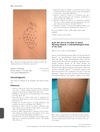
April 2010 in “British journal of dermatology/British journal of dermatology, Supplement” Frontal fibrosing alopecia can cause sudden hair loss on limbs, similar to scalp hair loss.
 375 citations
,
February 2006 in “Journal of Cell Science”
375 citations
,
February 2006 in “Journal of Cell Science” The document concludes that the hair cycle is a complex process involving growth, regression, and rest phases, regulated by various molecular signals.
 103 citations
,
January 2006 in “Journal of Cell Science”
103 citations
,
January 2006 in “Journal of Cell Science” The document concludes that the hair cycle is a complex process involving growth, regression, and rest phases, regulated by various molecular signals.
 25 citations
,
April 2015 in “Journal of Investigative Dermatology”
25 citations
,
April 2015 in “Journal of Investigative Dermatology” GasderminA3 is important for normal hair cycle transitions by controlling Wnt signaling.