November 2025 in “Cosmetics” Centella asiatica with growth factors improves hair and scalp health.
 July 2024 in “Applied Sciences”
 Bimatoprost is more effective than sweet almond oil for enhancing eyebrow growth.
April 2024 in “American Journal of Biological Anthropology” Hair traits vary widely and are not reliable indicators of ancestry.
January 2023 in “Faculty of 1000 Research Ltd” Androgen loss may speed up hair greying.
 September 2022 in “F1000Research”
 Removing hair from mice without reproductive glands led to grey hair, possibly helping to understand greying in aging.
 July 2012 in “Hair transplant forum international”
 Lifestyle choices like stress, smoking, heavy drinking, sun exposure, and chemical hair treatments might speed up hair loss in people with androgenetic alopecia.
296 citations
,
October 2018 in “General and Comparative Endocrinology” Hair cortisol is a reliable way to measure long-term stress in animals.
44 citations
,
November 2018 in “Journal of applied ecology” Hair analysis for stress and reproductive hormones in wildlife needs more research for accuracy across species.
19 citations
,
June 2020 in “General and comparative endocrinology” Hair cortisol is a reliable stress indicator in cattle but may not be valid for pigs.
9 citations
,
June 2019 in “JAAD case reports” Laser hair removal can help treat acne keloidalis nuchae, but results vary and a standard scoring system is needed.
2 citations
,
August 2024 in “Indian Dermatology Online Journal” Premature graying of hair is mainly caused by genetics, stress, and environment, with potential treatments being explored.
1 citations
,
August 2024 in “Journal of Morphology” Mammary glands evolved from hair organs in Monodelphis domestica.
Hair can naturally regain color after greying, and this change may be linked to stress levels.
Hair can naturally regain color, and stress might influence greying and its reversal.
9 citations
,
September 2022 in “Pharmaceutics” Porcine placenta extract may improve hair growth and skin health.
8 citations
,
June 2001 in “Journal of Biological Chemistry” A truncated protein linked to breast cancer may change cell adhesion.
 June 2025 in “Pharmacon Jurnal Farmasi Indonesia”
 Mangkokan leaves may help hair growth and health.
 July 2024 in “Clinical Cosmetic and Investigational Dermatology”
 Non-drug therapies show promise for hair regrowth but need more research.
 May 2024 in “Journal of cosmetic dermatology”
 Heat-treated Limosilactobacillus fermentum with menthol, salicylic acid, and panthenol promotes hair growth and balances scalp microbiome in people with androgenetic alopecia.
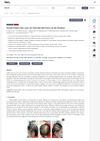
Different genes cause Female Pattern Hair Loss compared to male hair loss, and treatments vary, but more research is needed to understand it fully.
 May 2021 in “Experimental Cell Research”
 FOXC1 boosts SFRP1 in hair loss, suggesting new treatments.
13 citations
,
July 1994 in “PubMed” Keratins K6 and K16 are expressed more freely in regenerating mouse skin than K1 and K10.
 93 citations
,
February 2015 in “Journal of Investigative Dermatology”
93 citations
,
February 2015 in “Journal of Investigative Dermatology” Oxidative stress affects hair loss in men with androgenetic alopecia.
 2 citations
,
July 2013 in “Veterinary dermatology”
2 citations
,
July 2013 in “Veterinary dermatology” Dog skin with hair loss, when transplanted to mice, regrew hair, suggesting the hair loss cause is likely body-wide, not skin-specific.
Certain genes may influence hair loss differently in men and women.
 July 2023 in “Indian Journal of Animal Health”
 FGF-5 promotes Cashmere goat hair growth by increasing keratin genes and reducing certain LncRNA and target genes.
November 2025 in “Cosmetics” POLEVAN® improves hair shine, moisturizes the scalp, and maintains foam quality in shampoos.
10 citations
,
September 2019 in “Frontiers in Veterinary Science” Older steers have higher hair cortisol levels than younger steers.
 2 citations
,
December 2019 in “ABCS Health Sciences”
2 citations
,
December 2019 in “ABCS Health Sciences” Topical Minoxidil effectively and safely regrows hair in cancer patients.
October 2025 in “Biomedicines” Terminalia chebula fruit extract helps hair growth by reducing DHT and boosting hair cell activity.