 12 citations
,
April 2020 in “British Journal of Dermatology”
12 citations
,
April 2020 in “British Journal of Dermatology” Caffeine may help reduce stress-induced hair loss.
1 citations
,
January 2012 in “Jounal of The Korean Society of cosmetology” Tremella fuciformis Berk helps protect hair from stress-related damage.
November 2024 in “Journal of Investigative Dermatology” Adrenomedullin 2 stops cell growth and causes cell death in human hair follicles.
 December 2012 in “Journal of dermatological science”
 Hair follicles help attract immune cells to minor skin injuries.
 125 citations
,
September 2001 in “The FASEB Journal”
125 citations
,
September 2001 in “The FASEB Journal” Stress can cause hair loss by negatively affecting hair follicles and this effect might be reversed with specific treatments.
5 citations
,
April 2024 in “Animals” Younger cashmere goats produce more and better-quality fiber due to higher active hair follicles and antioxidant capacity.

Hypoxic preconditioning helps human hair follicle stem cells survive oxidative stress.

Younger goats produce more cashmere and have healthier hair follicles due to better antioxidant capacity.
 July 2022 in “Journal of Investigative Dermatology”
 Substance P may contribute to hair loss by increasing oxidative stress and mitochondrial activity in hair follicles.
 April 2023 in “The journal of investigative dermatology/Journal of investigative dermatology”
 Blocking a key energy pathway in human hair follicles can trigger stress responses that stop cell growth.

Blocking the Mitochondrial Pyruvate Carrier causes stress in hair follicles, which can be reduced by an ISR inhibitor.
1 citations
,
April 2016 in “Journal of Investigative Dermatology” Targeting specific T cells may help treat alopecia areata.
June 2025 in “Phytomedicine” The formula may improve hair growth and health by boosting blood flow and reducing cell stress.
 August 2024 in “Biomolecules & Therapeutics”
 A new compound, HTPI, promotes hair growth by protecting cells from damage and regulating energy use.
22 citations
,
November 2016 in “International journal of molecular sciences” Vitamin D receptor is important for regulating hair growth and wound healing in mice.
 7 citations
,
January 2020 in “Nature”
7 citations
,
January 2020 in “Nature” Stress turns hair white by depleting color-giving cells in hair follicles through a specific neurotransmitter related to the body's stress response.
2 citations
,
January 2023 in “Frontiers in Oncology” Mild oxidative stress can prevent hair loss from chemotherapy.

Vegan exosome-like vesicles from microalgae improve skin and hair health, reducing wrinkles and enhancing elasticity.
May 2023 in “ACS Biomaterials Science & Engineering” The scaffold helps wounds heal without scars and promotes hair growth.
April 2014 in “The FASEB journal” The extract helps prevent hair loss and promotes hair growth in stressed mice.
 109 citations
,
October 2007 in “Journal of pineal research”
109 citations
,
October 2007 in “Journal of pineal research” Melatonin helps regulate hair growth and protects the hair follicle from stress.
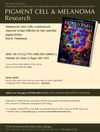 240 citations
,
April 2011 in “Pigment Cell & Melanoma Research”
240 citations
,
April 2011 in “Pigment Cell & Melanoma Research” Melanocyte stem cells in hair follicles are key for hair color and could help treat greying and pigment disorders.
 185 citations
,
August 2005 in “Autoimmunity Reviews”
185 citations
,
August 2005 in “Autoimmunity Reviews” Alopecia areata is an autoimmune condition causing hair loss due to the immune system attacking hair follicles, often influenced by genetics and stress.
 127 citations
,
December 2005 in “Experimental Dermatology”
127 citations
,
December 2005 in “Experimental Dermatology” Stress can stop hair growth in mice, and treatments can reverse this effect.
 126 citations
,
January 2009 in “International Journal of Trichology”
126 citations
,
January 2009 in “International Journal of Trichology” Oxidative stress contributes to hair graying and loss as we age.
95 citations
,
August 2013 in “Journal of Investigative Dermatology” HPT axis hormones boost mitochondrial function and growth in hair follicles, potentially aiding hair health.
 77 citations
,
March 2021 in “Nature”
77 citations
,
March 2021 in “Nature” Stress hormone corticosterone blocks a growth factor to slow down hair stem cell activity and hair growth.
 75 citations
,
January 2009 in “International journal of trichology”
75 citations
,
January 2009 in “International journal of trichology” Hair grays due to oxidative stress and fewer functioning melanocytes.
69 citations
,
August 2016 in “PubMed” High stress can disrupt hair growth, but certain supplements might help.