5 citations
,
January 2016 in “Open Journal of Regenerative Medicine” Myoblast transplantation shows promise for treating various muscle and heart conditions.
 56 citations
,
March 2010 in “Journal of Dermatology”
56 citations
,
March 2010 in “Journal of Dermatology” Most cases of Temporal Triangular Alopecia are found in early childhood and may be related to genetic conditions.
 16 citations
,
April 2007 in “Journal of Medical Primatology”
16 citations
,
April 2007 in “Journal of Medical Primatology” The monkey's hair loss was due to an autoimmune disease, not genetics.
 10 citations
,
October 2017 in “Archivos Argentinos De Pediatria”
10 citations
,
October 2017 in “Archivos Argentinos De Pediatria” Most hospitalized children with skin issues were boys, with allergic skin diseases like atopic dermatitis being most common, and treatments were usually topical.
7 citations
,
December 2024 in “Journal of the American Academy of Dermatology” Genetics, hormones, and microbiome changes contribute to hidradenitis suppurativa.
 May 1991 in “Current problems in dermatology”
 Skin issues can indicate immune system problems.
November 2024 in “NeoReviews” An extremely low-birthweight infant had a rare genetic skin disease and died despite treatment.
 249 citations
,
November 2003 in “Clinical endocrinology”
249 citations
,
November 2003 in “Clinical endocrinology” Insulin resistance is a key factor in polycystic ovary syndrome, but genetics may also contribute.
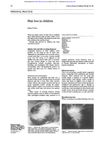 6 citations
,
May 1993 in “Archives of Disease in Childhood”
6 citations
,
May 1993 in “Archives of Disease in Childhood” Children's hair loss can be caused by many factors, including autoimmune diseases, emotional stress, genetics, and infections, with treatment and prognosis varying.
 1 citations
,
March 2022 in “IntechOpen eBooks”
1 citations
,
March 2022 in “IntechOpen eBooks” Collagen is crucial for health and treating certain diseases, and supplements can improve skin, nails, and hair conditions.
 89 citations
,
October 1996 in “Dermatologic Clinics”
89 citations
,
October 1996 in “Dermatologic Clinics” Alopecia areata is likely caused by a combination of genetic factors and immune system dysfunction, and may represent different diseases with various causes.
 28 citations
,
January 2011 in “Hearing Research”
28 citations
,
January 2011 in “Hearing Research” Gene therapy, especially using atoh1, shows promise for creating functional sensory hair cells in the inner ear, but dosing and side effects need to be managed for clinical application.
 24 citations
,
June 2018 in “Reviews in endocrine and metabolic disorders”
24 citations
,
June 2018 in “Reviews in endocrine and metabolic disorders” Thyroid diseases may contribute to autoimmune skin diseases, and more research is needed on their relationship.
20 citations
,
March 2014 in “Molecular Endocrinology” NFIB and STAT5 work together to control specific genetic programs in cells.
 6 citations
,
August 2014 in “Toxicologic pathology”
6 citations
,
August 2014 in “Toxicologic pathology” Blocking DGAT1 reduces oil gland size in mice and dogs, but only mice experience hair loss.
2 citations
,
May 2023 in “Veterinary Pathology” Understanding genetic variations in mice is crucial for studying skin, hair, or nail abnormalities.
1 citations
,
January 2022 in “Open Journal of Endocrine and Metabolic Diseases” The woman was misdiagnosed with Graves Disease, leading to incorrect treatment, while she actually had Pituitary Resistance to Thyroid Hormone.
 1 citations
,
November 2014
1 citations
,
November 2014 The document explains hair and nail biology, common hair loss conditions and treatments, oral and genital skin diseases, and the risks and treatments associated with squamous cell carcinoma.
 June 2025 in “Journal of Neonatal Surgery”
 Managing PCOD involves lifestyle changes like exercise, healthy eating, and avoiding smoking and alcohol.
 January 2025 in “i-manager s Journal on Life Sciences”
 PCOD causes hormonal imbalances and infertility, requiring early diagnosis and treatment.
 October 2024 in “Our Dermatology Online”
 Mitochondrial dysfunction links metabolic syndrome and inflammatory skin diseases, suggesting targeted therapies and lifestyle changes.

A 32-year-old man with early graying hair shows a unique pattern, suggesting more research is needed on why hair grays early.
 November 2023 in “Aktualʹnì problemi sučasnoï medicini”
 The guidelines suggest using various treatments, including antidepressants and steroids, for alopecia areata and discuss the condition's genetic and immune aspects.

Caffeine in Alpecin shampoo may help prolong hair root activity and reduce hair loss.
32 citations
,
January 1971 in “Annals of Internal Medicine” People with anhidrotic ectodermal dysplasia may get severe bronchitis if exposed to dust.
21 citations
,
December 1991 in “Annals of the New York Academy of Sciences” Most mouse hair keratin genes are on chromosomes 11 and 15.
12 citations
,
October 1996 in “Dermatologic clinics” Advances in genetics may lead to targeted treatments for hair disorders.
 April 2022 in “Indexia revista médico - científica”
 Alopecia causes sudden hair loss, possibly due to genetic, environmental, or immune factors.
September 2017 in “The journal of investigative dermatology/Journal of investigative dermatology” Male-pattern baldness has a weak link to heart disease and some related health conditions.
 44 citations
,
January 2005 in “Dermatology”
44 citations
,
January 2005 in “Dermatology” Hair problems can be caused by genetics or the environment, and treatment should focus on the cause and reducing hair damage.