The document discusses how traditional Chinese medicine extracts may affect hair growth in animals but lacks detailed results.
 17 citations
,
April 2021 in “Molecules/Molecules online/Molecules annual”
17 citations
,
April 2021 in “Molecules/Molecules online/Molecules annual” Linoleic acid from Malva verticillata seeds may help treat hair loss by promoting hair cell growth and blocking baldness signals.
 2 citations
,
January 2023 in “Pharmaceuticals”
2 citations
,
January 2023 in “Pharmaceuticals” Natural products and phytochemicals may help with hair regrowth, but more research is needed.
 11 citations
,
December 2011 in “Revista Brasileira de Farmacognosia”
11 citations
,
December 2011 in “Revista Brasileira de Farmacognosia” The seeds of Abrus precatorius, when processed, can prevent hair loss more effectively than common treatments.
 June 1997 in “Australasian Journal of Dermatology”
 Researchers found new hair and nail genes, how hair reacts to UV, differences in white and pigmented hair growth, nerve changes in alopecia, treatments for baldness and alopecia, a toenail condition linked to a genetic disorder, and that nail fungus is more common in people with psoriasis.
 March 2023 in “International Journal of Advanced Research in Science, Communication and Technology”
 Various medicinal plants like Polygonum multiflorum, Red ginseng extract, and Zizyphus jujuba can potentially treat hair loss, offering benefits like low cost and multiple ways of working. Other effective natural substances include Pygeum africanum, Seneroa, Urtica dioica, and more.
 2 citations
,
August 2019 in “BMC Complementary and Alternative Medicine”
2 citations
,
August 2019 in “BMC Complementary and Alternative Medicine” Asiasari radix extract may be a potential treatment for melanoma because it selectively triggers cell death in melanoma cells by affecting p53 regulation.
 15 citations
,
June 2018 in “Journal of Chromatographic Science”
15 citations
,
June 2018 in “Journal of Chromatographic Science” Researchers developed a method to measure plant compounds in rat blood and found they are quickly absorbed and eliminated within 36 hours.
 October 2025 in “Records of Natural Products”
 Kaempferol promotes hair growth and could be a natural treatment for hair loss.
 1 citations
,
August 2020 in “Food Research”
1 citations
,
August 2020 in “Food Research” Plant extracts like Avicennia marina, Boehmeria nipononivea, and Camellia sinensis could potentially treat hair loss with fewer side effects than synthetic drugs.
 April 2024 in “bioRxiv (Cold Spring Harbor Laboratory)”
 A gene network led by RSL4 is crucial for early root hair growth in response to cold in Arabidopsis thaliana.
 July 2023 in “bioRxiv (Cold Spring Harbor Laboratory)”
 Chitosan slows root hair growth and causes a buildup of callose at low concentrations, but at high concentrations, it only inhibits growth without callose buildup.
 2 citations
,
January 2020 in “BioMed Research International”
2 citations
,
January 2020 in “BioMed Research International” Phaeodactylum tricornutum extract helps hair follicle cells grow by activating the ERK1/2 pathway.
70 citations
,
May 2023 in “Molecules” Ginkgo biloba has health benefits but also contains toxic compounds, driving interest in its use in medicine and food.
1 citations
,
January 2020 in “Journal of Biosciences and Medicines” Red and black pop bean extracts protect against UV radiation and promote hair growth.
 7 citations
,
January 2017 in “Clinical and medical investigations”
7 citations
,
January 2017 in “Clinical and medical investigations” Suriname uses many plants for beauty, with potential for a beauty industry, but more evidence is needed for product effectiveness.
 May 2023 in “Journal of Ethnopharmacology”
 The wild garlic plant, Allium macrostemon Bunge, can promote hair growth and could potentially be used to treat hair loss.
July 2025 in “Carbohydrate Polymers” The green alga Parachlorella sp. has potential for use in cosmetics and health products due to its antioxidant, anti-hypertensive, and hair growth properties.
14 citations
,
June 2021 in “Journal of dermatological science” Argan press cake extract might help grow hair and protect hair cells from damage and inflammation.
January 2020 in “Indian Journal of Pharmaceutical Sciences” Natural products show promise for new hair loss treatments.
 June 2023 in “Antioxidants”
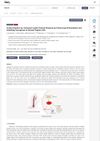
 Lipids from Schizochytrium sp. help prevent hair loss by protecting hair cells from damage and promoting hair growth.
August 2019 in “Key engineering materials” A microemulsion with Carthamus tinctorius extract effectively inhibits 5α-reductase and improves skin and hair follicle delivery.
Using Arabidopsis thaliana to produce KGF-2 is a promising, cost-effective method for hair growth and wound healing products.
3 citations
,
January 2021 in “FEBS open bio” Camellia japonica extract may improve scalp health and promote hair growth.
 63 citations
,
August 2008 in “Journal of Cosmetic Dermatology”
63 citations
,
August 2008 in “Journal of Cosmetic Dermatology” Cuscuta reflexa extract may help treat hair loss caused by hormones.
3 citations
,
December 2021 in “Frontiers in Pharmacology” Ficus benghalensis leaf extracts can effectively promote hair growth and inhibit hair loss.
 2 citations
,
January 2023 in “BioMed Research International”
2 citations
,
January 2023 in “BioMed Research International” Beetroot extract nanogel may help treat hair loss caused by testosterone.
 3 citations
,
August 2021 in “The Open Dermatology Journal”
3 citations
,
August 2021 in “The Open Dermatology Journal” The herbal hair serum improves hair quality and growth, and is a good alternative to traditional cosmetics because it doesn't contain harmful chemicals like parabens and sulphates.
 November 2025 in “Journal of Neonatal Surgery”
 Herbal hair oil formulations A4 and A5 effectively promote hair growth and stability.
January 2023 in “Iranian Journal of Pharmaceutical Research” Stauntonia hexaphylla extract can help treat hair loss by blocking certain hormones.