 174 citations
,
November 2016 in “Cell stem cell”
174 citations
,
November 2016 in “Cell stem cell” Different types of skin cells have unique genetic markers that affect how likely they are to spread cancer.
 6 citations
,
July 2022 in “World journal of stem cells”
6 citations
,
July 2022 in “World journal of stem cells” Using extracellular vesicles from stem cells can help hair grow by affecting scalp cells and hair follicles.
 2 citations
,
September 2020 in “Schweizer Archiv für Tierheilkunde”
2 citations
,
September 2020 in “Schweizer Archiv für Tierheilkunde” Swiss Holstein cattle with curly, short hair carry genes from the Simmental breed.
January 2020 in “Columbia Academic Commons (Columbia University)” Certain genetic changes in the STX17 and KRT82 genes contribute to hair loss in alopecia areata.
13 citations
,
May 2001 in “Current problems in dermatology” Keratin proteins in epithelial cells are dynamic and crucial for cell processes and disease understanding.
 4 citations
,
January 2015 in “Journal of microbial & biochemical technology”
4 citations
,
January 2015 in “Journal of microbial & biochemical technology” Biotin helps regulate proteins in the blood, which may explain its role in hair growth.
 253 citations
,
March 1994 in “Developmental dynamics”
253 citations
,
March 1994 in “Developmental dynamics” Apoptosis is essential for human skin development and forming a functional epidermis.
 1 citations
,
March 2023 in “Tidsskrift for Den norske lægeforening”
1 citations
,
March 2023 in “Tidsskrift for Den norske lægeforening” Keratosis pilaris is a common skin condition causing a bumpy texture, sometimes linked to other diseases, with various treatments available.
 2 citations
,
March 2021 in “bioRxiv (Cold Spring Harbor Laboratory)”
2 citations
,
March 2021 in “bioRxiv (Cold Spring Harbor Laboratory)” Hairless mammals have genetic changes in both their protein-coding and regulatory sequences related to hair.
65 citations
,
March 2017 in “Experimental Dermatology” Curly hair is influenced by specific genetic variations.
 26 citations
,
December 2011 in “Journal of Investigative Dermatology”
26 citations
,
December 2011 in “Journal of Investigative Dermatology” New gene identification techniques have improved the understanding and classification of inherited hair disorders.
 9 citations
,
May 2012 in “PLOS ONE”
9 citations
,
May 2012 in “PLOS ONE” ILK is essential for skin development, pigmentation, and healing.
 December 2020 in “bioRxiv (Cold Spring Harbor Laboratory)”
 Stress can cause a type of hair loss in mice lacking the CCHCR1 gene.
47 citations
,
January 2024 in “iScience” Stress keratins are expressed less in diseased skin and are linked to differentiation, inflammation, and immunity.
 19 citations
,
March 2018 in “Journal of Investigative Dermatology”
19 citations
,
March 2018 in “Journal of Investigative Dermatology” The gene Msx2 is crucial for hair follicle regeneration during wound healing.
 June 2019 in “Pediatric Dermatology”
 Alopecia in patients with epidermolysis bullosa varies in severity and is often caused by skin blistering or trauma.
 3 citations
,
May 2022 in “Oncogene”
3 citations
,
May 2022 in “Oncogene” Vav2 and Vav3 proteins help control skin stem cell numbers and activity in both healthy and cancerous cells.
 January 2023 in “Revista Paulista de Pediatria”
 A Brazilian male with IFAP syndrome has a unique genetic variant causing his condition.
 107 citations
,
August 2012 in “Seminars in Cell & Developmental Biology”
107 citations
,
August 2012 in “Seminars in Cell & Developmental Biology” The document concludes that understanding the sebaceous gland's development and function is key to addressing related skin diseases and aging effects.
 12 citations
,
January 2018 in “Biomaterials Science”
12 citations
,
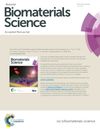
January 2018 in “Biomaterials Science” Softer hydrogel surfaces help maintain hair growth-related functions in skin cells.
 7 citations
,
February 2019 in “International Journal of Dermatology”
7 citations
,
February 2019 in “International Journal of Dermatology” Gray hair is caused by reduced melanin production or transfer issues, linked to aging and possibly health conditions, with treatments focusing on color camouflage.
 December 2022 in “Curēus”
 Genetic testing confirmed a young girl has Atrichia with Papular Lesions due to mutations in the hairless gene.
January 2022 in “Mammalian Genome” The wavy coat in NCT mice is caused by multiple genes, including a mutation in the Prss53 gene.
62 citations
,
October 2018 in “Journal of pathology” Keratin 17 is linked to various diseases, including cancer and skin conditions, and may be a target for diagnosis and treatment.
 2 citations
,
February 2014 in “Hair therapy & transplantation”
2 citations
,
February 2014 in “Hair therapy & transplantation” Alopecia Areata is an autoimmune condition causing hair loss, influenced by genetics, environment, and possibly improved by anti-MIF therapy, with many patients experiencing regrowth within a year.
 March 2023 in “International journal of integrated medical research”
 Keratosis pilaris is a common skin condition where hair follicles get clogged with keratin, mostly on the arms and thighs.
 July 2024 in “Journal of Investigative Dermatology”
 Losing both ERBB2 and ERBB3 receptors in mice causes significant skin problems and inflammation.
5 citations
,
March 2017 in “Gene” CAP1 decreases the expression of a hair-related protein in young Tan sheep's skin.
13 citations
,
July 2016 in “Indian Journal of Dermatology” DPR can show different hair characteristics, as seen in two brothers with normal hair.
1 citations
,
August 2020 The Shaven mutation in mice affects hair growth and causes a greasy coat due to abnormal lipid content.