 February 2026 in “Figshare”
 A new hydrogel treatment reduces inflammation and promotes hair growth in alopecia areata.
January 2026 in “Updates in clinical dermatology” Proper nutrition and alternative therapies can help manage hair loss.
 December 2025 in “Ethnologia Fennica”
 Hair loss significantly impacts women's identity and social interactions.
Traditional Chinese medicine for hair loss focuses on "tonifying and activating blood, nourishing the liver and kidney."
 July 2025 in “Journal of Case Reports and Scientific Images”
 Homeopathy can safely help regrow hair and improve well-being in alopecia areata.
 June 2025 in “Pediatric Annals”
 Early detection and treatment of hair loss in teens is crucial to prevent permanent loss and boost self-esteem.
Ritlecitinib is a new treatment for severe hair loss in people 12 and older.
 March 2025 in “Journal of Cutaneous Medicine and Surgery”
 Few dermatologists in Ontario accept OHIP referrals for hair loss, leading to long wait times and high fees.
 January 2025 in “Skin Appendage Disorders”
 Herbal remedies may help hair growth, but more research is needed.
 November 2024 in “Journal of Education Health and Sport”
 Microneedling, PRP therapy, and pharmacological treatments show promise for hair loss, but more research is needed.
 May 2024 in “Our Dermatology Online”
 Excessive hair loss can be an early sign of celiac disease.
 November 2023 in “Research journal of pharmacy and technology”
 Medicinal plants may effectively treat hair loss.
 November 2023 in “Cell Biology International”
 Tiny particles from umbilical cord stem cells may help hair grow back in a type of hair loss.
 July 2023 in “Journal of the European Academy of Dermatology and Venereology”
 Hair loss can indicate various health issues, including serious diseases, hormonal imbalances, and can significantly affect personal life and mental health.
 July 2023 in “Veterinary pathology”
 White-tailed deer can get a hair loss condition that might make them more vulnerable to environmental threats.
3D-ultrasound can non-invasively detect and predict alopecia areata phases and outcomes.
 April 2023 in “Journal of Investigative Dermatology”
 Some patients who had a severe drug reaction developed long-term hair loss.
 March 2023 in “Медицинский совет”
 COVID-19 may cause different types of hair loss, and the virus's effects on hair could help understand its impact on other body parts.

Some TikTok hair loss remedies like rosemary oil, onion juice, and garlic gel show promise, but more research is needed and they might delay proper treatment.
 December 2022 in “Journal of Education, Health and Sport”
 Covid-19 can cause different types of hair loss, which can affect people's mental and social well-being.
January 2022 in “Clinical Cases in Dermatology” An 11-year-old girl with severe hair loss was successfully treated with a new combination therapy.
 March 2021 in “CRC Press eBooks”
 Hair loss can cause and be caused by psychological issues.
 January 2021 in “International journal of dermatology, venereology and leprosy sciences”
 Most adult women experiencing hair loss are aged 21-40, with the most common type being female pattern hair loss. Trichoscopy is a useful tool for diagnosing different types of hair loss.
 July 2018 in “IP Indian journal of clinical and experimental dermatology”
 Hair loss in rural Indian children is often due to malnutrition, poor grooming, stress, and infections.
 December 2014 in “PubMed”
 A scalp biopsy can help confirm hair loss types when other methods don't provide a clear diagnosis.
 November 2014 in “Prescriber”
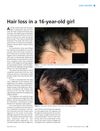
 The 16-year-old girl with hair loss was successfully treated for alopecia areata, leading to significant hair regrowth.

Hair loss can significantly affect mental health.
January 2013 in “Journal of Practical Dermatology” Hair loss, especially alopecia areata, is linked to poor sleep and emotional stress.
 January 2012 in “Postgraduate obstetrics & gynecology”
 Up to 50% of women may experience significant hair loss by age 50, with various causes and treatments available.

Early treatment is important for better hair regrowth in elderly women with hair loss.