 9 citations
,
January 1987 in “Journal of The American Academy of Dermatology”
9 citations
,
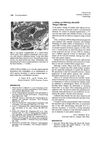
January 1987 in “Journal of The American Academy of Dermatology” A man lost a lot of scalp hair quickly after stopping minoxidil, but it grew back with mild male pattern baldness.
May 2025 in “Skin Appendage Disorders” Frontal fibrosing alopecia can be diagnosed by examining facial areas and treated with specific medications to stop its progression.
5 citations
,
January 2019 in “Revista Latino-americana De Enfermagem” Making platelet-rich plasma gel is cheap, safe, and easy when done by trained professionals.
 166 citations
,
April 2012 in “Journal of The American Academy of Dermatology”
166 citations
,
April 2012 in “Journal of The American Academy of Dermatology” Mostly postmenopausal Caucasian women get Frontal Fibrosing Alopecia, which often includes eyebrow loss and has limited treatment success.
1 citations
,
June 2025 in “Journal of Patient Experience” Alopecia areata greatly affects quality of life, with many experiencing mental health issues and lacking professional support.
 June 2024 in “British Journal of Dermatology”
 Misinformation about alopecia is common online and can harm patient choices.
38 citations
,
September 2004 in “Journal of Autoimmunity” Alopecia areata patients have more activated T cells in their blood, which may help in developing treatments.
 January 2018 in “Elsevier eBooks”
 The document concludes that alopecia has various forms, each with specific treatments, but no definitive cure for certain types like CCCA has been proven.
July 2024 in “Journal of Investigative Dermatology” Expanding regulatory T cells may help treat alopecia areata by reducing harmful immune cells.
August 2025 in “Australasian Journal of Dermatology” Experts created guidelines for who in Australia can get subsidized JAK inhibitor therapy for alopecia areata.
 49 citations
,
January 2003 in “Clinical and Experimental Dermatology”
49 citations
,
January 2003 in “Clinical and Experimental Dermatology” The document concludes that post-menopausal frontal fibrosing alopecia is a poorly understood condition that does not respond well to common treatments.
 10 citations
,
May 2019 in “International Journal of Environmental Research and Public Health”
10 citations
,
May 2019 in “International Journal of Environmental Research and Public Health” Finasteride may cause kidney damage.
 October 2022 in “The Egyptian Journal of Hospital Medicine”
 Topical corticosteroids are the preferred first treatment for children with Alopecia Areata.
 8 citations
,
October 2018 in “Journal of The American Academy of Dermatology”
8 citations
,
October 2018 in “Journal of The American Academy of Dermatology” The review suggests there's no agreed treatment for Frontal Fibrosing Alopecia, but hydroxychloroquine and 5a-reductase inhibitors are most effective. New treatments like platelet-rich plasma and LED light could help if standard treatments fail.
 61 citations
,
January 2019 in “American Journal of Clinical Dermatology”
61 citations
,
January 2019 in “American Journal of Clinical Dermatology” The cause of Frontal Fibrosing Alopecia is unclear, diagnosis involves clinical evaluation and various treatments exist, but their effectiveness is uncertain.
 August 2024 in “Asian Journal of Research in Chemistry”
 Repurposing existing drugs can improve cancer treatment but faces challenges.
2 citations
,
January 2019 in “Skin appendage disorders” Early diagnosis and quick treatment improve life quality for FFA patients.
 March 2026 in “The American Journal of Managed Care”
 JAK inhibitors can help treat alopecia areata but have risks and high costs.
November 2025 in “Cancer Reports” Financial support and better counseling are needed to make chemotherapy more affordable and manageable for women in Pakistan.
147 citations
,
October 2021 in “Cancer Communications” RC48 shows promise for treating certain advanced cancers, but more research is needed.
 March 2025 in “Future Oncology”
 Sacituzumab govitecan improves quality of life and extends life for breast cancer patients compared to standard chemotherapy.
May 2018 in “Journal of Clinical Oncology” The treatment is safe and shows promise for metastatic breast cancer.
January 2001 in “대한피부과학회지” Androgenetic alopecia significantly reduces quality of life in men.
 11 citations
,
September 2022 in “The Journal of Rheumatology”
11 citations
,
September 2022 in “The Journal of Rheumatology” Skin problems are common in lupus patients and should be treated early to prevent worsening.
9 citations
,
April 2010 in “Lung cancer” Combining gemcitabine with paclitaxel is more effective than with pemetrexed for advanced lung cancer.
January 2025 in “Global Journal of Medical Therapeutics” Minoxidil can cause allergic skin reactions, especially in those with underlying health issues.
July 2024 in “Health Science Reports” Early remdesivir treatment improves outcomes in Covid-19 patients with few side effects.
 June 2024 in “Computational and Structural Biotechnology Journal”
 Multi-omics techniques help understand the molecular causes of androgenetic alopecia.
January 2012 in “Journal of Clinical Medicine in Practice” The treatment is safe and effective for elderly patients with advanced non-small-cell lung cancer.
January 2012 in “Zhongguo quanke yixue” The treatment was effective and tolerable for advanced gastric cancer.