 21 citations
,
January 1995 in “Journal of the American Institute for Conservation”
21 citations
,
January 1995 in “Journal of the American Institute for Conservation” A new method extracts red dyes from wool without damaging it, although it slightly weakens the wool.
 13 citations
,
January 1995 in “Journal of the American Institute for Conservation”
13 citations
,
January 1995 in “Journal of the American Institute for Conservation” Researchers developed a less damaging way to extract red dyes from wool using EDTA and DMF, preserving the fiber's strength for further analysis.
 7 citations
,
December 2011 in “Annals of anatomy”
7 citations
,
December 2011 in “Annals of anatomy” Involucrin helps strengthen the inner parts of human hair.
 2 citations
,
September 2022 in “Frontiers in genetics”
2 citations
,
September 2022 in “Frontiers in genetics” Different proteins are linked to the varying thickness of sheep and goat hair types.
 59 citations
,
January 2015 in “Nanoscale”
59 citations
,
January 2015 in “Nanoscale” The new micelle formulation delivers acne treatment more effectively and safely than current gels.
 1 citations
,
July 2022 in “Journal of Cosmetic Dermatology”
1 citations
,
July 2022 in “Journal of Cosmetic Dermatology” Inflammatory complications are rare after hair transplants but can happen months later, and checking for skin conditions before surgery is important.
March 2025 in “International Journal of Trichology” Storing hair follicles in 10% DMEM at 37°C improves hair transplant success.
 March 2013 in “Revista Brasileira de Cirurgia Plástica”
 Using platelet growth factors can improve hair density in transplants, especially for those with fine hair.
107 citations
,
June 1997 in “PubMed” EGFR is essential for normal hair development and follicle differentiation.
 18 citations
,
April 2010 in “Actas Dermo-Sifiliográficas”
18 citations
,
April 2010 in “Actas Dermo-Sifiliográficas” Follicular unit hair transplantation is the standard method for natural-looking hair restoration in androgenic alopecia.
 4 citations
,
December 1992 in “The American Journal of Cosmetic Surgery”
4 citations
,
December 1992 in “The American Journal of Cosmetic Surgery” The modified S pattern for scalp reduction is effective for removing more bald scalp and hiding scars in hair restoration.
1 citations
,
January 2021 Hair transplantation helps fix hairlines and scars after a face-lift for a natural look.
Hair transplants can effectively treat hair loss but may need multiple sessions for full results.
July 1988 in “Archives of Dermatology” Understanding androgen metabolism and thorough medical history are crucial for assessing and treating hair disorders.
 7 citations
,
January 2017 in “International Journal of Trichology”
7 citations
,
January 2017 in “International Journal of Trichology” Hair transplant can cause hard-to-treat keloids in some patients.
 3 citations
,
October 2021 in “Indian Journal of Plastic Surgery”
3 citations
,
October 2021 in “Indian Journal of Plastic Surgery” Strip harvest hair transplants produce natural-looking results and have a high success rate with minimal damage to hair follicles.
1 citations
,
January 2024 in “Updates in clinical dermatology” 72 citations
,
February 1990 in “British Journal of Clinical Pharmacology” Hair analysis can track haloperidol dosage history.
6 citations
,
March 1986 in “PubMed” Valproic acid can cause weight gain and hair texture changes.
 33 citations
,
January 1991 in “The Journal of Dermatologic Surgery and Oncology”
33 citations
,
January 1991 in “The Journal of Dermatologic Surgery and Oncology” Incisional slit grafting for hair transplantation gives natural-looking results and has a high success rate.
6 citations
,
July 2007 in “International Society of Hair Restoration Surgery” Long hair grafting is effective with new techniques and minoxidil.
 2 citations
,
September 1996 in “The American Journal of Cosmetic Surgery”
2 citations
,
September 1996 in “The American Journal of Cosmetic Surgery” The authors suggest using a standard system to name hair grafts to improve communication in hair restoration.
 July 2009 in “International Society of Hair Restoration Surgery”
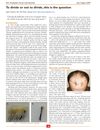
 Dividing hair grafts may make hair look fuller, but more research is needed.
June 2021 in “Cosmoderma” Hair transplantation techniques have improved, making the process safer and more effective with less visible scarring.
 6 citations
,
July 2007 in “Aesthetic Surgery Journal”
6 citations
,
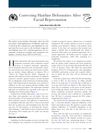
July 2007 in “Aesthetic Surgery Journal” The document concludes that using autologous follicular unit implantation is a successful method to correct hairline deformities after facial rejuvenation.
 9 citations
,
June 2014 in “Journal of Craniofacial Surgery”
9 citations
,
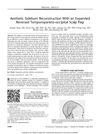
June 2014 in “Journal of Craniofacial Surgery” The method for sideburn reconstruction was safe and effective, giving natural-looking hair with minimal scarring.
 15 citations
,
October 2003 in “Dermatologic Surgery”
15 citations
,
October 2003 in “Dermatologic Surgery” Minoxidil, finasteride, and hair transplantation combined give best results for hair loss.
 12 citations
,
September 2012 in “Plastic and Reconstructive Surgery”
12 citations
,
September 2012 in “Plastic and Reconstructive Surgery” Adding de-epithelialization to the follicular isolation technique improves hair transplant results for eyebrows and eyelashes.
August 2024 in “Journal of Photochemistry and Photobiology B Biology” Combining light therapy with certain substances improves hair growth in people with hair loss.
 March 2021 in “Journal of Maxillofacial and Oral Surgery”
 Beard hair can be used for hair transplants in severe alopecia cases, with minimal complications and good results.