1 citations
,
April 2010 in “Cancer Research” WYE-130600 may cause skin thickening and irritation.
 1 citations
,
January 2010 in “Springer eBooks”
1 citations
,
January 2010 in “Springer eBooks” Hair loss in androgenetic alopecia may be due to ongoing tiny inflammation and tissue changes around hair follicles.
 February 2026 in “Frontiers in Medicine”
 Oral minoxidil improved hair loss more than oral dutasteride.
 November 2025 in “Zenodo (CERN European Organization for Nuclear Research)”
 Dermatophytosis is a common cat fungal infection, usually mild but can be severe in weak or young animals.
 November 2025 in “Zenodo (CERN European Organization for Nuclear Research)”
 Dermatophytosis in cats is a common fungal infection that usually resolves itself but can be severe in vulnerable animals.
August 2025 in “Y HOC TP HO CHI MINH” Perilla leaf extract effectively stimulates hair growth like minoxidil.
 January 2024 in “International Journal of Veterinary Sciences and Animal Husbandry”
 The Pomeranian dog fully recovered from mange after 35 days of treatment.
March 2022 in “Veterinary dermatology” A one-year-old cat had multiple benign skin tumors similar to those known in humans.
 April 2020 in “JOJ dermatology & cosmetics”
 New eyebrow transplant method from Taiwan gives good results without lasers or tattoos.
December 2018 in “Bioscience Journal” Leporacarus gibbus mite was found in a domestic rabbit in Espírito Santo, Brazil, for the first time.
Trichotillometry can measure hair plucking force, aiding alopecia treatment evaluation.
April 2021 in “Cermin Dunia Kedokteran” Two siblings with scalp fungus improved after 2 months of treatment.
September 2011 in “대한미용학회지” Dansam-Samultang promotes hair growth and prevents hair loss.
July 2026 in “npj Regenerative Medicine” Nanoclay gels improve skin wound healing quality in diabetic mice.
 May 2024 in “Academia Open”
 High doses of white turi flower extract increase sodium and potassium levels in rat kidneys.
 11 citations
,
May 2011 in “World Journal of Pediatrics”
11 citations
,
May 2011 in “World Journal of Pediatrics” The document emphasizes the importance of correctly identifying and classifying genetic hair disorders to help diagnose related health conditions.
5 citations
,
November 2010 in “Veterinary Record” The monkeys' skin infection was cured in eight weeks using oral terbinafine, topical washes, and disinfectant fogging.
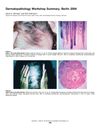 November 2005 in “Journal of Investigative Dermatology Symposium Proceedings”
 The workshop aimed to improve hair loss disorder diagnosis and understanding.
21 citations
,
April 2004 in “Australasian Journal of Dermatology” A 3-year-old girl has a rare condition causing sparse hair and nail issues, with minimal improvement from treatment.
17 citations
,
October 2015 in “PubMed” Proper diagnosis is essential for effective treatment of skin fungal infections.
 10 citations
,
February 2015 in “Melanoma management”
10 citations
,
February 2015 in “Melanoma management” Dermoscopy is useful for many health professionals, not just dermatologists, in improving skin condition diagnoses and reducing unnecessary biopsies.
9 citations
,
February 2024 in “Indian Dermatology Online Journal” New imaging technologies improve skin diagnosis but face cost and training challenges.
January 2021 in “Social Science Research Network” The optimized microemulsion with finasteride and cinnamon oil can effectively deliver the drug through the skin without using ethanol.
 44 citations
,
August 2008 in “Archives of Dermatology”
44 citations
,
August 2008 in “Archives of Dermatology” Trichoscopy is a non-invasive way to diagnose hair and scalp problems without needing hair samples.
 9 citations
,
October 2012 in “PubMed”
9 citations
,
October 2012 in “PubMed” Most women in the study lost hair due to stress, fever, childbirth, surgery, or thyroid issues, with low hemoglobin levels also common.
 April 2012 in “Informa Healthcare eBooks”
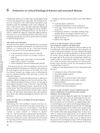
 The document concludes that diagnosing hair loss requires evaluating multiple histological features, as no single feature is definitive on its own.
 May 1999 in “Journal of Oral and Maxillofacial Surgery”
 The book provides practical guidance on cosmetic facial surgery for clinicians.
January 2016 in “Elsevier eBooks” Dermatophycosis is a treatable fungal skin infection spread by contact with infected animals.
Combining vertical and horizontal sectioning improves scalp biopsy analysis for alopecia.
175 citations
,
December 1980 in “Archives of Dermatology” Trichothiodystrophy is a condition with brittle hair and various physical and mental issues due to low sulfur in proteins.