January 2026 in “International Journal of Cosmetic Science” Upcycled pineapple biopolymer is effective and eco-friendly for skincare, suncare, and haircare.
 July 2003 in “Journal of Cutaneous Medicine and Surgery”
 Stopping certain drugs can improve skin conditions, arsenicosis affects over half of a Bangladeshi village, males are more vulnerable, and certain treatments are effective for warts, acne, and psoriasis. Smoking and drinking are linked to psoriasis in men, a cream helps with a type of skin cancer, and low iron levels don't directly cause chronic hair loss in women.
 401 citations
,
January 2013 in “Postepy Dermatologii I Alergologii”
401 citations
,
January 2013 in “Postepy Dermatologii I Alergologii” The paper concludes that understanding melanocyte development can help in insights into skin diseases and melanoma diversity.
 185 citations
,
February 2018 in “Journal of Investigative Dermatology”
185 citations
,
February 2018 in “Journal of Investigative Dermatology” Melatonin may benefit skin health and could be a promising treatment in dermatology.
160 citations
,
April 2014 in “Drug discovery today” Melatonin helps regulate sleep and may aid in treating various health issues.
 131 citations
,
March 2004 in “The American journal of pathology”
131 citations
,
March 2004 in “The American journal of pathology” Modulating BMP activity changes the number, size, shape, and type of ectodermal organs.
 127 citations
,
January 2015 in “Journal of Biological Rhythms”
127 citations
,
January 2015 in “Journal of Biological Rhythms” The skin's internal clock affects healing, cancer risk, aging, immunity, and hair growth, and disruptions can harm skin health.
126 citations
,
November 1987 in “The Journal of Pediatrics” Selenium deficiency can cause skin and hair color loss, muscle weakness, and blood cell changes, but these improve with selenium supplements.
 93 citations
,
October 2006 in “The International Journal of Biochemistry & Cell Biology”
93 citations
,
October 2006 in “The International Journal of Biochemistry & Cell Biology” Melanocytes are crucial for skin pigmentation and can affect conditions like melanoma, vitiligo, and albinism, as well as hair color and hearing.
 66 citations
,
December 2014 in “Nature Communications”
66 citations
,
December 2014 in “Nature Communications” Fibroblasts can be turned into melanocytes for potential skin treatments.
 62 citations
,
April 2009 in “British Journal of Dermatology”
62 citations
,
April 2009 in “British Journal of Dermatology” Epidermal stem cells could lead to new treatments for skin and hair disorders.
 60 citations
,
June 1997 in “Journal of The American Academy of Dermatology”
60 citations
,
June 1997 in “Journal of The American Academy of Dermatology” Apoptosis is crucial for healthy skin and treating skin diseases.
 39 citations
,
November 2017 in “Journal of The American Academy of Dermatology”
39 citations
,
November 2017 in “Journal of The American Academy of Dermatology” The document suggests using standardized methods to track and measure hair loss in alopecia areata, including patient self-assessment and a 50% improvement in specific scores as a treatment goal.
33 citations
,
December 2015 in “International Journal of Molecular Sciences” Melanocyte stem cells are crucial for skin pigmentation and have potential in disease modeling and regenerative medicine.
27 citations
,
May 2024 in “Clinical and Translational Medicine” Melanocyte stem cells are vital for skin and hair color and have potential in treating skin disorders and cancer.
 18 citations
,
February 2014 in “PubMed”
18 citations
,
February 2014 in “PubMed” Androgenetic alopecia is a common hair loss condition caused by testosterone effects on hair follicles, leading to thinner, shorter, and less pigmented hair, diagnosed using scalp dermoscopy and treated with topical minoxidil, antiandrogen agents, and 5-alpha reductase inhibitors.
15 citations
,
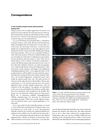
August 2014 in “Journal of dermatological science” Pueraria thunbergiana extract may help prevent hair from turning gray.
 11 citations
,
July 2008 in “International Journal of Dermatology”
11 citations
,
July 2008 in “International Journal of Dermatology” Greying hairs may be protected from alopecia areata.
 11 citations
,
April 2019 in “Journal of Biological Research”
11 citations
,
April 2019 in “Journal of Biological Research” The study identified 12 potential biomarkers for hair loss and how they affect hair growth.
10 citations
,
February 2012 in “Journal of Clinical Investigation” Advancements in skin and hair biology improve dermatology care and cosmetic treatments.
 9 citations
,
May 2013 in “JAMA Dermatology”
9 citations
,
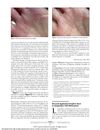
May 2013 in “JAMA Dermatology” Sunlight exposure improved a patient's skin condition, and there may be a link between a certain disease and skin growths; a leukemia treatment caused changes in hair color and growth.
9 citations
,
January 2013 in “International journal of trichology” 88% phenol is effective for treating alopecia areata.
 4 citations
,
May 2018 in “International Journal of Molecular Sciences”
4 citations
,
May 2018 in “International Journal of Molecular Sciences” The research showed how melanocytes develop, move, and respond to UV light, and their stem cells' role in hair color and skin cancer risk.
 3 citations
,
November 2022 in “Experimental dermatology”
3 citations
,
November 2022 in “Experimental dermatology” Melatonin may inhibit melanoma growth and has potential as a cancer therapy aid, but its effects on human skin pigmentation need more research.
2 citations
,
January 1997 in “Mapping” Gambogic Amide may prevent hair greying and promote hair growth by maintaining hair pigmentation.
 1 citations
,
July 2023 in “Journal of Clinical Medicine”
1 citations
,
July 2023 in “Journal of Clinical Medicine” Different causes of beard hair loss have various treatments, including medications, lifestyle changes, and procedures to stimulate hair growth.
 July 2026 in “International Journal of Multidisciplinary Sciences and Arts”
 Papaya seed oil and virgin coconut oil pomade effectively enhances hair shine and moisture.
January 1974 in “OSTI OAI (U.S. Department of Energy Office of Scientific and Technical Information)” Oxidative stress causes hair graying by damaging hair follicle melanocytes more than skin melanocytes.
 June 1995 in “Archives of Dermatology”
 A woman's hair loss was due to trichotillomania, which is often misdiagnosed and can require different treatments based on age and underlying conditions.
January 2026 in “Clinical & Translational Oncology” Early intervention and tailored management are crucial for skin side effects in cancer treatments.