8 citations
,
July 2024 in “Cells” PGC-1α may improve aging skin by boosting mitochondrial function and reducing inflammation.
4 citations
,
July 2025 in “Cosmetics” Olive mill wastewater can be used as a sustainable source of skin-benefiting ingredients.
 1 citations
,
August 2021 in “Frontiers in Genetics”
1 citations
,
August 2021 in “Frontiers in Genetics” Certain genes related to sulfur metabolism are more active during the growth phase of Cashmere goat wool, and melatonin might help this process.
Lysine carboxymethyl cysteinate (LCC) protects skin from UVB damage by activating autophagy.
 March 2024 in “International journal of molecular sciences”
 Zinc, copper, and iron are important for skin health and may help diagnose skin diseases.
3 citations
,
July 2025 in “Current Issues in Molecular Biology” Dental pulp stem cells can help heal skin and mucosal wounds effectively.
April 2024 in “Biomolecules” Exosomal miRNAs from stem cells can help improve skin health and delay aging.
 August 2015 in “Free Radical Biology and Medicine”
 The document concludes that the discussed biological mechanisms and potential therapies are not related to hair loss or hair growth.
 10 citations
,
January 2015 in “Journal of Cutaneous Medicine and Surgery”
10 citations
,
January 2015 in “Journal of Cutaneous Medicine and Surgery” Cold caps and certain drugs may help prevent or reduce hair loss from chemotherapy, but more research is needed.
 April 2025 in “Scientific Reports”
 Astragaloside A may help fight lung cancer by targeting specific proteins.
 20 citations
,
May 2023 in “Biological Trace Element Research”
20 citations
,
May 2023 in “Biological Trace Element Research” Daily intake of 0.5 or 5 mg cobalt ferrite nanoparticles can harm lungs through oxidative and inflammatory stress.
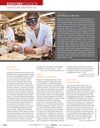 September 2013 in “Science”
 Special astroglia cells improved stroke recovery in rats, a hair growth drug reduced cancer spread, and tiny magnesium structures were more easily shaped.
 1 citations
,
September 2017 in “Journal of Investigative Dermatology”
1 citations
,
September 2017 in “Journal of Investigative Dermatology” Backhousia citriodora leaf extract effectively reduces oily skin across different ethnic groups.
November 2005 in “Physiology” Apoptosis, not oxidative stress, is linked to aging in mice with mtDNA mutations.
November 2025 in “Free Radical Biology and Medicine” SOD1 and KL are promising targets for new hair loss treatments.
 July 2026 in “Más dermatología”
 Dietary supplements with new ingredients can effectively manage hair loss by addressing multiple causes.
 June 2025 in “Current Issues in Molecular Biology”
 Meloside A may help protect hair cells from damage linked to hair loss.
 6 citations
,
June 2022 in “Dermatologic Therapy”
6 citations
,
June 2022 in “Dermatologic Therapy” Honokiol from Magnolia plants may be beneficial for treating various skin conditions and promoting hair growth.
5 citations
,
September 2018 in “International journal of genomics” Genetic mutations that disrupt homocysteine breakdown lead to increased damage in mouse hair keratin.
Curcuma aeruginosa Roxb. may help treat hair loss by affecting specific biological pathways.
 5 citations
,
February 2017 in “Biomolecules & Therapeutics”
5 citations
,
February 2017 in “Biomolecules & Therapeutics” 4-O-Methylhonokiol helps protect skin cells from growth-stopping effects of a protein by regulating growth-related pathways.
 1 citations
,
August 2022 in “Biomedicines”
1 citations
,
August 2022 in “Biomedicines” Dutasteride, usually used for prostate issues and hair loss, could potentially treat Amyotrophic Lateral Sclerosis (ALS) due to its neuroprotective, antioxidant, and anti-inflammatory properties, but more testing is needed.
 5 citations
,
January 2004 in “Biochimie”
5 citations
,
January 2004 in “Biochimie” Arsenic trioxide effectively treats APL, improving survival rates despite its toxicity.
 158 citations
,
May 1968 in “The journal of nutrition/The Journal of nutrition”
158 citations
,
May 1968 in “The journal of nutrition/The Journal of nutrition” Zinc is crucial for growth and health in rats.
1 citations
,
August 2025 in “Seeds” Cucurbitaceae seeds, like watermelon and pumpkin, can be used in cosmetics for skin and hair benefits.
 January 2022 in “Kafkas Universitesi Veteriner Fakultesi Dergisi”
 The research improved understanding of twin births and fertility in Tibetan sheep, helping animal farming.
 47 citations
,
March 2017 in “Clinical, cosmetic and investigational dermatology”
47 citations
,
March 2017 in “Clinical, cosmetic and investigational dermatology” Certain skin conditions may indicate or increase the risk of Parkinson's disease.
 July 2022 in “World Journal of Advanced Research and Reviews”
 Piptadeniastrum africanum and Cordia plathytyrsa can increase testosterone without major metabolic changes, but may affect triglycerides and creatinine.
 January 2019 in “Springer eBooks”
 Modified HDL can better deliver drugs and genes, potentially improving treatments and reducing side effects.
 45 citations
,
April 2019 in “Scientific Reports”
45 citations
,
April 2019 in “Scientific Reports” Higher CO2 levels help a cyanobacterium grow better by boosting photosynthesis and carbon uptake.