
Dermal stem cells help regenerate hair follicles and heal skin wounds.
 153 citations
,
August 2002 in “Dermatologic Surgery”
153 citations
,
August 2002 in “Dermatologic Surgery” Follicular Unit Extraction (FUE) is a less invasive hair transplant method with minimal scarring, suitable for about 60% of patients, especially those needing fewer grafts and quicker recovery.
 33 citations
,
September 2016 in “British journal of dermatology/British journal of dermatology, Supplement”
33 citations
,
September 2016 in “British journal of dermatology/British journal of dermatology, Supplement” Human hair follicle dermal cells can effectively replace other cells in engineered skin.
 13 citations
,
May 2005 in “Seminars in Plastic Surgery”
13 citations
,
May 2005 in “Seminars in Plastic Surgery” Follicular Cell Implantation might become a new treatment for hair loss and could lead to advances in organ regeneration.
 6 citations
,
February 2014 in “Experimental Dermatology”
6 citations
,
February 2014 in “Experimental Dermatology” Hair follicle regeneration is possible but challenging, especially in humans, due to the need for specific cells and a better understanding of how they signal growth.
 131 citations
,
July 2009 in “Experimental Dermatology”
131 citations
,
July 2009 in “Experimental Dermatology” The document concludes that specific cells are essential for hair growth and more research is needed to understand how to maintain their hair-inducing properties.
December 2024 in “International Journal of Molecular Sciences” Targeting CXCL12 may help treat hair loss caused by androgens.
 60 citations
,
April 2018 in “Clinical, cosmetic and investigational dermatology”
60 citations
,
April 2018 in “Clinical, cosmetic and investigational dermatology” Tight hairstyles and chemical relaxers can cause hair loss known as traction alopecia.
 June 2023 in “Frontiers in Genetics”
 Genes related to calcium signaling and lipid metabolism are important for curly hair in Mangalitza pigs.
92 citations
,
December 2005 in “The Journal of clinical investigation/The journal of clinical investigation” Human hair follicle stem cells can be isolated using specific markers for potential therapeutic use.
Certain short peptides can increase root hair growth in tobacco plants.
 90 citations
,
January 1979 in “International review of cytology”
90 citations
,
January 1979 in “International review of cytology” Wool follicles are complex, involving interactions between different cell types and structures.
32 citations
,
August 2006 in “Archives of Dermatological Research” Dermal papilla cells can help regrow hair follicles.
 16 citations
,
April 1978 in “Genetics Research”
16 citations
,
April 1978 in “Genetics Research” Mice with the ab gene have abnormal sebaceous gland development, affecting sebum production.
 11 citations
,
September 2016 in “Journal of virological methods”
11 citations
,
September 2016 in “Journal of virological methods” Rabies virus was found in specific skin cells of rabid dogs' muzzles, suggesting these cells could help diagnose rabies.
 9 citations
,
August 2007 in “Journal of animal science/Journal of animal science ... and ASAS reference compendium”
9 citations
,
August 2007 in “Journal of animal science/Journal of animal science ... and ASAS reference compendium” Sheep wool follicles absorb different amino acids at various rates and locations, which could affect wool growth based on diet and genetics.
7 citations
,
September 2003 in “Journal of Investigative Dermatology” PAR-1 may play a role in hair growth regulation in human hair follicles.
 September 2017 in “Journal of Investigative Dermatology”
 HIF-1A may aid hair growth, Backhousia citriodora improves skin, autologous cells stabilize hair loss, infrared thermography assesses alopecia, and a new treatment preserves hair.
 2 citations
,
January 1997 in “Journal of Clinical Biochemistry and Nutrition”
2 citations
,
January 1997 in “Journal of Clinical Biochemistry and Nutrition” Biotin deficiency causes severe hair loss and weight reduction in germ-free mice.
 20 citations
,
November 1968 in “The Lancet”
20 citations
,
November 1968 in “The Lancet” Potassium levels affect blood sugar and insulin during dialysis, and malnutrition changes children's hair roots.
1 citations
,
December 2023 Hair grows in cycles and changes with age, starting from fetal development.
 115 citations
,
January 2014 in “Journal of Cutaneous and Aesthetic Surgery”
115 citations
,
January 2014 in “Journal of Cutaneous and Aesthetic Surgery” Platelet-rich plasma (PRP) is a cheap and easy treatment for hair loss, but not suitable for everyone. It also helps in healing ulcers, rejuvenating skin, and improving hair transplants.
 50 citations
,
September 2014 in “Stem cell reports”
50 citations
,
September 2014 in “Stem cell reports” BLIMP1 is essential for skin maintenance but not for defining sebaceous gland progenitors.
 29 citations
,
January 2021 in “Journal of Investigative Dermatology”
29 citations
,
January 2021 in “Journal of Investigative Dermatology” Fat under the skin releases HGF which helps hair grow and gain color.
February 2024 in “Cosmetics” The conclusion is that new plant-based treatments for hair loss may work by targeting certain enzymes.
 321 citations
,
December 2009 in “Journal of Dermatological Science”
321 citations
,
December 2009 in “Journal of Dermatological Science” Dermal cells are key in controlling hair growth and could potentially be used in hair loss treatments, but more research is needed to improve hair regeneration methods.
158 citations
,
May 2003 in “Journal of Investigative Dermatology” Hair growth is influenced by dynamic changes in hair follicle cells, which could help treat hair loss.
6 citations
,
August 2015 in “Acta histochemica” Lysozyme might help mouse hair grow.

Hair RiseTM microemulsion effectively promotes hair growth and treats hair loss better than standard treatments.
 January 2022 in “Autopsy and Case Reports”
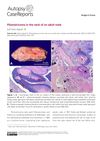
 A man had a non-cancerous neck tumor related to hair follicles removed with no return of the tumor.