 December 1991 in “Annals of the New York Academy of Sciences”
 Keratin proteins are crucial for hair structure and strength.
 37 citations
,
October 2014 in “Maturitas”
37 citations
,
October 2014 in “Maturitas” Men's hair loss is caused by hormones and genes, and can be treated with medication and surgery, while graying is due to aging and has no prevention except dyeing.
 22 citations
,
July 2004 in “International Journal of Cosmetic Science”
22 citations
,
July 2004 in “International Journal of Cosmetic Science” UV radiation and visible light can damage hair, but there are ways to protect it.
 21 citations
,
April 1982 in “Genetics Research”
21 citations
,
April 1982 in “Genetics Research” Mice with the naked gene have missing or abnormal hair cells.
 February 2026 in “Journal of the Korean Society of Cosmetology”
 Silicone oil viscosity affects hair curling and damage during treatments.
 July 2024 in “International Journal of Dermatology Venereology and Leprosy Sciences”
 Bariatric surgery often causes temporary hair loss due to stress and nutrient deficiencies.
 11 citations
,
September 2014 in “International Journal of Molecular Sciences”
11 citations
,
September 2014 in “International Journal of Molecular Sciences” Mycophenolate helps reverse hair loss effects caused by IFN-γ by activating a key hair growth pathway.
 47 citations
,
July 1967 in “Science”
47 citations
,
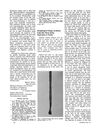
July 1967 in “Science” Not eating enough protein can cause hair roots to shrink and lose color, and hair to become thinner.
 7 citations
,
October 1963 in “Textile Research Journal”
7 citations
,
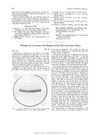
October 1963 in “Textile Research Journal” Merino wool fibers change shape with moisture, while human hair shape stays the same.
 September 2014 in “Springer eBooks”
 Aging causes hair to gray and thin, with the timing of graying varying by race, and factors like oxidative stress and genetics can lead to hair loss.
 2 citations
,
October 2010 in “Journal of dermatological treatment”
2 citations
,
October 2010 in “Journal of dermatological treatment” External treatments can change hair growth patterns in nude mice.
 24 citations
,
November 2013 in “British Journal of Dermatology”
24 citations
,
November 2013 in “British Journal of Dermatology” Chemotherapy causes hair loss starting soon after treatment begins and recovers about 3 months after ending, while tamoxifen does not significantly affect hair growth.
 September 2025 in “Sahel Journal of Life Sciences FUDMA”
 Chemical hair straighteners can severely damage hair and scalp with repeated use.
 17 citations
,
February 2015 in “Cell Death and Disease”
17 citations
,
February 2015 in “Cell Death and Disease” Inhibiting AP1 in mice skin causes structural changes and weakens the skin barrier.
 2 citations
,
June 2020 in “Skin Research and Technology”
2 citations
,
June 2020 in “Skin Research and Technology” MRI reveals thinner scalps and smaller hair follicles in people with androgenetic alopecia.

Understanding hair surface properties is key for effective hair care products.
 December 2022 in “Himi, himijn tehnologijn hùrèèlèngijn èrdèm šinžilgèènij bùtèèl”
 Hair products with copper and zinc enriched yeast made hair thicker and denser.
 17 citations
,
November 2012 in “Journal of Investigative Dermatology”
17 citations
,
November 2012 in “Journal of Investigative Dermatology” The document concludes that over 500 genes are linked to hair disorders and this knowledge is important for creating new treatments.
 5 citations
,
September 2015 in “BMC Medical Genetics”
5 citations
,
September 2015 in “BMC Medical Genetics” The EDAR gene mutation leads to thinner and more deformed hair shafts.
 25 citations
,
July 2008 in “British Journal of Dermatology”
25 citations
,
July 2008 in “British Journal of Dermatology” CD10 and CD34 levels change during hair development and different hair growth stages, which could be important for hair regeneration treatments.
 1 citations
,
August 2019 in “Research Square (Research Square)”
1 citations
,
August 2019 in “Research Square (Research Square)” Cashmere goats have a hair growth cycle with specific genes regulating growth, regression, and resting periods.
 9 citations
,
August 2005 in “Experimental Dermatology”
9 citations
,
August 2005 in “Experimental Dermatology” Modified pep7, named EPM peptide, effectively promotes hair growth at low concentrations and works well with minoxidil.
 46 citations
,
June 2018 in “American Journal of Clinical Dermatology”
46 citations
,
June 2018 in “American Journal of Clinical Dermatology” Hair loss is common in lupus patients and can be permanent or reversible, depending on the type, with various treatments available.
 15 citations
,
March 2012 in “International journal of nanomedicine”
15 citations
,
March 2012 in “International journal of nanomedicine” Local injections of nanosized rhEPO can speed up skin healing and improve quality after deep second-degree burns.
 12 citations
,
July 2014 in “Journal of Investigative Dermatology”
12 citations
,
July 2014 in “Journal of Investigative Dermatology” Chemotherapy causes complex changes in hair follicle cells that can lead to hair loss.
 May 2026 in “Journal of Cutaneous and Aesthetic Surgery”
 Trichoscopy helps monitor changes and detect issues after hair transplants.
 April 2023 in “Acta Poloniae Pharmaceutica”
 Herbal extract shampoo increased certain minerals in hair and improved hair growth and scalp health.
 July 2018 in “Elsevier eBooks”
 Some drugs can cause reversible hair loss, but certain chemotherapy drugs may lead to permanent hair loss; drugs can also change hair color and texture.
 34 citations
,
May 2013 in “Journal of the European Academy of Dermatology and Venereology”
34 citations
,
May 2013 in “Journal of the European Academy of Dermatology and Venereology” Hair growth slows and shedding increases after childbirth, but most women don't experience excessive hair loss.
 October 1890 in “Science”
 Pilocarpin can cause hair regrowth and color change in some cases but not in others, and it may have side effects in animals.