 April 2017 in “The FASEB Journal”
 Eating more vitamin A changes hair growth-related proteins in mice, affecting hair cycle stages.
May 2015 in “Cancer research” After chemotherapy for early breast cancer, 33.4% of patients had long-term significant hair loss, with some hair regrowth over time, but treatments for hair loss were largely ineffective.
April 2015 in “The FASEB Journal” Nitrogen mustard causes DNA damage and structural changes in mouse skin hair follicles, but some recovery occurs after 5 days.
April 2014 in “The FASEB journal” The extract helps prevent hair loss and promotes hair growth in stressed mice.
 April 2014 in “The FASEB Journal”
 Geranium Sibiricum L extract may promote hair growth by increasing growth factors and decreasing inhibitory factors under stress.
April 2013 in “The FASEB journal” Platycarya strobilacea extract significantly improves hair growth and follicle health.
 May 2012 in “The Journal of Nuclear Medicine”
 Hair stem cells were tracked in mice using a special imaging technique, showing that it's possible to monitor hair growth this way.
 April 2011 in “The FASEB Journal”
 Aralia continentalis root extract may help with hair growth.
 April 2010 in “The FASEB Journal”
 Korean ginseng berry may help with hair regrowth.
April 2010 in “Cancer Research” CDK4 levels affect the number of hair follicle stem cells in mice.
April 2010 in “Cancer Research” Stat3 activation increases hair follicle progenitors but reduces bulge region stem cells.
October 2021 in “QJM: An International Journal of Medicine” ADSC injections improve hair density, thickness, and reduce inflammation in female pattern hair loss.
October 2020 in “The American journal of gastroenterology” Para-aminobenzoic acid in hair supplements can cause autoimmune hepatitis.
 November 2025 in “Quality in Sport”
 Collagen supplements improve skin, hair, and nails, especially with vitamin C and minerals.
 September 2023 in “International Journal of Trichology”
 Oral Vitamin D can improve hair density and reduce hair loss in Telogen Effluvium patients.
 January 2006 in “Seibutsu Butsuri”
 Curly and straight hair differ in how their internal fibers are arranged.
 January 2005 in “Seibutsu Butsuri/Seibutsu butsuri”
 Chemical treatments damage hair more than UV exposure, making it thinner and less flexible.
 January 2026 in “Indian Journal of Dermatopathology and Diagnostic Dermatology”
 Corkscrew hairs can help diagnose trichotillomania.
June 2025 in “British Journal of Dermatology” Patients face long waits and misdiagnoses before getting proper hair loss treatment.
June 2025 in “British Journal of Dermatology” Low-dose oral minoxidil is increasingly used by dermatologists in the UK and Ireland to treat various hair loss conditions.
 June 2024 in “British Journal of Dermatology”
 The grand round helps improve diagnoses and suggests new treatments for hair disorders.
 August 2023 in “British Journal of Surgery”
 Synthetic hair transplants can lead to skin cancer on the scalp.
April 2023 in “Cancer Research” Plucked hair can effectively monitor drug effects in cancer treatment.
 October 2021 in “QJM: An International Journal of Medicine”
 Low iron levels are linked to premature graying of hair, but vitamin D levels are not.
 May 2021 in “Journal of the Endocrine Society”
 A woman's hair loss and other symptoms were due to a rare hormone deficiency treatable with steroids.
January 2015 in “Zurich Open Repository and Archive (University of Zurich)” The supplement did not work better than a placebo for hair loss in women over 60.
 September 2011 in “American Journal of Clinical Dermatology”
 The birth control pill containing ethinylestradiol and chlormadinone may help treat acne and other skin and hair conditions related to hormones.
October 2021 in “QJM: An International Journal of Medicine” PRP injections may help treat hair loss.
 27 citations
,
March 2012 in “Dermatologic Therapy”
27 citations
,
March 2012 in “Dermatologic Therapy” Taking zinc supplements can help improve or cure hair loss caused by zinc deficiency.
 20 citations
,
November 1943 in “Experimental Biology and Medicine”
20 citations
,
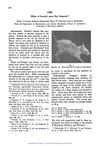
November 1943 in “Experimental Biology and Medicine” Inositol helped prevent and cure hair loss in rats.