3 citations
,
September 2017 in “Archives of dermatological research” Early diagnosis and tailored treatments are crucial for managing ichthyosis syndromes with hair abnormalities.
10 citations
,
November 2019 in “Journal of the European Academy of Dermatology and Venereology” The RAS pathway affects hair growth differently in CFCS and CS.
2 citations
,
September 2016 in “Journal of Dermatological Science” Reduced TRPS1 leads to increased STAT3 and SOX9 in hair follicles, affecting hair growth.
 September 2018 in “Gynecology & Obstetrics”
 Removing hair wrapped around the labia quickly prevents serious tissue damage.
 39 citations
,
October 2010 in “Journal of The American Academy of Dermatology”
39 citations
,
October 2010 in “Journal of The American Academy of Dermatology” Some patients with mycosis fungoides or Sézary syndrome experience hair loss, which may be similar to alopecia areata or linked to skin lesions, possibly due to abnormal T cells, and bexarotene can help treat it.
1 citations
,
December 2017 in “The Medical journal of Basrah University” People with metabolic syndrome get gray hair earlier.
41 citations
,
December 2008 in “Pediatric Dermatology” Trichoscopy can diagnose Netherton syndrome without pulling hairs.
33 citations
,
February 2012 in “British Journal of Dermatology” Mutations in the p63 gene affect skin adhesion, barrier integrity, and hair growth.
 17 citations
,
September 2010 in “Pediatric dermatology”
17 citations
,
September 2010 in “Pediatric dermatology” A 15-year-old with KID syndrome developed a rare skin condition called PEHFN.
 16 citations
,
March 2013 in “The Journal of Dermatology”
16 citations
,
March 2013 in “The Journal of Dermatology” Low TRPS1 expression in skin and hair cells is linked to hair problems in Trichorhinophalangeal syndrome.
 7 citations
,
January 2020 in “Journal of Dermatology”
7 citations
,
January 2020 in “Journal of Dermatology” Cantu syndrome, which causes excessive hair growth and skin issues, is due to a mutation in the ABCC9 gene, and understanding this could help develop new treatments for hair diseases.
4 citations
,
January 2018 in “Annals of dermatology/Annals of Dermatology” Hair transplantation successfully treated hair loss in a patient with Trichorhinophalangeal syndrome.
 2 citations
,
January 2013 in “Hair therapy & transplantation”
2 citations
,
January 2013 in “Hair therapy & transplantation” Hair loss may signal metabolic problems and increased risk of heart disease, suggesting people with hair loss should be checked for these issues.

Dupilumab improved hair and skin in a woman with Netherton syndrome.

Dupilumab improved hair and skin in a woman with Netherton syndrome.
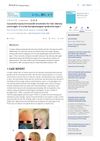
June 2026 in “Case Reports in Dermatology” Dupilumab improved hair and skin in a woman with Netherton syndrome.
 January 2024 in “Pediatric Dermatology”
 Minoxidil improved hair growth in a child with a rare genetic disorder.

Nourkrin® with Marilex® may significantly increase hair growth and alopecia could be an early sign of metabolic syndrome.
July 2012 in “American Journal of Clinical Pathology” Hair examination is crucial for diagnosing Netherton syndrome in patients with certain skin symptoms.
 21 citations
,
July 2005 in “European Journal of Emergency Medicine”
21 citations
,
July 2005 in “European Journal of Emergency Medicine” Hair-tourniquet syndrome can cause serious toe injuries in infants but can be treated if found early.
 17 citations
,
December 2009 in “Journal of Pediatric Orthopaedics”
17 citations
,
December 2009 in “Journal of Pediatric Orthopaedics” Two babies needed surgery to remove hair tightly wrapped around their toes to prevent serious injury.
 17 citations
,
April 1997 in “Archives of dermatology”
17 citations
,
April 1997 in “Archives of dermatology” The document describes a treatment for excessive hair growth in a teenage girl using medication and birth control, but does not report the results.
 January 2022 in “Acta dermatovenerologica Alpina, Pannonica et Adriatica (Tiskana izd.)”
 Uncombable hair syndrome causes frizzy hair and can affect the nervous system, eyes, and ears, often co-occurring with other hair, skin, nail, and teeth conditions, and is linked to three specific gene mutations.
 January 2017 in “Journal of clinical & experimental dermatology research”
 The case shows skin changes can indicate deeper health issues like insulin resistance, which are challenging to manage.
July 1998 in “Annals of saudi medicine/Annals of Saudi medicine” A misdiagnosed case of HAIR-AN syndrome led to unnecessary surgeries and highlighted the importance of correct diagnosis and treatment.
119 citations
,
November 2016 in “American journal of human genetics” Mutations in three genes cause Uncombable Hair Syndrome, leading to frizzy hair that can't be combed flat.
 12 citations
,
November 1987 in “Pediatric dermatology”
12 citations
,
November 1987 in “Pediatric dermatology” Four children had unmanageable pale blond hair due to uncombable-hair syndrome.
 11 citations
,
January 2013 in “International Journal of Trichology”
11 citations
,
January 2013 in “International Journal of Trichology” Short Anagen Syndrome causes persistently short hair and increased shedding, usually improving after puberty.
7 citations
,
June 2018 in “Journal of the American Academy of Dermatology” The document suggests finding a simpler, cheaper way to diagnose Uncombable Hair Syndrome.
 7 citations
,
January 2012 in “International Journal of Trichology”
7 citations
,
January 2012 in “International Journal of Trichology” A man with Woolly Hair Syndrome had very curly, fragile hair, and doctors used a special scalp examination to diagnose him without invasive tests.