December 2025 in “Advanced Healthcare Materials” The composite helps hair growth and scalp healing by reducing stress and inflammation.
 36 citations
,
January 2018 in “Scientific reports”
36 citations
,
January 2018 in “Scientific reports” Eating glucoraphanin can help prevent psychosis in offspring whose mothers had immune system activation.
 46 citations
,
January 1996 in “Journal of The American Academy of Dermatology”
46 citations
,
January 1996 in “Journal of The American Academy of Dermatology” People with late-stage HIV-1 often experience a specific type of hair loss linked to multiple factors, including nutritional issues and immune responses.
 September 2017 in “Journal of Investigative Dermatology”
 The study found that sweat glands normally suppress immune responses, but this is disrupted in certain skin diseases, possibly contributing to their development.
 11 citations
,
June 2022 in “Frontiers in immunology”
11 citations
,
June 2022 in “Frontiers in immunology” New protein changes may be involved in the immune attack on hair follicles in alopecia areata.
 February 2026 in “International Journal of Web of Multidisciplinary Studies”
 Restoring microbial balance and using exosome therapies may help treat hair disorders like alopecia and acne.
November 2025 in “Advanced Science” The treatment using a special hydrogel shows promise for promoting hair growth.
 28 citations
,
February 2016 in “F1000Research”
28 citations
,
February 2016 in “F1000Research” Understanding glycans and enzymes that alter them is key to controlling hair growth.
 16 citations
,
September 2020 in “British journal of dermatology/British journal of dermatology, Supplement”
16 citations
,
September 2020 in “British journal of dermatology/British journal of dermatology, Supplement” The article suggests that targeting specific immune pathways could help control and treat the skin disease hidradenitis suppurativa.
 10 citations
,
May 2020 in “Dermatology Research and Practice”
10 citations
,
May 2020 in “Dermatology Research and Practice” Proteoglycans are important for hair growth, and a specific treatment can help reduce hair loss.

Different stem cells are key for hair growth and health, and understanding their regulation could help treat hair loss.
 January 2026 in “Stem Cell Reviews and Reports”
 Hair graying may help prevent cancer by protecting stem cells.
 March 2026 in “Brazilian Journal of Microbiology”
 Restoring skin bacteria may help reduce hair loss.
 April 2017 in “The journal of investigative dermatology/Journal of investigative dermatology”
 Stress in hair follicle cells increases certain immune-related proteins, which might contribute to hair loss conditions.
 18 citations
,
October 2017 in “PLOS ONE”
18 citations
,
October 2017 in “PLOS ONE” The study concluded that similar pathways regulate hair growth in dogs and mice, and these pathways are disrupted in dogs with Alopecia X, affecting stem cells and hormone metabolism.
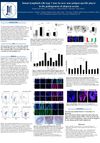
Innate lymphoid cells type 1 may contribute to alopecia areata by damaging hair follicles.
22 citations
,
April 2021 in “Human Cell” MicroRNAs may help diagnose and treat hair loss disorders.
 6 citations
,
February 2022 in “Journal of immunology research”
6 citations
,
February 2022 in “Journal of immunology research” Exosomes from fat-derived stem cells can potentially improve hair growth and could be a new treatment for immune-related hair loss.
 April 2021 in “Sohag Medical Journal”
 Alopecia areata is an autoimmune condition causing hair loss, linked to genetic factors and immune system issues, with no cure yet.
 November 2023 in “Nature Communications”
 Cells lacking the Bax protein can outcompete others, leading to better tissue repair and hair growth.
 November 2025 in “Frontiers in Immunology”
 Immune cells are crucial for normal skin development and their dysfunction can cause skin disorders.
 January 2025 in “SKIN The Journal of Cutaneous Medicine”
 Calcipotriol's effectiveness for treating alopecia areata is unclear and needs more research.
 January 2024 in “International journal of homoeopathic sciences”
 Early intervention and patient education are crucial for managing alopecia areata.
 27 citations
,
April 2017 in “British Journal of Dermatology”
27 citations
,
April 2017 in “British Journal of Dermatology” Hair loss involves immune responses, inflammation, and disrupted signaling pathways.
 1 citations
,
May 2017 in “InTech eBooks”
1 citations
,
May 2017 in “InTech eBooks” Hair loss in Androgenetic alopecia (AGA) is due to altered cell sensitivity to hormones, not increased hormone levels. Hair growth periods shorten over time, causing hair to become thinner and shorter. This is linked to miscommunication between cell pathways in hair follicles. There's also a change in gene expression related to blood vessels and cell growth in balding hair follicles. The exact molecular causes of AGA are still unclear.
 April 2017 in “Journal of Investigative Dermatology”
 Eating a lot of fat increases PKCβ and inflammation in skin fat cells, which affects skin and hair health.
 50 citations
,
January 2016 in “The FEBS journal”
50 citations
,
January 2016 in “The FEBS journal” RANK is a key target in breast cancer treatment due to its role in tumor growth and bone metastasis.
 150 citations
,
October 2010 in “The American Journal of Pathology”
150 citations
,
October 2010 in “The American Journal of Pathology” The document concludes that more research is needed to better understand and treat primary cicatricial alopecias, and suggests a possible reclassification based on molecular pathways.
 2 citations
,
October 2025 in “Discover Immunity.”
2 citations
,
October 2025 in “Discover Immunity.” Alopecia Areata is an autoimmune disease causing hair loss, with no cure yet, but research may lead to new treatments.
 290 citations
,
December 2017 in “Journal of The American Academy of Dermatology”
290 citations
,
December 2017 in “Journal of The American Academy of Dermatology” Alopecia areata is an autoimmune condition causing hair loss, influenced by genetics, stress, and diet, and may be prevented by a high soy oil diet.