8 citations
,
September 1981 in “Zentralblatt für Veterinärmedizin Reihe A” Biotin deficiency in pigs causes hair loss, skin issues, and weak claws.
 44 citations
,
January 2005 in “Dermatology”
44 citations
,
January 2005 in “Dermatology” Hair problems can be caused by genetics or the environment, and treatment should focus on the cause and reducing hair damage.
 45 citations
,
January 2010 in “Journal of Veterinary Medical Science”
45 citations
,
January 2010 in “Journal of Veterinary Medical Science” A gene mutation causes curly hair and hair loss in rats.
28 citations
,
December 1997 in “Journal of Biological Chemistry” A genetic mutation in the hHa1 gene creates a smaller, but still functional, hair protein without causing hair problems.
 May 2020 in “JOJ Dermatology & Cosmetics”
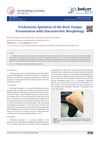
 A rare skin condition usually on the face was found on a man's heel.
 87 citations
,
July 2009 in “The journal of investigative dermatology/Journal of investigative dermatology”
87 citations
,
July 2009 in “The journal of investigative dermatology/Journal of investigative dermatology” Human beard hair medulla contains a unique and complex mix of keratins not found in other human tissues.
 143 citations
,
October 2008 in “Journal of The American Academy of Dermatology”
143 citations
,
October 2008 in “Journal of The American Academy of Dermatology” Comma hairs are a specific sign of tinea capitis when viewed with videodermatoscopy.
4 citations
,
April 1978 in “PubMed” Netherton syndrome in a boy caused skin and hair issues, and treatment didn't work.
2 citations
,
November 2018 in “Veterinary Dermatology” Poodles' hair changes aren't always linked to calcium, and special staining is needed to detect true calcium deposits.
11 citations
,
January 1989 Two patients had a unique form of trichothiodystrophy with reduced high-sulfur proteins in their hair.
 3 citations
,
March 2010 in “Dermatologica Sinica”
3 citations
,
March 2010 in “Dermatologica Sinica” A Taiwanese patient had hair loss and skin bumps without the usual gene mutation, suggesting other genetic factors might be involved.

Recognize Rapunzel syndrome in children with unexplained stomach issues for timely treatment.
1 citations
,
January 2015 in “Bulletin of the Russian Academy of Sciences Physics” Hair tissue can help monitor environmental and public health risks.
June 2020 in “Journal of Investigative Dermatology” Hair shaft malformation contributes to Central Centrifugal Cicatricial Alopecia.
 52 citations
,
October 2012 in “Journal of Dermatological Science”
52 citations
,
October 2012 in “Journal of Dermatological Science” The document concludes that mouse models are crucial for studying hair biology and that all mutant mice may have hair growth abnormalities that require detailed analysis to identify.
 38 citations
,
October 2011 in “Analytical biochemistry”
38 citations
,
October 2011 in “Analytical biochemistry” Hair proteins have weak spots in their α-helical segments.
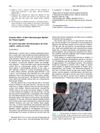 5 citations
,
November 2012 in “Actas Dermo-Sifiliográficas”
5 citations
,
November 2012 in “Actas Dermo-Sifiliográficas” Comma hairs are a new sign for identifying scalp fungal infections.
 January 2025 in “The Analyst”
 Calcium oxalate was found in human hair and could help detect certain health conditions.
 16 citations
,
July 2013 in “The American Journal of Dermatopathology”
16 citations
,
July 2013 in “The American Journal of Dermatopathology” Pigmented casts are common in several hair loss conditions and can help diagnose specific types of alopecia.
175 citations
,
August 1997 in “Nature Genetics”  13 citations
,
October 2004 in “Anais Brasileiros De Dermatologia”
13 citations
,
October 2004 in “Anais Brasileiros De Dermatologia” The document concludes that compulsive hair disorders, like trichotillomania, are complex and require careful diagnosis and treatment from both psychiatric and dermatological perspectives.
Screening for iron levels in patients with hair loss may help find a genetic iron overload condition early.
15 citations
,
June 2012 in “British Journal of Dermatology” A new mutation in the KRT86 gene causes a hair disorder with variable expression.
 December 2022 in “The journal of pediatrics/The Journal of pediatrics”
 A young girl's foot lesion was actually a rare condition caused by a hair fragment under the skin, not a parasite.
16 citations
,
December 2016 in “ecancermedicalscience” Hair analysis may help detect breast cancer early by identifying changes in lipid content.
January 2022 in “SSRN Electronic Journal” Mouse hair follicles age, causing more white hairs due to fewer pigment stem cells.
 21 citations
,
April 2014 in “PLoS ONE”
21 citations
,
April 2014 in “PLoS ONE” A rare gene variant causes hair and nail issues in a family.
Gray hair affects hair's movement and appearance, making it less bouncy and more wavy.
2 citations
,
October 2018 in “Skin appendage disorders” A boy's hair that was frizzy and hard to comb returned to normal after 9 months, possibly due to genetic factors.