11 citations
,
March 1991 in “PubMed” Hormonal imbalances, including high prolactin and thyroid issues, contribute to hair growth problems in women.
 November 2024 in “Fermentation”
 Fermented ginsenosides from kimchi bacteria may promote hair growth better than finasteride.
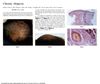 June 1995 in “Archives of Dermatology”
 A woman's hair loss was due to trichotillomania, which is often misdiagnosed and can require different treatments based on age and underlying conditions.
 June 2023 in “Journal of cosmetic dermatology”
 Dermatologists should know hair prosthetic options to better help alopecia patients.
9 citations
,
January 1998 in “Studia Anglica Posnaniensia: international review of English Studies” Wound-induced hair growth may help study regeneration and aging, but it's unclear if this ability decreases with age.
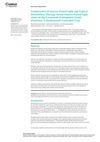
Adding a topical agent to IPL improves hair reduction and satisfaction without extra side effects.
May 2023 in “Zenodo (CERN European Organization for Nuclear Research)” 7 citations
,
December 1991 in “Annals of the New York Academy of Sciences” Dermal papillae are crucial for hair growth and maintenance.
March 2024 in “Clinical Case Reports” Early detection of tinea capitis is possible by spotting specific hair patterns like comma or corkscrew hairs.
January 2000 in “Martin Dunitz eBooks” The book explains hair biology, disorders, and treatments.
 July 2022 in “Research Square (Research Square)”
 Huaier helps hair grow back and repairs tissue after cancer treatment.
 18 citations
,
January 2007 in “Pharmaceutical Biology”
18 citations
,
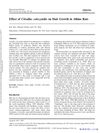
January 2007 in “Pharmaceutical Biology” Citrullus colocynthis extract is effective for hair growth, comparable to minoxidil.
November 2009 in “Medical and Surgical Dermatology” 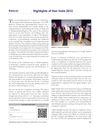 1 citations
,
January 2012 in “International Journal of Trichology”
1 citations
,
January 2012 in “International Journal of Trichology” Hair India 2012 was a successful international event focused on combating fake trichology practices and discussing various hair health topics.
Mutations in the hairless protein gene cause hair loss.
 June 2022 in “Authorea (Authorea)”
 A 59-year-old woman was diagnosed with a rare hair loss condition called lipedematous alopecia.
 August 2023 in “Journal of Investigative Dermatology”
 Ganoderma lucidum extract and its component, ganoderic acid A, may effectively prevent hair loss.
1 citations
,
November 2023 in “Journal of Investigative Dermatology” Farudodstat may effectively treat alopecia areata without harming hair follicles.
 May 1999 in “Hair transplant forum international”
 The document's conclusion cannot be summarized because the content is not accessible.
 6 citations
,
October 2017 in “Oncotarget”
6 citations
,
October 2017 in “Oncotarget” Hairless mice are more vulnerable to Listeria infection, but gut microbiota can help reduce damage.
210 citations
,
February 2008 in “Nature genetics” Mutations in the P2RY5 gene cause autosomal recessive woolly hair.
February 2025 in “BioNanoScience”  June 2026 in “Zenodo (CERN European Organization for Nuclear Research)”
 Formulation F2 is the best for herbal hair care.
 July 2022 in “Al-Mağallaẗ al-ʻirāqiyyaẗ li-l-ṣaydalaẗ”
 Androgenetic alopecia with telogen effluvium is the most common hair loss in women with hirsutism.
 January 2023 in “Advances in pharmacology and clinical trials”
 Human hair is a significant sample for various tests in clinical, nutritional, archaeological, and forensic studies.
7 citations
,
May 2014 in “Iranian Red Crescent medical journal” Laser hair removal is effective for hirsutism when combined with treatment for the underlying causes.
47 citations
,
July 1998 in “Journal of Investigative Dermatology” A new mutation, Glu402Lys, in hair keratin is linked to variable symptoms of monilethrix.
 September 1997 in “JEADV. Journal of the European Academy of Dermatology and Venereology/Journal of the European Academy of Dermatology and Venereology”
 Blocking IL-1 could help treat some hair loss conditions; alopecia affects liver detox systems; spironolactone is better than finasteride for female hair growth; focusing on the catagen hair phase could lead to new alopecia treatments.
November 2021 in “Skin appendage disorders” Self-induced hair loss should be considered in patients with androgenetic alopecia.