The skin can still regenerate and function well even with fewer fibroblasts.

Mechanical surface cues can control macrophage behavior for better immunotherapy and tissue healing.
 April 2026 in “International Journal of Current Pharmaceutical Review and Research”
 Growth Factor Concentrate is more effective than Platelet-Rich Plasma for improving hair density and thickness.
 April 2026 in “Frontiers in Cell and Developmental Biology”
 GPCRs are vital for wound healing by affecting cell growth and immune response.

STS01 1% effectively promotes hair regrowth with minimal side effects.
 March 2026 in “Journal of Clinical and Basic Psychosomatics”
 Tianmeng oral liquid may help with insomnia, anxiety, and depression.
 March 2026 in “International Journal of Current Pharmaceutical Review and Research”
 Exosome therapy is more effective than platelet-rich plasma for hair growth in male pattern baldness.
 February 2026 in “American Journal of Clinical Dermatology”
 Radiotherapy can cause skin fibrosis, which is often overlooked and needs better treatment and evaluation.
 January 2026 in “Frontiers in Digital Health”
 Motion-graphic videos improve patient understanding more than verbal explanations for platelet-rich plasma therapy.
 January 2026 in “MEDS Clinical Medicine”
 Plum-blossom needle therapy shows promise for treating hair loss but needs more research.
 December 2025 in “IP Indian Journal of Clinical and Experimental Dermatology”
 Androgenetic alopecia in males is linked to significant psychological distress, highlighting the need for both mental and dermatological care.
 December 2025 in “Journal of Skin and Stem Cell”
 Patients with androgenetic alopecia often have abnormal lipid levels, so they should be screened and advised on lifestyle changes to prevent heart issues.
 November 2025 in “Scientific Reports”
 Liver disease is linked to hair loss, especially in women and those with unhealthy lifestyles.
 September 2025 in “Clinical Cosmetic and Investigational Dermatology”
 Exosome therapy shows promise for hair growth with minimal side effects, but more research is needed.
 August 2025 in “Research Square (Research Square)”
 High TNF-α levels may increase hair loss risk after PRP therapy.
 July 2025 in “International Journal of Pharmacy and Pharmaceutical Science”
 Herbal medicine may help treat breast cancer and improve quality of life.
 June 2025 in “International Journal of Research and Review”
 Unani medicine offers a natural, effective approach to treating hair loss with minimal side effects, but needs more scientific validation.
 February 2025 in “Plastic and Aesthetic Research”
 Minoxidil and finasteride effectively promote hair regrowth within 3 months.
 January 2025 in “International Journal of Pharmacognosy and Life Science”
 Herbal treatments like Aloe vera, Bhringraj, Neem, Tea tree oil, Amla, and Hibiscus are promising for safer, effective hair care.
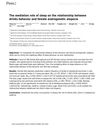
Drinking sweetened tea and late bedtimes increase the risk of hair loss in women.
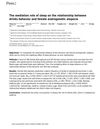
Drinking sweetened tea and poor sleep habits increase the risk of hair loss in women.
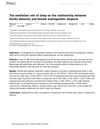
Drinking sweetened tea and poor sleep habits may increase the risk of hair loss in women.
Drinking sweetened tea and late bedtimes increase the risk of hair loss in women.
Drinking sweetened tea and poor sleep increase the risk of hair loss in women.
 August 2024 in “Scholars Journal of Applied Medical Sciences”
 Combining PRP therapy with minoxidil is the most effective treatment for hair loss in men.
 June 2024 in “Journal of Dermatology & Cosmetology”
 The FUL hair restoration technique is better for aesthetics and causes less scarring.
 March 2024 in “International journal of pharmaceutical sciences and drug research”
 Androgenetic alopecia is influenced by various factors and can be treated with medications, procedures, and non-drug methods.
 January 2024 in “Institutional Repositories DataBase (IRDB)”
 The method accurately measures steroid hormones in hair to study hormone dynamics related to hair loss.
 October 2023 in “Peer review”
 PRP is a safe and effective treatment for hair loss.
 September 2023 in “Journal of movement disorders”
 Dopaminergic therapy in Parkinson's disease patients is linked to increased hair loss.