 2 citations
,
June 2026 in “Frontiers in Science”
2 citations
,
June 2026 in “Frontiers in Science” Regulatory T cells help control the immune system and could lead to new treatments for diseases.
 1 citations
,
January 2023 in “International Journal of Molecular Sciences”
1 citations
,
January 2023 in “International Journal of Molecular Sciences” Understanding how Regulatory T Cells work could help create treatments for certain skin diseases and cancers.

Apraglutide and N-acetylcysteine (NAC) show promise in reducing cytarabine's harmful effects on organs.
4 citations
,
January 2014 in “Bone marrow transplantation” Alopecia areata can be transferred through stem cell transplants from affected siblings.
5 citations
,
August 2012 in “Archives of Dermatology” The immune system can cause permanent skin and hair whitening by attacking pigment cells.
2 citations
,
December 2010 in “Zhonghua neifenmi daixie zazhi” AHST shows promise for treating type 1 diabetes but needs more research before widespread use.
22 citations
,
October 2000 in “British Journal of Haematology” Non-myeloablative stem cell transplants are a promising, less toxic option for older or weaker patients, with fewer side effects and good outcomes.
 8 citations
,
August 2009 in “Pediatric transplantation”
8 citations
,
August 2009 in “Pediatric transplantation” A five-month-old boy with Omenn syndrome successfully recovered after a stem cell transplant with reduced intensity conditioning.
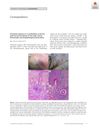 2 citations
,
June 2018 in “Clinical and Experimental Dermatology”
2 citations
,
June 2018 in “Clinical and Experimental Dermatology” Permanent hair loss after a stem cell transplant can be a sign of chronic immune system attack on the scalp.
September 2014 in “Archives of disease in childhood” A 12-year-old boy had severe shingles and skin damage after a stem-cell transplant.
2 citations
,
January 2009 in “Human cell culture”  1 citations
,
August 1988 in “Journal of The American Academy of Dermatology”
1 citations
,
August 1988 in “Journal of The American Academy of Dermatology” Hair transplantation between identical twins can successfully treat severe, nonprogressive hair loss due to follicular aplasia.
December 2023 in “Journal of Asia Pacific Aesthetic Sciences” Using one's own hair stem cells can improve hair density in Asian individuals with hair loss.
 April 2023 in “Journal of Investigative Dermatology”
 Transplanted stem cells from hair follicles significantly boosted hair growth and normalized follicles in certain mice.
4 citations
,
January 2021 in “Cell transplantation” Scientists found the best time to transplant human stem cells for hair growth is between days 16-18 when they have the right markers and growth potential.
4 citations
,
January 2016 in “Methods in molecular biology” Hair follicle stem cells can become nerve cells using specific treatments.
 1 citations
,
October 2022 in “International Journal of Molecular Sciences”
1 citations
,
October 2022 in “International Journal of Molecular Sciences” Using healthy donor stem cells can potentially calm overactive immune cells and reduce inflammation in severe hair loss patients, offering a possible treatment method.
15 citations
,
January 2015 in “Stem cells international” Human hair follicle stem cells can be turned into red blood cells.
January 2022 in “Aesthetic Plastic Surgery” 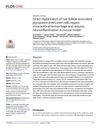 3 citations
,
January 2023 in “PloS one”
3 citations
,
January 2023 in “PloS one” Implanting hair-follicle stem cells in mice brains helped repair brain bleeding and reduced brain inflammation.
September 2025 in “PubMed” Regenerative hair transplant improves hair growth and quality using stem cells.
 January 2017 in “Journal of clinical & experimental dermatology research”
 Scientists have found a way to create hair follicles from human stem cells, which could potentially be used to treat hair loss.
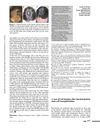 May 2018 in “European Journal of Dermatology”
 Adjusting the medication tacrolimus resolved a boy's red nail beds after a stem cell transplant.
April 2017 in “The journal of investigative dermatology/Journal of investigative dermatology” Human hair follicles can be used to create heart muscle cells.
 September 2023 in “The Journal of Dermatology”
 Transplanting one's own hair follicle cells can improve hair loss in men and women, and is particularly effective in women.
344 citations
,
June 2006 in “American Journal Of Pathology” Human hair follicles can provide stem cells for regenerative medicine.

Using scalp stem cells can improve hair transplants.
6 citations
,
November 2018 in “American journal of transplantation” UV light helped human hair transplants survive in mice without broad immunosuppression.
3 citations
,
November 2023 in “Pediatric Transplantation” Topical treatments and skin care improve transplant-related atopic dermatitis in children.
 August 2018 in “Journal of the American Academy of Dermatology”
 Patients often experience long-lasting changes to their hair after stem cell transplants.