143 citations
,
January 2007 in “The American Journal of Human Genetics” Certain genes on chromosomes 6, 10, 16, and 18 may increase the risk of alopecia areata.
8 citations
,
January 2014 in “Indian Journal of Paediatric Dermatology” Congenital atrichia with papular lesions causes permanent hair loss and skin bumps from birth.
100 citations
,
December 2002 in “Journal of biological chemistry/The Journal of biological chemistry” Researchers mapped and categorized specific keratin-associated protein genes on human chromosome 21q22.1.
 December 2022 in “Curēus”
 Genetic testing confirmed a young girl has Atrichia with Papular Lesions due to mutations in the hairless gene.
 September 2023 in “British Journal of Dermatology”
 Some cases of short anagen hair syndrome are linked to specific genetic variations that are also connected to male pattern baldness.
3 citations
,
May 2018 in “The Indian Journal of Animal Sciences” The KAP 7 gene affects wool traits in Rambouillet sheep, with the BB genotype showing the best wool characteristics.
 70 citations
,
December 2004 in “Differentiation”
70 citations
,
December 2004 in “Differentiation” The study identified and characterized new keratin genes linked to hair follicles and epithelial tissues.
 26 citations
,
December 2011 in “Journal of Investigative Dermatology”
26 citations
,
December 2011 in “Journal of Investigative Dermatology” New gene identification techniques have improved the understanding and classification of inherited hair disorders.
4 citations
,
August 2023 in “Journal of Investigative Dermatology” Certain genes influence the direction of hair whorls on the scalp.
1 citations
,
August 1981 in “The Journal of Dermatology” All major hair defects involve cuticle abnormalities.
28 citations
,
December 1997 in “Journal of Biological Chemistry” A genetic mutation in the hHa1 gene creates a smaller, but still functional, hair protein without causing hair problems.
35 citations
,
April 2008 in “Journal of Biological Chemistry” Hirosaki hairless rats lack hair due to missing DNA with key keratin genes.
11 citations
,
November 2019 in “The FASEB Journal” A mutation in the MAP2 gene causes reduced hair follicle density, leading to hairlessness.
51 citations
,
January 2007 in “The journal of investigative dermatology/Journal of investigative dermatology” Scientists discovered a unique hair protein, KAP24.1, with a special structure, found only in the upper part of hair cuticles.
A 5 cm hair sample can reveal blood type and keratin type for forensic use.
8 citations
,
April 1997 in “Experimental Dermatology” hHbl gene is active in hair shaft cells and some pilomatricomas.
15 citations
,
January 1991 in “Mammalian Genome” 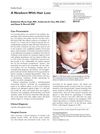 1 citations
,
February 2013 in “Clinical pediatrics”
1 citations
,
February 2013 in “Clinical pediatrics” The baby’s hair loss was due to a rare genetic condition, not treatable by usual methods.
107 citations
,
October 2014 in “PeerJ” Hair's molecular structure is mostly consistent, but genetic differences affect lipid types, which could help diagnose diseases.
 May 2012 in “Nature Genetics”
 Blond hair in Solomon Islanders is due to a unique genetic variant, not European ancestry.
21 citations
,
June 2009 in “Mammalian genome” A new mutation in the Hr gene causes hair loss in mice, similar to a human hair disorder.
34 citations
,
January 2004 in “Genomics” A cluster of 21 keratin-associated protein genes important for hair growth was found on human chromosome 21.
6 citations
,
April 2023 in “Current Issues in Molecular Biology” A specific gene variant may increase the risk of developing Alopecia Areata.
April 2017 in “The journal of investigative dermatology/Journal of investigative dermatology” A girl with excessive hair growth had a genetic change on chromosome 17 that reduced the activity of two genes linked to hair growth.
54 citations
,
January 1995 in “Human Molecular Genetics” Monilethrix is linked to a gene cluster on chromosome 12.
 November 2025 in “Clinical Cosmetic and Investigational Dermatology”
 LIPH mutations cause woolly hair in some Chinese people.
 9 citations
,
February 2005 in “The journal of investigative dermatology/Journal of investigative dermatology”
9 citations
,
February 2005 in “The journal of investigative dermatology/Journal of investigative dermatology” The document concludes that the human keratin gene cluster is complex, with a need for updated naming to reflect over 50 functional genes important for hair and skin biology.
2 citations
,
March 2024 in “Pediatric Dermatology” Two siblings have a rare hair condition caused by a new genetic variant.
33 citations
,
October 2005 in “Journal of Investigative Dermatology” A specific gene mutation causes sparse, brittle hair in a family.
76 citations
,
February 1993 in “Journal of Biological Chemistry” KAP6 genes are conserved across species and active in hair follicles.