January 2026 in “Journal of Investigative Dermatology” Special cells can help regrow hair in alopecia areata.
November 2025 in “Clinics and Practice” Red ink tattoos can cause severe skin reactions and complications, especially in those with autoimmune tendencies.
November 2025 in “Journal of Clinical Medicine” Alopecia areata patients should have eye check-ups due to increased risk of eye problems.
High CCL11 levels may indicate poor response to baricitinib in severe alopecia areata.
July 2025 in “Preprints.org” Specific miRNA profiles can help diagnose and treat alopecia areata.
July 2024 in “International Journal of Molecular Sciences” MicroRNAs could help assess and manage multiple chronic diseases.
 February 2024 in “Biomedicines”
 Hormones like androgens, estrogen, thyroid hormones, and stress hormones can contribute to hair loss, and treatments target these hormonal imbalances.
January 2024 in “Biomedicines” The review shows that skin symptoms like chronic fungal infections, hair loss, and skin depigmentation are key for early detection and management of APECED.
 August 2023 in “Tzu Chi Medical Journal”
 Iron deficiency is the main cause of hair loss in women, and iron supplements started within 6 months can improve hair health.
1 citations
,
April 2024 in “Journal of Clinical Medicine” Alopecia areata patients have eye issues and need regular eye exams.
16 citations
,
January 2022 in “International journal of molecular sciences” Certain daily habits like stress, diet, and sleep can affect the severity of hair loss in alopecia areata.
6 citations
,
April 2024 in “Health Science Reports” Younger patients with severe alopecia areata often have nail problems.
 4 citations
,
September 2021 in “Dermatopathology”
4 citations
,
September 2021 in “Dermatopathology” The conclusion is that Erosive Pustular Dermatosis of the Scalp is a rare condition best treated with strong topical steroids and sometimes systemic treatment.
3 citations
,
June 2023 in “Molecules/Molecules online/Molecules annual” Cepharanthine has many medicinal uses but needs improvement for better effectiveness.
 1 citations
,
December 2022 in “Life”
1 citations
,
December 2022 in “Life” Topical corticosteroids are the main treatment for Erosive Pustular Dermatosis, but recurrence is common after stopping treatment.
1 citations
,
September 2025 in “JAAD reviews.” Janus kinase inhibitors are effective for severe alopecia areata, promoting hair regrowth.
 April 2026 in “Diagnostics”
 Parry–Romberg Syndrome can involve the brain even without obvious symptoms, and a new diagnostic framework is suggested for early detection.
October 2025 in “International Journal of Molecular Sciences” Stem cells have great potential for treating various medical conditions.
August 2025 in “Frontiers in Immunology” Primary cicatricial alopecia is linked to various health issues, indicating broader systemic problems.
 December 2024 in “Archives of Dermatological Research”
 COVID-19 vaccines do not increase the risk of alopecia areata.
 January 2017 in “Journal of Investigative Dermatology Symposium Proceedings”
 The 2015 Hair Research Congress concluded that stem cells, maraviroc, and simvastatin could potentially treat Alopecia Areata, topical minoxidil, finasteride, and steroids could treat Frontal Fibrosing Alopecia, and PTGDR2 antagonists could also treat alopecia. They also found that low-level light therapy could help with hair loss, a robotic device could assist in hair extraction, and nutrition could aid hair growth. They suggested that Alopecia Areata is an inflammatory disorder, not a single disease, indicating a need for personalized treatments.
February 2025 in “Diagnostics” Most patients improved in both atopic dermatitis and alopecia areata with certain treatments, but some had worsened symptoms, suggesting personalized care is needed.
20 citations
,
September 2003 in “Journal of Investigative Dermatology” Targeting MIG and MCP-1 may help treat inflammation in alopecia areata.
 January 2023 in “Karger Kompass. Dermatologie”
 Scientists are still unsure what triggers the immune system to attack hair follicles in Alopecia areata.
 2 citations
,
March 2021 in “Cutis”
2 citations
,
March 2021 in “Cutis” Some breast cancer treatments, like taxanes, can cause long-term hair loss.
research 1249
December 2012 in “Critical Care Medicine” Recognizing myxedema coma is crucial due to its high risk and unusual symptoms.
March 2026 in “Pediatrics in Review” The boy's symptoms improved with thyroid treatment, and he lost weight, but occasional palpitations persisted.
29 citations
,
February 1989 in “Journal of Cutaneous Pathology” A unique hair tumor with a rippled pattern was identified, showing incomplete differentiation and unusual cell arrangements.
21 citations
,
April 2000 in “Journal of Cutaneous Pathology” The hamartoma is an abnormal hair growth with limited development in the upper hair follicle.
 39 citations
,
July 2015 in “British Journal of Dermatology”
39 citations
,
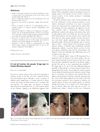
July 2015 in “British Journal of Dermatology” The pseudo 'fringe sign' can also appear in frontal fibrosing alopecia, not just in traction alopecia, showing that this condition may be more common than thought.