 January 2021 in “Research Square (Research Square)”
 Rabbits with high wool production have more hair follicles, influenced by specific long noncoding RNAs.
 7 citations
,
February 2019 in “International Journal of Dermatology”
7 citations
,
February 2019 in “International Journal of Dermatology” Gray hair is caused by reduced melanin production or transfer issues, linked to aging and possibly health conditions, with treatments focusing on color camouflage.
 1 citations
,
January 2012 in “Elsevier eBooks”
1 citations
,
January 2012 in “Elsevier eBooks” The document concludes that the skin is a complex organ providing protection, sensation, and healing, with challenges in treating conditions like itchiness.
 December 2025 in “Al-Iraqia Medical College Journal”
 Virus infection risk is linked to heat tolerance and size, but decreases with high humidity and mutation rate.
 25 citations
,
June 2014 in “Journal of Endocrinology/Journal of endocrinology”
25 citations
,
June 2014 in “Journal of Endocrinology/Journal of endocrinology” Human sebaceous glands contain enzymes that affect androgen production and may influence sebum production and acne.
New treatments for vitiligo may focus on protecting melanocyte stem cells from stress and targeting specific pathways involved in the condition.
 9 citations
,
June 2020 in “Animal genetics”
9 citations
,
June 2020 in “Animal genetics” Scientists found genes linked to hair length in Brangus cattle that could help breed heat-tolerant cattle.
 9 citations
,
November 2012 in “Biomolecules & therapeutics”
9 citations
,
November 2012 in “Biomolecules & therapeutics” A compound from brown algae boosts the production of a certain inflammatory substance in skin cells.
![Integrating Multi-Omics Analyses of Nonomuraea Dietziae to Reveal the Role of Soybean Oil in [(4′-OH)MeLeu]4-CsA Overproduction](/images/assets/0eba9759-3aa4-4a06-a70a-2d9c46be53f3/small/23018.jpg) 1 citations
,
July 2017 in “Microbial Cell Factories”
1 citations
,
July 2017 in “Microbial Cell Factories” Adding soybean oil to Nonomuraea dietziae increases production of a beneficial compound by improving metabolism and enzyme systems.
 306 citations
,
April 2019 in “International Journal of Molecular Sciences”
306 citations
,
April 2019 in “International Journal of Molecular Sciences” The skin has a complex immune system that is essential for protection and healing, requiring more research for better wound treatment.
 120 citations
,
April 2009 in “Food Chemistry”
120 citations
,
April 2009 in “Food Chemistry” Hibiscus plant extracts may have health benefits like lowering blood pressure and protecting the heart.
 16 citations
,
December 2019 in “Animals”
16 citations
,
December 2019 in “Animals” Overexpressing Tβ4 in goats' hair follicles increases cashmere production and hair follicle growth.
 16 citations
,
August 2015 in “Journal of Experimental & Clinical Cancer Research”
16 citations
,
August 2015 in “Journal of Experimental & Clinical Cancer Research” The photolyase-based device significantly changed the size and heat of potential skin cancer areas in patients.
 2 citations
,
December 1983 in “Outlook on Agriculture”
2 citations
,
December 1983 in “Outlook on Agriculture” Plant hormones have potential in agriculture to increase food production but require more research for effective use.
Avicennia Marina extract and avicequinone C can reduce hair loss hormone production and increase hair growth factors, suggesting they could be used to treat androgenic alopecia.
 7 citations
,
December 2015 in “Journal of thermal biology”
7 citations
,
December 2015 in “Journal of thermal biology” Scalp cooling devices need to be powerful enough to overcome heat loss and reach the right temperature to prevent hair loss from chemotherapy.
 27 citations
,
August 2006 in “Laboratory Investigation”
27 citations
,
August 2006 in “Laboratory Investigation” SCF and ET-1 together significantly increase skin pigmentation and melanin production.
 1 citations
,
December 2024 in “Scientific Data”
1 citations
,
December 2024 in “Scientific Data” Researchers identified key molecular changes in goat hair follicles that could improve cashmere production.
 6 citations
,
July 2006 in “International Journal of Dermatology”
6 citations
,
July 2006 in “International Journal of Dermatology” Football players can get many skin conditions from their sport, which need different treatments and can be prevented with good hygiene and protection.
 4 citations
,
July 2025 in “International Journal of Nanomedicine”
4 citations
,
July 2025 in “International Journal of Nanomedicine” Nano-quercetin improves quercetin's effectiveness in treating diseases but faces challenges in safety and production.
 17 citations
,
January 2019 in “International journal of biological sciences”
17 citations
,
January 2019 in “International journal of biological sciences” Researchers used CRISPR/Cas9 to create a goat with a gene that increased cashmere production by 74.5% without affecting quality.
 3 citations
,
May 2011 in “Medical Hypotheses”
3 citations
,
May 2011 in “Medical Hypotheses” Transnasal cooling could reveal new insights into various physiological conditions and may be a natural way to transfer heat from the brain.
 195 citations
,
January 2008 in “Photochemistry and Photobiology”
195 citations
,
January 2008 in “Photochemistry and Photobiology” Visible light can damage skin and most sunscreens don't block it well; more research is needed on its effects and protection methods.
 September 2025 in “Clinical Cosmetic and Investigational Dermatology”
 Moderate exercise improves skin health, but intense exercise without protection can harm it.

Four genes are linked to alopecia areata, with two increasing risk and two offering protection.
 117 citations
,
November 2006 in “Experimental Dermatology”
117 citations
,
November 2006 in “Experimental Dermatology” The article concludes that the wool follicle is a valuable model for studying tissue interactions and has potential for genetic improvements in wool production.
 103 citations
,
March 2011 in “PLoS Biology”
103 citations
,
March 2011 in “PLoS Biology” Birds can lose neck feathers due to a genetic change that increases a gene's activity, helping them adapt to heat.
 January 2016 in “Springer eBooks”
 A 19-year-old male with delayed puberty was successfully treated for a condition that prevents normal hormone production.
 67 citations
,
February 2020 in “Journal of Ginseng Research”
67 citations
,
February 2020 in “Journal of Ginseng Research” Korean Red Ginseng has beneficial components that help with stress, immunity, fatigue, memory, blood flow, and disease protection.
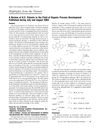 2 citations
,
October 2004 in “Organic Process Research & Development”
2 citations
,
October 2004 in “Organic Process Research & Development” The document reviews 20 U.S. patents from July and August 2004 about new drug forms, cancer treatments, aroma chemicals, statin drugs, and various chemical production methods.