13 citations
,
February 2021 in “Brain Sciences” Androgens improve memory in adolescent male rats by acting on brain receptors.
8 citations
,
March 2024 in “Regenerative Therapy” Delivering IGF-1 with PLGA microspheres improves stem cell regeneration for tissues.

Research on platelet-rich plasma is growing, focusing on joint repair and future trends in pain and regenerative medicine.
 August 2023 in “Journal of analytical & pharmaceutical research”
 Microneedle-assisted therapy with human basic fibroblast growth factor significantly regrew hair in patients with hair loss.
 April 2018 in “Journal of Investigative Dermatology” April 2017 in “Journal of dermatological science”
 Human hair follicles can produce stem cells that turn into heart muscle cells.
September 2016 in “Journal of Dermatological Science” Hair follicle stem cells can become heart muscle cells.
71 citations
,
January 2012 in “PloS one” The conclusion is that genetic differences affect how the cochlea heals after hair cell loss, which may challenge the creation of hearing loss treatments.
13 citations
,
May 2017 in “Current Protocols in Stem Cell Biology” A method was developed to isolate and study hair follicle stem cells from mouse skin.
16 citations
,
June 1992 in “Journal of Investigative Dermatology”  7 citations
,
January 2016 in “Methods in molecular biology”
7 citations
,
January 2016 in “Methods in molecular biology” Mouse hair follicle stem cells were successfully isolated and used to regenerate hair follicles with two different methods.
 2 citations
,
September 2022 in “Organoid”
2 citations
,
September 2022 in “Organoid” A new method was developed to efficiently grow skin hair follicles from stem cells, potentially aiding alopecia treatment.
 23 citations
,
May 2013 in “Virology”
23 citations
,
May 2013 in “Virology” HPV16 oncogenes disrupt the normal activity of hair follicle stem cells.
21 citations
,
October 2010 in “Encyclopedia of Life Sciences” Histocultures help personalize cancer treatments, study hair growth, and explore immune responses.
162 citations
,
December 2008 in “Stem Cells” Hair follicle stem cells can become corneal-like cells, potentially helping restore vision.
 2 citations
,
June 2012 in “Journal of Dermatological Science”
2 citations
,
June 2012 in “Journal of Dermatological Science” The gene HDC is important for the development of hair follicles in newborn mice.
12 citations
,
February 2023 in “Stem Cell Research & Therapy” HGF-modified hair follicle stem cells help brain recovery after injury in rats.
July 2025 in “PNAS Nexus” A new tool accurately identifies human cornea cell states and key factors.
88 citations
,
January 1981 in “British Journal of Dermatology” A new method helps grow human hair cells using a cow eye lens.
70 citations
,
November 2020 in “The Ocular Surface” Organoids and organ chips can improve eye disease research and treatment.
2 citations
,
January 2016 Rat hair follicle stem cells can be successfully cultured and may be useful for creating tissue-engineered hair, vessels, and skin.
99 citations
,
September 2004 in “Development” Proper hedgehog signaling is crucial for maintaining healthy skin stem cells.
 January 2017 in “Journal of clinical & experimental dermatology research”
 Scientists have found a way to create hair follicles from human stem cells, which could potentially be used to treat hair loss.
64 citations
,
May 2015 in “Cell Cycle” Hair follicle stem cells can become heart muscle cells.
13 citations
,
September 2014 in “Birth defects research” Human epidermal neural crest stem cells could be used for therapies, drug discovery, and disease modeling.
 June 2026 in “Scientific Reports”
 Nestin-expressing hair follicle cells may be useful for nerve repair and regeneration.
January 2016 in “Methods in molecular biology” HAP stem cells in hair follicles could help repair nerves and spinal cords.
 16 citations
,
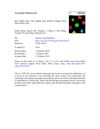
February 2019 in “Gene”
16 citations
,
February 2019 in “Gene” Researchers found a good way to isolate hair follicle stem cells from newborn goats for further study.
April 2017 in “Journal of Investigative Dermatology” Certain compounds can protect hair cells from aging and promote growth.
Human hair follicle stem cells can be enriched by sticking to type IV collagen.