Hair loss causes significant psychological distress.
 September 2022 in “IP Indian journal of clinical and experimental dermatology”
 An 8-year-old girl has a rare genetic disorder causing complete, irreversible hair loss and skin bumps.
May 2026 in “Acta Dermato Venereologica” Stress is often linked to alopecia areata, and education can help patients cope better.

The document cannot be understood or processed.
August 2023 in “Farmacja Polska” Hair loss significantly lowers quality of life for cancer patients.
January 2017 in “Digital Commons - University of South Florida (University of South Florida)” Hair loss from chemotherapy causes significant distress and affects social roles for ovarian and uterine cancer patients.
 128 citations
,
February 2016 in “British Journal of Dermatology”
128 citations
,
February 2016 in “British Journal of Dermatology” Alopecia areata significantly lowers the quality of life, especially in emotional and mental health aspects.
March 2005 in “Journal of the American Academy of Dermatology” Hair loss affects men's physical health and women's mental health differently.
37 citations
,
August 1999 in “Journal of Investigative Dermatology” A specific gene mutation causes complete hair loss without other health issues.
January 2005 in “International Society of Hair Restoration Surgery” Addressing emotional effects can help people cope with hair loss.

Alopecia can negatively affect a person's mental health.

Hair loss can make people feel less attractive and confident, leading them to try many treatments.
Chronic hair diseases can severely impact mental health and self-confidence.
 44 citations
,
August 2010 in “Journal of Investigative Dermatology”
44 citations
,
August 2010 in “Journal of Investigative Dermatology” Alopecia areata seriously lowers quality of life, especially affecting self-image, mental health, and social life.
January 2015 in “Faculty of 1000 Research Ltd” Androgenetic alopecia may be irreversible due to the detachment of a muscle from hair follicles.
 9 citations
,
January 2001 in “Dermatology”
9 citations
,
January 2001 in “Dermatology” Pili anulati may cause hair loss, proper diagnosis and treatment needed.
1 citations
,
January 2025 in “Discrete and Continuous Dynamical Systems - B” Sparse hairless patches can develop and stabilize in alopecia areata under certain conditions.
 September 2022 in “Journal of Investigative Dermatology”
 Patient-reported outcomes better reflect the quality of life impact of alopecia areata than traditional severity scores.
39 citations
,
January 2023 in “Journal of the European Academy of Dermatology and Venereology” Alopecia areata significantly worsens quality of life in children, causing embarrassment and social issues.
2 citations
,
September 2024 in “International Journal of Dermatology” Children with alopecia areata and their caregivers experience significant emotional and quality of life challenges.
June 2024 in “British Journal of Dermatology” Alopecia areata greatly affects quality of life, especially mental health, and newer assessment tools better capture this impact than older ones.
20 citations
,
August 2015 in “Behaviour change” Cognitions significantly influence Trichotillomania, suggesting cognitive therapies could help.
December 2021 in “BMJ Open” Androgenetic alopecia in men aged 46 is not significantly linked to depression, anxiety, quality of life, self-esteem, or sexual symptoms.
 7 citations
,
February 2006 in “Psychological Reports”
7 citations
,
February 2006 in “Psychological Reports” Hair loss discovery causes stress; talking to dermatologists helps.
 47 citations
,
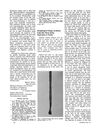
July 1967 in “Science”
47 citations
,
July 1967 in “Science” Not eating enough protein can cause hair roots to shrink and lose color, and hair to become thinner.
Malnourished people have weaker hair that is easier to pluck.
3 citations
,
July 2024 in “Journal of Health Psychology” Baldness is often stigmatized, causing distress for many men, but some accept it with minimal distress.
 March 2021 in “Journal of The European Academy of Dermatology and Venereology”
 Low quality of life and high HSS-29 scores increase risk of losing patients during treatment.
February 2024 in “European Journal of Health Psychology” People with alopecia areata often cope by seeking support, changing perspectives, using cosmetics, and getting medical help.
31 citations
,
October 2002 in “Journal of Investigative Dermatology” IL-10 may worsen alopecia areata instead of helping it.