 8 citations
,
August 2009 in “Pediatric transplantation”
8 citations
,
August 2009 in “Pediatric transplantation” A five-month-old boy with Omenn syndrome successfully recovered after a stem cell transplant with reduced intensity conditioning.
 5 citations
,
October 2018 in “American Journal of Clinical Dermatology”
5 citations
,
October 2018 in “American Journal of Clinical Dermatology” Skin problems are common after stem cell transplants, and early treatment by dermatologists can improve patient outcomes.
 4 citations
,
February 2022 in “JAAD case reports”
4 citations
,
February 2022 in “JAAD case reports” The document concludes that low-dose oral minoxidil successfully regrew hair in a patient with permanent hair loss after chemotherapy and stem cell transplant.
January 2026 in “International Journal of Molecular Sciences” Eyebrow follicles are best for accurate genetic testing after stem cell transplants.
 September 2025 in “PubMed”
 Hair miniaturization is the main cause of long-term hair loss after stem cell transplantation and chemotherapy, and treatments like topical minoxidil can help improve hair volume.
 May 2018 in “European Journal of Dermatology”
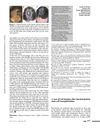
 Adjusting the medication tacrolimus resolved a boy's red nail beds after a stem cell transplant.
December 2025 in “Asthma Allergy Immunology” Hematopoietic stem cell transplantation does not significantly affect COVID-19 severity in children with immune disorders.
 August 2018 in “Journal of the American Academy of Dermatology”
 Patients often experience long-lasting changes to their hair after stem cell transplants.
September 2014 in “Archives of disease in childhood” A 12-year-old boy had severe shingles and skin damage after a stem-cell transplant.
 16 citations
,
March 2017 in “Bone Marrow Transplantation”
16 citations
,
March 2017 in “Bone Marrow Transplantation” Some children who had stem cell transplants developed permanent hair loss, especially when treated with a drug called busulphan.
1 citations
,
August 2019 in “Chinese Medical Journal” A man developed facial skin lesions after a stem cell transplant, which improved with specific treatments.
 7 citations
,
March 2018 in “Journal of The American Academy of Dermatology”
7 citations
,
March 2018 in “Journal of The American Academy of Dermatology” Skin changes like hair loss, white patches, and nail changes are common in children after bone marrow transplants, often linked to chronic rejection.
2 citations
,
December 2010 in “Zhonghua neifenmi daixie zazhi” AHST shows promise for treating type 1 diabetes but needs more research before widespread use.
Rehabilitation improved patients' mobility but did not reduce 30-day hospital readmission rates after stem cell transplants.
5 citations
,
August 2012 in “Archives of Dermatology” The immune system can cause permanent skin and hair whitening by attacking pigment cells.
May 2026 in “Science Advances” Caloric stress and differentiation increase IRES translation, affecting stem cell function and potential therapies.
 2 citations
,
May 2017 in “The Journal of Dermatology”
2 citations
,
May 2017 in “The Journal of Dermatology” A Japanese bone marrow transplant patient developed a rare skin cancer possibly linked to long-term use of the medication voriconazole.
 9 citations
,
March 2011 in “Current Pharmaceutical Biotechnology”
9 citations
,
March 2011 in “Current Pharmaceutical Biotechnology” Stem cell therapies show promise for treating various diseases but face challenges in clinical use and require better monitoring techniques.
 29 citations
,
March 2012 in “Stem Cell Research & Therapy”
29 citations
,
March 2012 in “Stem Cell Research & Therapy” Some stem cells in the body rarely divide, which could help create better treatments for diseases and aging.
March 2022 in “Authorea (Authorea)” Chemotherapy for leukemia led to full hair regrowth in a child with alopecia totalis.
 15 citations
,
May 2021 in “British journal of dermatology/British journal of dermatology, Supplement”
15 citations
,
May 2021 in “British journal of dermatology/British journal of dermatology, Supplement” Cell therapy shows promise for treating severe psoriasis but needs more research to confirm safety and effectiveness.
 3 citations
,
May 2019 in “Cytotherapy”
3 citations
,
May 2019 in “Cytotherapy” ATIR101 improves survival in stem cell transplant patients; Australian stem cell treatment decisions are influenced by regulation changes.
 39 citations
,
May 2004 in “Clinics in Dermatology”
39 citations
,
May 2004 in “Clinics in Dermatology” The document concludes that treatment for cutaneous T-cell lymphoma should be customized to each patient's disease stage, balancing benefits and side effects, with no cure but many patients living long lives.
 5 citations
,
February 2022 in “Supportive Care in Cancer”
5 citations
,
February 2022 in “Supportive Care in Cancer” Older age is the main risk factor for hemorrhagic cystitis after stem cell transplants.
3 citations
,
November 2023 in “Pediatric Transplantation” Topical treatments and skin care improve transplant-related atopic dermatitis in children.
 April 2012 in “Annals of Neurosciences”
 The document concludes that stem cell therapies lack solid proof of effectiveness, except for blood system treatments, and criticizes the ethical issues and commercial exploitation in the field.
 2 citations
,
October 2021 in “Research Square (Research Square)”
2 citations
,
October 2021 in “Research Square (Research Square)” Older age and prostatic hyperplasia in males increase the risk of hemorrhagic cystitis after stem cell transplantation.
 9 citations
,
October 2017 in “Translational pediatrics”
9 citations
,
October 2017 in “Translational pediatrics” Pediatric endocrinologists should provide early fertility counseling and preservation options to young patients at risk of infertility.
 2 citations
,
May 2018 in “Expert opinion on orphan drugs”
2 citations
,
May 2018 in “Expert opinion on orphan drugs” Newborn screening and gene therapy are expected to improve outcomes for Omenn syndrome patients.
1 citations
,
February 2023 in “Pediatric Dermatology” Early recognition of symptoms is crucial for treating IPEX syndrome with a stem cell transplant.