29 citations
,
March 2016 in “Dermatologic therapy” Platelet-rich plasma may successfully treat lichen planopillaris, as shown by one patient's symptom regression.
July 2025 in “Journal of Investigative Dermatology” April 2015 in “Journal of the American Academy of Dermatology” The woman likely has secondary syphilis, treatable with penicillin.
18 citations
,
April 2010 in “Archives of Dermatology” Psoriasis or contact dermatitis can override alopecia areata, allowing hair growth.
July 2024 in “Journal of Investigative Dermatology” Spontaneous keloids may be linked to nephrogenic systemic fibrosis in dialysis patients.
 6 citations
,
January 2014 in “Clinical hemorheology and microcirculation”
6 citations
,
January 2014 in “Clinical hemorheology and microcirculation” Hereditary elliptocytosis causes elongated red blood cells and can lead to mild or no symptoms.
 9 citations
,
April 2024 in “Cureus”
9 citations
,
April 2024 in “Cureus” Vogt-Koyanagi-Harada disease affects vision and skin, mainly in people with darker skin, and is treated with steroids and immunosuppressants.
1 citations
,
August 2019 in “Chinese Medical Journal” A man developed facial skin lesions after a stem cell transplant, which improved with specific treatments.
4 citations
,
September 2015 in “JAAD case reports” Substance P may play a role in the inflammation seen in keratosis follicularis spinulosa decalvans.
 10 citations
,
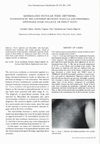
May 1978 in “Acta Dermato Venereologica”
10 citations
,
May 1978 in “Acta Dermato Venereologica” Pustules in toxic erythema are linked to hair follicles or sweat ducts.
February 2022 in “Authorea (Authorea)” PAON shows skin patterns due to genetic mosaicism.
 November 2022 in “The journal of investigative dermatology/Journal of investigative dermatology”
 Skin organoids with NCSTN mutation show changes in hair follicle development and higher inflammation, key features of Hidradenitis Suppurativa.
 September 2016 in “Journal of The American Academy of Dermatology”
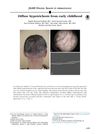
 The girl has a genetic hair condition causing thin hair since childhood.
 May 2025 in “The Journal of Rheumatology”
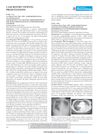
 SLE can cause unusual gastrointestinal symptoms, and immunosuppressive therapy can be effective.
 June 2023 in “GSC Advanced Research and Reviews”
 Hutchinson-Gilford Progeria Syndrome causes rapid aging from a genetic mutation, with no cure but ongoing research into potential treatments.
November 2025 in “Journal of Investigative Dermatology” KLHL24-mutant stem cells help understand skin and heart disease.
November 2012 in “Annales de Dermatologie et de Vénéréologie” Frontal fibrosing alopecia can occur in children, not just postmenopausal women.
 January 2011 in “Journal of The American Academy of Dermatology”
 Treating generalized granuloma annulare is difficult, with PUVA being the most effective option, but relapses are common.
 1 citations
,
July 2014 in “Nepal journal of dermatology, venereology & leprology”
1 citations
,
July 2014 in “Nepal journal of dermatology, venereology & leprology” Patients with chronic kidney disease on hemodialysis often have skin problems.

Melanocytes can regenerate around hair follicles in bullous pemphigoid, especially in patients with darker skin.
10 citations
,
February 2022 in “JEADV Clinical Practice” Dermoscopy helps diagnose and classify rosacea by revealing key features.
 August 2022 in “JAAD case reports”
 A woman with a long-term skin condition developed a serious skin cancer that led to her death.
27 citations
,
February 1988 in “Journal of the American Academy of Dermatology” The skin condition Ulerythema ophryogenes did not improve with treatment in a patient with other birth defects.
 September 2022 in “Anais Brasileiros de Dermatologia”
 Dermoscopy helped diagnose a rare skin disease which slightly improved with treatment.
January 2026 in “International Journal of Rheumatic Diseases” The painting may show signs of lupus, like a butterfly-shaped rash.
 April 2023 in “Journal of Investigative Dermatology”
 POUF51 and HES3 are key in controlling stem cell numbers in psoriasis.
 12 citations
,
January 2014 in “Annals of Dermatology”
12 citations
,
January 2014 in “Annals of Dermatology” Modified superoxide dismutase may trigger an autoimmune response in alopecia areata.
April 2026 in “Journal of Cutaneous Pathology” Alopecia can be caused by multicentric reticulohistiocytosis.
August 2021 in “Indian dermatology online journal” A young boy with a rare skin and nail condition improved significantly with simple topical treatments.
 August 2018 in “Journal of The American Academy of Dermatology”
 A 54-year-old man with painful skin blisters and fever was diagnosed with Sweet syndrome and successfully treated with corticosteroids.