 21 citations
,
January 2006 in “Pediatrics”
21 citations
,
January 2006 in “Pediatrics” Some diseases can improve the outcomes of other diseases, leading to new treatment possibilities.
 August 2025 in “Cermin Dunia Kedokteran”
 HMPV causes respiratory infections, mainly managed with supportive care, and lacks a vaccine or specific treatment.
 32 citations
,
March 2021 in “Journal of cosmetic dermatology (Print)”
32 citations
,
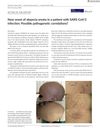
March 2021 in “Journal of cosmetic dermatology (Print)” COVID-19 infection may trigger alopecia areata in some patients.
 7 citations
,
September 2013 in “Current Dermatology Reports”
7 citations
,
September 2013 in “Current Dermatology Reports” Some skin medications are safe for pregnant women, but others pose risks or should not be used.
 November 2024 in “International Journal of Agricultural Invention”
 Amla is a nutritious fruit with many health benefits, including boosting immunity and fighting diseases.
 September 2022 in “Frontiers in genetics”
 A Chinese male with a new genetic mutation has a skin condition and severe urinary issues, with treatments having mixed success.
 47 citations
,
January 2021 in “Fertility and Sterility”
47 citations
,
January 2021 in “Fertility and Sterility” COVID-19 might affect male fertility, but more research is needed to understand the full impact.
 January 2025 in “Drug repurposing”
 New drug uses show promise but need more research.
 June 2020 in “Journal of Dermatological Treatment”
 Use telemedicine and strict hygiene for safe hair and scalp treatments during COVID-19.
 June 1996 in “Irish Journal of Medical Science (1971 -)”
 The document summarizes medical findings on topics like heart rhythm treatment, sleep apnea therapy, and various health conditions and treatments.
 34 citations
,
September 2020 in “BMC Endocrine Disorders”
34 citations
,
September 2020 in “BMC Endocrine Disorders” Existing drug dexamethasone may lower death risk in severe COVID-19 cases; more research needed for other drugs.
COVID-19 may trigger or worsen rapid hair loss in alopecia areata.
1 citations
,
January 2024 in “Microorganisms” Mice with a virus similar to COVID-19 had skin damage, but a special treatment helped repair it.
52 citations
,
September 2022 in “Viruses” SARS-CoV-2 proteins help the virus avoid the immune system, delaying response and increasing inflammation.
5 citations
,
December 2022 in “Viruses” Antiandrogens may help prevent or treat COVID-19 by blocking virus entry into cells.
March 2026 in “Virulence” Vimentin and keratin help viruses spread and could be targets for antiviral treatments.
 March 2025 in “Nature Communications”
 NSC167409 can effectively inhibit the virus causing hand, foot, and mouth disease.
42 citations
,
April 2021 in “Pharmaceuticals” Five FDA-approved drugs may help block COVID-19 virus entry.
4 citations
,
January 2021 in “Genetics and Molecular Biology” COVID-19 treatments and vaccines face challenges due to genetic differences in people and the virus.
 20 citations
,
June 2022 in “Molecules”
20 citations
,
June 2022 in “Molecules” Thiazole, a sulfur and nitrogen chemical, is useful in creating potential drugs for conditions like seizures, cancer, bacterial infections, tuberculosis, inflammation, malaria, viruses, Alzheimer's, diabetes, and A1-receptor issues.
55 citations
,
April 2022 in “Frontiers in Immunology” Cholesterol affects coronavirus spread and could be a target for treatment.
3 citations
,
November 2024 in “Viruses” Cepharanthine may help treat Equid herpesvirus type 8 by reducing oxidative stress.
October 2025 in “Influenza and Other Respiratory Viruses” Certain alkaloids could help create new coronavirus drugs.
53 citations
,
December 2012 in “Revista da Sociedade Brasileira de Medicina Tropical” Dengue symptoms and liver issues can persist for over two months, especially in men.
2 citations
,
April 2020 in “International Journal of Dermatology and Venereology” Beta-HPV and MCPyV are linked to certain skin cancers, with ongoing research and vaccine development.
 February 2022 in “Journal of clinical research and reports”
 Plasma therapy is becoming more popular for treating viral infections, skin conditions, and orthopedic issues, and is expected to grow in the healthcare market.
55 citations
,
October 2020 in “Frontiers in Pharmacology” Targeting endolysosomes may help treat COVID-19.
 52 citations
,
January 2022 in “Current Research in Pharmacology and Drug Discovery”
52 citations
,
January 2022 in “Current Research in Pharmacology and Drug Discovery” New treatments for COVID-19 show promise, but more effective antiviral drugs are needed.
 9 citations
,
January 2020 in “Critical Reviews in Immunology”
9 citations
,
January 2020 in “Critical Reviews in Immunology” MAIT cells may help fight COVID-19 but also contribute to severe inflammation.
 January 2024 in “Future postharvest and food”
 Frankincense may help treat COVID-19, but more research is needed.