 7 citations
,
November 2017 in “Cureus”
7 citations
,
November 2017 in “Cureus” Ear creases might indicate heart disease risk, needing more research.
37 citations
,
December 2003 in “Reproductive Toxicology” The assay effectively detects hormonal activity of certain chemicals.
 3 citations
,
March 2014 in “Annals of Hepatology”
3 citations
,
March 2014 in “Annals of Hepatology” A man lost all his hair after stopping hepatitis C treatment and it didn't grow back.
December 2025 in “Drug Testing and Analysis” Hair testing is crucial for forensic science and public health.
February 2004 in “Frontiers in Ecology and the Environment” Eating too much fish can lead to mercury poisoning.
October 2025 in “Frontiers in Toxicology” A new method effectively predicts estrogen-related health effects for early screening.
 49 citations
,
June 1998 in “Journal of Endocrinological Investigation”
49 citations
,
June 1998 in “Journal of Endocrinological Investigation” Cyproterone acetate plus ethinyl estradiol is generally more effective in treating hirsutism, but consider side effects and patient characteristics.
 August 2025 in “Cermin Dunia Kedokteran”
 HMPV causes respiratory infections, mainly managed with supportive care, and lacks a vaccine or specific treatment.

Erythropoietin overexpression disrupts hair growth and fat formation in mice.
 August 2009 in “Australian Prescriber”
 Eculizumab helps reduce blood transfusions and stabilize hemoglobin but increases infection risk and is expensive.
 March 2020 in “Journal of lasers in medical sciences”
 Laser therapy on human skin affects the HERC6 gene and related genes, influencing many cell processes and requiring careful safety measures.
 1 citations
,
June 2024 in “PLoS ONE”
1 citations
,
June 2024 in “PLoS ONE” HAP-cell-sheets improved wound healing in diabetic mice.
1 citations
,
January 1987 in “PubMed” Candida was found in most heroin users with folliculitis.
 1 citations
,
November 2017 in “Expert opinion on orphan drugs”
1 citations
,
November 2017 in “Expert opinion on orphan drugs” Scientists now better understand the genetics of hypohidrotic ectodermal dysplasia, leading to more accurate diagnoses and potential new treatments.
 12 citations
,
November 1993 in “International Journal of Dermatology”
12 citations
,
November 1993 in “International Journal of Dermatology” The document explains that hirsutism, often caused by hormonal issues, can be managed with treatment to improve both physical appearance and mental health.
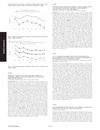 May 2019 in “Gastroenterology”
 Androgen lowering medications don't significantly change HCV-related liver cancer risk in men.
August 2024 in “American Journal of Medical Genetics Part A” Variants in the CCDC47 gene are linked to trichohepatoneurodevelopmental syndrome.
4 citations
,
January 2019 in “Evidence-based Complementary and Alternative Medicine” Yangyin Qingre Huoxue Prescription may help treat atherosclerosis with fewer liver side effects than simvastatin.
 6 citations
,
January 2010 in “Biology and medicine”
6 citations
,
January 2010 in “Biology and medicine” Russelia equisetiformis extracts can harm liver function.
 April 2018 in “Journal of Investigative Dermatology” May 2025 in “Dermatology Reports”
 A genetic mutation in the LIPH gene causes a rare hair disorder with sparse, curly hair.
 2 citations
,
March 2025 in “Archives of Dermatological Research”
2 citations
,
March 2025 in “Archives of Dermatological Research” HEV light can harm or help skin and scalp, so safe exposure guidelines are needed.
1 citations
,
August 2025 in “Molecules” Hederagenin shows promise for cancer and inflammation treatment but needs modifications to improve effectiveness.
![Influence of FHIT on Benzo[a]pyrene-Induced Tumors and Alopecia in Mice: Chemoprevention by Budesonide and N-Acetylcysteine](/images/assets/f8f56777-f891-4879-8c45-c87d6aa82563/small/35499.jpg) 24 citations
,
May 2006 in “Proceedings of the National Academy of Sciences of the United States of America”
24 citations
,
May 2006 in “Proceedings of the National Academy of Sciences of the United States of America” Budesonide and N-acetylcysteine reduced tumors and alopecia in mice, regardless of FHIT gene status.
 15 citations
,
May 2013 in “American Journal of Medical Genetics - Part A”
15 citations
,
May 2013 in “American Journal of Medical Genetics - Part A” People with X-linked hypohidrotic ectodermal dysplasia have no sweat ducts and less, thinner hair.
 March 2007 in “The FASEB Journal”
 Henna mixed with PPD can cause skin reactions, scarring, and a specific type of baldness, and needs more research to understand these effects.
 24 citations
,
June 2012 in “BMC Research Notes”
24 citations
,
June 2012 in “BMC Research Notes” The HGCA tool helps identify genes that work together by analyzing their co-expression patterns.
 1 citations
,
April 2017 in “Journal of Investigative Dermatology”
1 citations
,
April 2017 in “Journal of Investigative Dermatology” A new one-step test can quickly identify skin cancer during surgery.
 August 2025 in “International Journal of Contemporary Pediatrics”
 HLD10 can include increased body hair and Mongolian spots.
September 1976 in “PubMed” Hirsutism is excessive male-pattern hair growth mainly caused by ovarian hormones, and severe cases may require costly treatment with side effects.