 67 citations
,
October 2005 in “Annals of Oncology”
67 citations
,
October 2005 in “Annals of Oncology” Fulvestrant is a well-tolerated new treatment for advanced breast cancer that may delay chemotherapy.
52 citations
,
September 2012 in “Oncogene”  1 citations
,
July 2015 in “AACE clinical case reports”
1 citations
,
July 2015 in “AACE clinical case reports” Removing both ovaries treated the woman's excess male hormone symptoms.
January 2026 in “International Journal of Molecular Sciences” Hedgehog pathway inhibitors could be effective in treating melanoma.
12 citations
,
February 2011 in “Equine veterinary education” A mare had severe symptoms and died from a large lymphoma.
 7 citations
,
January 2014 in “Case reports in endocrinology”
7 citations
,
January 2014 in “Case reports in endocrinology” A woman's excessive hair growth was caused by a rare benign tumor in her adrenal gland, which was successfully removed.
April 2026 in “BMJ Case Reports” Leydig cell tumors can cause high testosterone in women and are treated by removing the ovaries.
 17 citations
,
February 2003 in “Australasian Journal of Dermatology”
17 citations
,
February 2003 in “Australasian Journal of Dermatology” Hair loss in postmenopausal woman caused by ovarian issue.
13 citations
,
August 2020 in “Der Hautarzt” Excessive male hormones in women cause symptoms like unwanted hair growth, and treatment requires careful medical evaluation.
3 citations
,
January 2021 in “touchREVIEWS in Endocrinology” Surgery removed an ovarian tumor, improving her symptoms and normalizing testosterone levels.
13 citations
,
March 1997 in “Research in Veterinary Science/Research in veterinary science” Epithelial proliferation and hyperkeratosis are linked to gastric ulcers in pigs.
July 2023 in “Journal of the ASEAN Federation of Endocrine Societies” GnRH agonist effectively diagnoses and treats postmenopausal hyperandrogenism from ovarian sources.
34 citations
,
November 1998 in “Journal of Investigative Dermatology” A common mutation in the hHb6 gene is linked to monilethrix, but other factors may also play a role.
2 citations
,
May 2011 in “Journal of Clinical Oncology” Further testing of paclitaxel poliglumex for this cancer treatment is not justified.
88 citations
,
August 1998 in “Carcinogenesis” High levels of ODC and a mutant Ha-ras gene cause tumors in mice.
 April 2019 in “Journal of the Endocrine Society”
 A woman's severe male-like symptoms were caused by a rare, benign tumor in her ovary that produced male hormones.
Hedgehog signaling can create new hair follicles in adult skin but may increase cancer risk.
6 citations
,
March 1996 in “Journal of Investigative Dermatology” 9 citations
,
August 2021 in “Biomedicines” 17β-estradiol boosts APE1/Ref-1 secretion in cells and mice via a calcium-dependent pathway.
December 2020 in “Research Square (Research Square)” Rare ovarian tumors can cause increased male hormones in postmenopausal women; surgery is an effective treatment.
 January 2013 in “Revista Clínica Española”
 A postmenopausal woman's increased male hormone levels were successfully treated with surgery.
September 2025 in “OPAL (Open@LaTrobe) (La Trobe University)” The treatments stopped hair regrowth in mice.
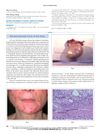 9 citations
,
May 2008 in “Journal of Clinical Oncology”
9 citations
,
May 2008 in “Journal of Clinical Oncology” A woman's ovarian tumor causing high testosterone was successfully removed, and her symptoms improved.
54 citations
,
May 1999 in “Journal of Cutaneous Pathology” Apocrine type cutaneous mixed tumors often resemble hair follicles, sebaceous glands, and apocrine glands.
August 2016 in “Journal of Investigative Dermatology” EZH2 is essential for hair growth and skin cell development.
Higher PSA levels can indicate prostate cancer, but there's overlap with non-cancerous conditions.

Benign ovarian tumors can cause excess male hormones and related conditions in postmenopausal women.
January 2026 in “The Breast Journal” Understanding specific symptoms in different cancer stages can improve personalized care and quality of life.

Hidradenitis Suppurativa has genetic links, with certain gene mutations more common in patients and a third of cases having a family history.
3 citations
,
January 1985 in “Acta Obstetricia Et Gynecologica Scandinavica” A rare ovarian tumor caused early puberty signs in a 1-year-old girl, but surgery reduced hormone levels.