Search
for
Sort by
Research
720-750 / 1000+ results
research Clinical Manifestation of Alopecia Areata After COVID-19 Infection or Vaccination
COVID-19 may trigger alopecia areata, but more research is needed.
research COVID-19 with High Fever: A Trigger Factor for Alopecia Areata?
High fever from COVID-19 might trigger hair loss.
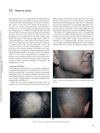
research Alopecia areata
Alopecia areata is a common autoimmune condition causing varying hair loss, diagnosed by specific patterns of inflammation around hair follicles, with several treatment options available.

research Psoriatic alopecia
Psoriasis can cause temporary or permanent hair loss.

research Alopecia areata multiplex following autologous dermal micrograft injection for treatment of androgenetic alopecia
Hair loss treatment caused more hair loss in a man.
research Severe Alopecia Complicating Systemic Sclerosis
A woman with severe hair loss due to systemic sclerosis regrew her hair in 4 months using a combination of treatments.

research A case of telogen effluvium followed by alopecia areata after SARS‐CoV‐2 infection
Hair loss occurred after a COVID-19 infection.
research 32731 Alopecia in COVID-19 patients: Systematic review and meta-analysis
Different types of hair loss are linked to COVID-19, with some types possibly increasing risk of getting the virus, while others may be triggered or worsened by the virus.

research Spontaneous complete resolution of alopecia totalis post SARS-CoV-2 infection
A woman's complete hair loss condition improved after recovering from COVID-19.
research Evaluation of the Relationship between Alopecia Areata and Viral Antigen Exposure
Hepatitis B virus exposure may be linked to increased risk of alopecia areata.
research Autoimmunity: Alopecia Areata
Alopecia areata is an autoimmune disease causing hair loss, treatable with immune-modulating drugs, and linked to genetics.
research Alopecia in association with severe seborrhoeic dermatitis following combination antiretroviral therapy for acute retroviral syndrome
A man with HIV developed skin and hair issues after starting HIV treatment, which improved with topical treatment.
research Erosive pustulosis of the scalp:3 Cases (Fren)
Oral zinc gluconate and topical steroids significantly improved a rare scalp condition in three elderly patients.

research Case Report: Alopecia areata in an adolescent after COVID-19 infection
COVID-19 may trigger hair loss conditions like alopecia areata.
research Alopecia areata in atopic dermatitis: coincidence or regularity?
Atopic dermatitis may trigger alopecia areata, and early treatment can help prevent severe cases.

research Viral-Induced Rapidly Progressive Alopecia Universalis: A Case Report and Literature Review
COVID-19 may trigger or worsen rapid hair loss in alopecia areata.

research Alopecia syphilitica, from diagnosis to treatment
Treating hair loss due to syphilis involves antibiotics.

research Alopecia areata
Alopecia areata causes sudden hair loss, often on the scalp, and can be severe, especially with early onset or related health issues.
research Reversible alopecia in Vogt-Koyanagi-Harada disease and sympathetic ophthalmia
Alopecia can be reversed with timely steroid treatment in VKH and SO diseases.

research Alopesia Areata Dengan Pengobatan Triamcinolone Acetonide
Alopecia areata is the most common type of baldness treated with corticosteroids and minoxidil.
research Alopecia areata
research Viral-associated trichodysplasia in patients who are immunocompromised
Immunocompromised patients can develop skin and hair issues due to a virus.
research Co‐localization of alopecia areata and lichen planopilaris in a patient receiving immunosuppressants: A rare case
A woman on immunosuppressants developed two rare scalp conditions, which improved with specific treatments.
research ALOPECIA AFTER CORONAVIRUS
About 20-25% of people recovering from coronavirus experience hair loss, causing discomfort and anxiety.
research [Selective changes in lymphocytic differentiation antigens in the peripheral blood of patients with alopecia areata treated with oral zinc].
Zinc may help treat alopecia areata by boosting certain immune cells.
research A puzzling Presentation of Alopecia Areata: Sudden-Onset Whitening of Hair and its Spontaneous Resolution
The man's hair turned white suddenly but returned to normal on its own in 6 months.
research Alopecia areata.
Alopecia areata causes unpredictable hair loss and is hard to treat.

research Association between alopecia areata and COVID-19: A systematic review
COVID-19 may be linked to hair loss or worsening of hair loss in some people.

research Mosaic Hair Regrowth Pattern of Ophiasis and Androgenic Alopecia in a Patient With Alopecia Areata Totalis
The patient with total hair loss did not regrow hair despite treatment, indicating a poor outlook for this type of hair loss.