
Minoxidil is the only approved cream for hair loss, but new treatments are being looked into.
 June 2026 in “Journal of Materials Science Materials in Medicine”
 A 5% minoxidil nanoemulsion improved hair growth more effectively than commercial solutions without causing skin irritation.
 3 citations
,
January 2018
3 citations
,
January 2018 A woman had an unusual allergic reaction to a hair loss treatment, which cleared up after stopping the treatment and using a different medication.
 4 citations
,
December 2017 in “PubMed”
4 citations
,
December 2017 in “PubMed” Minoxidil may help treat hair loss by reducing the activity of a specific enzyme linked to baldness.
 January 2024 in “Tropical Journal of Pharmaceutical Research”
 Minoxidil liniment is effective in treating hair loss in women.
September 1990 in “Journal of Dermatological Science”  October 2024 in “International Journal of Pharmaceutical Sciences Review and Research”
 A 5% minoxidil spray could effectively treat male baldness with fewer side effects and better patient comfort.
March 2026 in “Journal of medical & health sciences review.” Both 5% minoxidil foam and liquid effectively treat hair loss, with foam slightly preferred.
 13 citations
,
May 2015 in “Journal of The American Academy of Dermatology”
13 citations
,
May 2015 in “Journal of The American Academy of Dermatology” Oral minoxidil improves hair growth in men with hair loss, but caution needed for those with heart issues.
 19 citations
,
June 2020 in “International Journal of Dermatology”
19 citations
,
June 2020 in “International Journal of Dermatology” Low-dose oral minoxidil effectively treats non-scarring hair loss with some side effects like hypertrichosis and postural hypotension.
 70 citations
,
April 1990 in “Journal of The American Academy of Dermatology”
70 citations
,
April 1990 in “Journal of The American Academy of Dermatology” Minoxidil treatment increased hair growth for up to 5 years, requiring twice daily application.
 14 citations
,
January 2007 in “Journal of Dermatological Treatment”
14 citations
,
January 2007 in “Journal of Dermatological Treatment” Minoxidil solution had low effect, causing 99% to stop using it.
 1 citations
,
August 2019 in “Pediatric dermatology”
1 citations
,
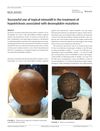
August 2019 in “Pediatric dermatology” Topical minoxidil helped an 8-year-old boy with a genetic hair disorder grow hair.
July 2026 in “Journal of the American Academy of Dermatology” Most young patients found oral minoxidil helpful for hair loss and were willing to continue using it.
 7 citations
,
November 1987 in “Pharmacotherapy: The Journal of Human Pharmacology and Drug Therapy”
7 citations
,
November 1987 in “Pharmacotherapy: The Journal of Human Pharmacology and Drug Therapy” Minoxidil can help thicken hair in some people with male pattern baldness, especially if used early and continuously.
January 2021 in “Journal of clinical & experimental dermatology research” The new 5% minoxidil formulation without propylene glycol effectively promotes hair growth with fewer side effects and better user satisfaction.
4 citations
,
January 2020 in “JOURNAL OF CLINICAL AND DIAGNOSTIC RESEARCH” 2% Minoxidil effectively improves eyebrow hair growth and thickness.
March 1990 in “Journal of Dermatological Science” January 2006 in “The journal of clinical and aesthetic dermatology” Women using 5% minoxidil for hair loss were mostly satisfied and had improved quality of life, despite some impact on social life and hairstyle choices.
March 1991 in “International Society of Hair Restoration Surgery”  2 citations
,
October 2020 in “Más dermatología”
2 citations
,
October 2020 in “Más dermatología” Choose between topical and oral minoxidil for hair growth based on personal tolerance and side effects.
January 2017 in “Faculty of 1000 Research Ltd” Oral minoxidil significantly reduces hair shedding in women with chronic telogen effluvium.
 November 1999 in “Reactions Weekly”
  23 citations
,
October 2006 in “Journal of Dermatological Science”
23 citations
,
October 2006 in “Journal of Dermatological Science” Ethosomal minoxidil improves hair growth by penetrating deeper into skin and shortening hair cycle.
 19 citations
,
November 2017 in “Journal of Pharmaceutical Sciences”
19 citations
,
November 2017 in “Journal of Pharmaceutical Sciences” A new gel containing minoxidil can treat hair loss effectively, potentially reducing side effects and improving treatment.
 40 citations
,
December 2006 in “Journal of The European Academy of Dermatology and Venereology”
40 citations
,
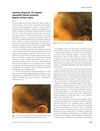
December 2006 in “Journal of The European Academy of Dermatology and Venereology” Minoxidil helps hair regrowth in traction alopecia.
 September 2025 in “Editora Pasteur eBooks”
 Low-dose oral minoxidil is as effective as or better than topical minoxidil for hair growth but may cause mild side effects.
4 citations
,
October 2021 in “Journal of The European Academy of Dermatology and Venereology” Low-dose oral minoxidil increases hair density and thickness in people with hair loss.
 August 2025 in “Journal of the American Academy of Dermatology”
 Minoxidil can temporarily increase hair shedding, causing anxiety and treatment discontinuation.
 2 citations
,
October 2020 in “Dermatologic Therapy”
2 citations
,
October 2020 in “Dermatologic Therapy” Herbal solution improves hair diameter and density more than 5% minoxidil for androgenetic alopecia.