129 citations
,
July 2019 in “Stem Cell Research & Therapy” Epidermal stem cells help heal severe skin wounds and have potential for medical treatments.
51 citations
,
January 2024 in “Burns & Trauma” Engineered extracellular vesicles can improve tissue repair and regeneration.
19 citations
,
August 2024 in “Journal of Translational Medicine” Epidermal stem cells are vital for skin healing and have potential for treating skin disorders.
12 citations
,
May 2024 in “International Journal of Nanomedicine” Stem cell-derived vesicles show promise for healing diabetic wounds.
 9 citations
,
February 2021 in “Frontiers in Cell and Developmental Biology”
9 citations
,
February 2021 in “Frontiers in Cell and Developmental Biology” Older mice have stiffer skin with less elasticity due to changes in collagen and skin structure, affecting aging and hair loss.
 7 citations
,
December 2022 in “Plants”
7 citations
,
December 2022 in “Plants” Guava leaf extract may help treat hair loss and protect cells by blocking certain genes and fighting damaging molecules.
 5 citations
,
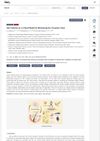
January 2023 in “International Journal of Molecular Sciences”
5 citations
,
January 2023 in “International Journal of Molecular Sciences” Hair follicles could be used to noninvasively monitor our body's internal clock and help identify risks for related diseases.
 5 citations
,
April 2022 in “Frontiers in Medicine”
5 citations
,
April 2022 in “Frontiers in Medicine” Hair and skin healing involve complex cell interactions controlled by specific molecules and pathways, and hair follicle cells can help repair skin wounds.
 5 citations
,
October 2021 in “Frontiers in Cell and Developmental Biology”
5 citations
,
October 2021 in “Frontiers in Cell and Developmental Biology” Fat tissue under the skin affects hair growth and aging; reducing its inflammation may help treat hair loss.
4 citations
,
March 2022 in “Pharmaceutics” Regenerative cellular therapies show promise for treating non-scarring hair loss but need more research.
3 citations
,
July 2023 in “Cells” MG53 helps reduce skin damage caused by nitrogen mustard.
 3 citations
,
June 2023 in “MedComm”
3 citations
,
June 2023 in “MedComm” Stem cells and their exosomes show promise for repairing tissues and healing wounds when delivered effectively, but more research is needed on their tracking and optimal use.
 3 citations
,
April 2022 in “International Journal of Molecular Sciences”
3 citations
,
April 2022 in “International Journal of Molecular Sciences” Scientists turned mouse skin cells into hair-inducing cells using chemicals, which could help treat hair loss.
2 citations
,
December 2025 in “Cosmetics” Proper scalp care can improve hair health and delay ageing signs.
 January 2026 in “Current Issues in Molecular Biology”
 FGF-7 helps hair grow by activating hair follicles and is a promising target for hair loss treatments.
 December 2025 in “Medical Sciences”
 Regenerative therapies show promise for hair regrowth, but more research and standardization are needed.
December 2025 in “Cosmetics” New treatments for alopecia show promise in restoring hair growth by targeting immune and hormonal factors.
November 2025 in “JPRAS Open” Exosome therapy could help with hair loss, but more research and regulation are needed.
November 2025 in “Advanced Science” A new nanozyme using EGCG and L-arginine boosts hair growth by safely increasing beneficial oxidative stress.
August 2025 in “Regenerative Therapy” Exosomes from platelet-rich plasma can help regrow hair by reducing oxidative stress.
 August 2025 in “Aesthetic Plastic Surgery”
 Collaboration and innovation are key to developing effective, safe hair loss treatments.
 August 2025 in “Annals of Medicine”
 Extracellular vesicles show promise for treating hair loss but need more research for effective use.
 August 2025 in “Plastic and Aesthetic Research”
 Microneedling can effectively treat hair loss and works well with other treatments, but more research is needed.
July 2025 in “Bioactive Materials” New engineering methods show promise for regenerating hair follicles using stem cells and advanced technologies.
March 2025 in “Journal of Clinical Medicine” Iron chelators can effectively reduce hair loss and improve hair growth in autoimmune alopecia.
January 2025 in “Health engineering.” Combining stem cells and organoids could improve skin regeneration treatments.
 November 2024 in “BMC Research Notes”
 SIRT3 and SIRT7 genes may play a role in hair loss.
 July 2024 in “Journal of Cosmetic Dermatology”
 Fractional laser therapy is a promising, effective, and minimally invasive treatment for hair loss.
Curcuma aeruginosa Roxb. may help treat hair loss by affecting specific biological pathways.
 January 2024 in “Journal of tissue engineering”
 Sunlight exposure damages hair follicles, but certain stem cell-derived particles can reduce this damage and help with hair regeneration.