 March 2024 in “Skin research and technology”
 New dermoscopic criteria accurately diagnose and grade the severity of hair loss in androgenetic alopecia.
2 citations
,
October 2016 in “OPAL (Open@LaTrobe) (La Trobe University)” The Swedish neonatal screening program effectively detects PKU, galactosaemia, and biotinidase deficiency with low false positives.
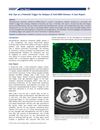 November 2025 in “Indian Journal of Nephrology”
 Hair dye may trigger anti-GBM disease relapse, and rituximab can help manage it.
 3 citations
,
November 2021 in “Journal of The American Academy of Dermatology”
3 citations
,
November 2021 in “Journal of The American Academy of Dermatology” Androgenetic alopecia, a genetic disorder affecting up to 50% of adults, is caused by an excessive response to androgens leading to hair follicle shrinkage. Treatments include FDA-approved drugs, other therapies like low-dose oral minoxidil, and hair transplantation.
GPC1 is important for hair growth by helping blood vessels form around hair follicles.
 7 citations
,
July 2020 in “Immunological Investigations”
7 citations
,
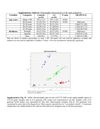
July 2020 in “Immunological Investigations” The rs231775 genetic variant is linked to a higher risk and severity of Alopecia Areata in males.
 June 2026 in “arXiv (Cornell University)”
 The new method improves SNP analysis in genetic studies by combining tests, enhancing accuracy and cost-effectiveness.
 April 2017 in “Journal of Investigative Dermatology”
 A boy with Oculodentodigital syndrome had a unique GJA1 gene mutation causing his symptoms.
January 2026 in “Journal of the Egyptian Womenʼs Dermatologic Society” High levels of HSP70 and IL-15 are linked to more severe alopecia areata.
 January 2005 in “Translational and Clinical Pharmacology”
 HDMHG0401-10 improves hair loss in men with androgenetic alopecia and has no major side effects.
3 citations
,
May 2022 in “Indian Journal of Dermatology” Low ferritin and high Anti TPO levels are linked to early hair greying.
9 citations
,
January 2021 in “Biomolecules” Infrared spectral imaging can map hair growth proteins and sugars without staining.
 1 citations
,
April 2019 in “The journal of investigative dermatology/Journal of investigative dermatology”
1 citations
,
April 2019 in “The journal of investigative dermatology/Journal of investigative dermatology” Melanocyte-associated antigens may play a key role in alopecia areata and could be targets for new treatments.
The enzyme Dgat1 is essential for healthy hair and skin by controlling retinoid levels.
 1 citations
,
October 2021 in “Prilozi - Makedonska akademija na naukite i umetnostite. Oddelenie za medicinski nauki”
1 citations
,
October 2021 in “Prilozi - Makedonska akademija na naukite i umetnostite. Oddelenie za medicinski nauki” Many women with polycystic ovary syndrome have normal blood sugar, but some may have higher blood sugar levels or diabetes, especially if they are older, overweight, and have certain hormone levels.
May 2026 in “SJ Gynecology and Obstetrics Africa” Young women with PCOS often have abnormal glucose tolerance, especially if they are overweight or have a family history of diabetes.
 October 2020 in “Benha Journal of Applied Sciences”
 Troponin I may help detect heart problems in people with Androgenetic Alopecia.
79 citations
,
March 2005 in “Journal of Medical Genetics” A mutation in the hHb3 gene is linked to the hair disorder monilethrix.

Androgenetic alopecia, or hair loss, is caused by genetic factors and hormones, with different mechanisms in men and women, and can be linked to insulin resistance and polycystic ovary syndrome.
March 1990 in “Journal of Dermatological Science”  18 citations
,
December 2010 in “PubMed”
18 citations
,
December 2010 in “PubMed” People with early hair loss may have higher insulin levels and a greater chance of developing metabolic syndrome.
 13 citations
,
June 2015 in “International Journal of Dermatology”
13 citations
,
June 2015 in “International Journal of Dermatology” Non-obese women with hair loss have higher heart disease risk.
November 2005 in “Hair transplant forum international” Genetic differences in hair loss can help improve diagnosis and treatment.
September 2019 in “Human Andrology” Higher serum androgens contribute to male pattern baldness.
 January 2023 in “International Journal of Zoological Investigations”
 Certain genetic variations in IL-16 may increase the risk of alopecia areata.
 1 citations
,
June 2014 in “Toxicologie analytique et clinique/Annales de toxicologie analytique”
1 citations
,
June 2014 in “Toxicologie analytique et clinique/Annales de toxicologie analytique” Body hair can be used to test for alcohol intake, especially in men.
 27 citations
,
March 2008 in “Journal of The European Academy of Dermatology and Venereology”
27 citations
,
March 2008 in “Journal of The European Academy of Dermatology and Venereology” Men with a certain type of hair loss (AGA) have higher bad cholesterol and lower good cholesterol levels, making them more likely to get heart disease.
 19 citations
,
November 1971 in “Clinica Chimica Acta”
19 citations
,
November 1971 in “Clinica Chimica Acta” The document concludes that measuring γ-glutamyl transpeptidase activity is more accurate with a higher substrate concentration and using diluted acetic acid to stop the reaction.
January 2010 in “The Chinese Journal of Dermatovenereology” Androgenetic alopecia is more common in Chinese Han than in Chinese Yi in Liangshan.
 21 citations
,
May 2017 in “International Journal of Dermatology”
21 citations
,
May 2017 in “International Journal of Dermatology” Overweight smokers have worse hair loss.