April 2022 in “Dermatologic Therapy” Diode laser treatment works better for facial hirsutism in patients with normal hormone levels.
 37 citations
,
May 2016 in “Scientific Reports”
37 citations
,
May 2016 in “Scientific Reports” Combining skin cells with fat-derived stem cells can improve hair growth.
February 2025 in “Archives of Dermatological Research” Fibrosing alopecia can be diagnosed without typical signs of lichen planopilaris.
November 2025 in “IntechOpen eBooks” PCOS causes sexual dysfunction, needing comprehensive treatment.
50 citations
,
August 2021 in “Stem Cell Research & Therapy” Adipose-derived stem cells help heal radiation skin damage by reducing cell death and inflammation.
 September 2023 in “Acta dermato-venereologica”
 Pilonidal sinus disease is linked to more severe hidradenitis suppurativa.
24 citations
,
March 2022 in “Journal of the American Academy of Dermatology” Adalimumab improved folliculitis decalvans in most patients.
 18 citations
,
April 2010 in “Actas Dermo-Sifiliográficas”
18 citations
,
April 2010 in “Actas Dermo-Sifiliográficas” Follicular unit hair transplantation is the standard method for natural-looking hair restoration in androgenic alopecia.
83 citations
,
February 1991 in “Development” Fos protein is crucial for cell transition to cornification in keratinized tissues.
 3 citations
,
January 2017 in “Yonsei Medical Journal”
3 citations
,
January 2017 in “Yonsei Medical Journal” Blocking 11β-HSD1 can lessen the harmful effects of glucocorticoids on hair growth cells.
55 citations
,
March 2000 in “American journal of clinical dermatology” Antiandrogens, particularly flutamide and CPA, are most effective for treating hirsutism, with long-term use needed for best results.
 14 citations
,
October 2003 in “Annals of Oncology”
14 citations
,
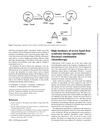
October 2003 in “Annals of Oncology” About half the patients treated with capecitabine and docetaxel developed severe hand-foot syndrome.
 13 citations
,
March 2020 in “Genes”
13 citations
,
March 2020 in “Genes” Disrupting the FGF5 gene in rabbits leads to longer hair by extending the hair growth phase.
3 citations
,
June 2016 in “JEADV. Journal of the European Academy of Dermatology and Venereology/Journal of the European Academy of Dermatology and Venereology” A patient with hair loss condition grew excessive hair in areas covered by a cast.
December 1987 in “Pediatric Dermatology” Hair bands are a new symptom of facio-genito-popliteal syndrome.
 49 citations
,
January 2003 in “Clinical and Experimental Dermatology”
49 citations
,
January 2003 in “Clinical and Experimental Dermatology” The document concludes that post-menopausal frontal fibrosing alopecia is a poorly understood condition that does not respond well to common treatments.
 37 citations
,
February 2009 in “Bioorganic & Medicinal Chemistry”
37 citations
,
February 2009 in “Bioorganic & Medicinal Chemistry” Finasteride complexes with HPβCD and polymers improve solubility, potentially enhancing hair loss treatment.
October 2022 in “Hair Transplantation” New FUE systems have greatly improved hair restoration surgery.
November 2025 in “Journal of the European Academy of Dermatology and Venereology” Different types of hidradenitis suppurativa need specific treatments based on unique skin cell issues.
36 citations
,
January 2000 in “British journal of dermatology/British journal of dermatology, Supplement” A mother and daughter had severe skin, hair, and eye issues linked to IFAP.
 1 citations
,
January 2020 in “Benha Journal of Applied Sciences”
1 citations
,
January 2020 in “Benha Journal of Applied Sciences” Certain gene variations may increase the risk and severity of alopecia areata.
18 citations
,
February 2018 in “Journal of the American Academy of Dermatology” The document suggests a possible link between frontal fibrosing alopecia and rosacea.
 April 2023 in “World Journal Of Advanced Research and Reviews”
 Cosmetic products or emotional factors might contribute to Frontal Fibrosing Alopecia, and trichoscopy is useful for diagnosis.

Early combination therapy can effectively regrow hair in frontal fibrosing alopecia.
6 citations
,
June 2021 in “The journal of investigative dermatology/Journal of investigative dermatology” A mutation in the SREBF1 gene causes both hereditary mucoepithelial dysplasia and IFAP syndrome, which are related conditions.
1 citations
,
January 2020 in “Microscopy research” Researchers successfully grew hair follicle stem cells from mice and humans, which could be useful for tissue engineering and regenerative medicine.
December 2016 in “Anales del sistema sanitario de Navarra” Frontal fibrosing alopecia is increasing, especially in postmenopausal women, and treatment with finasteride can improve it.
 May 2023 in “Clinical, Cosmetic and Investigational Dermatology”
 The research found proteins in human skin cells that help with wound healing and hair growth, which could lead to new treatments.
 40 citations
,
January 2013 in “International journal of trichology”
40 citations
,
January 2013 in “International journal of trichology” Perifollicular erythema can indicate active frontal fibrosing alopecia.
 35 citations
,
October 2017 in “Signal Transduction and Targeted Therapy”
35 citations
,
October 2017 in “Signal Transduction and Targeted Therapy” Fibromodulin treatment helps reduce scarring and improves wound healing by making it more like fetal healing.