 March 2026 in “Folia Histochemica et Cytobiologica”
 LTBP1 is a key regulator in diseases and a potential target for new treatments.
 January 2026 in “Frontiers in Bioscience-Landmark”
 Araliadiol protects skin cells from damage by boosting antioxidant defenses.
 December 2025 in “The American Journal of Medical Sciences and Pharmaceutical Research”
 Ultrasonic and infrared treatments can improve hair strength and appearance with minimal damage.
 November 2025 in “Communications Biology”
 Human hair contains many different molecules that change along its length, influenced by personal care products.
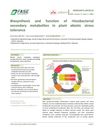 November 2025 in “Frontiers of Agricultural Science and Engineering”
 Rhizobacterial strain RT3 helps lettuce survive drought by producing protective substances like proline.
 September 2025 in “Animal Bioscience”
 Key genes and pathways affect wool fiber thickness, improving wool quality.

Certain plasma proteins and genes are linked to obstructive sleep apnea, suggesting potential new treatments.
 June 2025 in “Universal library of medical and health sciences.”
 External factors like pollution, stress, and poor nutrition can negatively affect hair growth.
 May 2025 in “Scientific Reports”
 Geraniol effectively treats scabies and is safe for use.
 May 2025 in “Animal Bioscience”
 Inhibiting prolactin reduces hair follicle activation in cashmere goats.
 May 2025 in “Journal of research in pharmaceutical science.”
 The herbal hair serum with hibiscus, flaxseed, and aloe vera improves hair smoothness and shine without harmful effects.
 April 2025 in “Journal of Neonatal Surgery”
 PCOS is best managed with a personalized mix of lifestyle changes, medication, and herbal remedies.
 January 2025 in “International Journal of Advanced Research in Science Communication and Technology”
 Polyherbal hair dyes are safer and more eco-friendly than chemical dyes.
 January 2025 in “Journal of Pharmacognosy and Phytochemistry”
 Vitex negundo has potential health benefits, including anti-inflammatory and anti-cancer effects.
 January 2025 in “International Journal of Gynaecology Research”
 Adolescent females with PCOS have higher serum cystatin C levels, indicating potential metabolic and cardiovascular issues.
 February 2024 in “International journal of biology, pharmacy and allied sciences”
 Plant-based treatments can effectively and safely treat hair loss.
 January 2024 in “Research Square (Research Square)”
 Traditional Chinese medicine may help treat ischemic stroke by targeting specific genes and pathways.
 January 2024 in “Research Square (Research Square)”
 A specially designed molybdenum oxide nanozyme can treat and monitor acute kidney injury effectively.
 January 2024 in “Archives of pharmacy practice”
 The skin is vital for protection, temperature control, fluid balance, immunity, and sensing, with damage affecting daily life and mental health.
 January 2024 in “Pharmacophore”
 Herbal nanocosmeceuticals are more effective and eco-friendly than traditional skincare products.
 October 2023 in “Animal production science”
 Vitamin A deficiency changes cattle hair structure, while pregnancy may improve it, suggesting hair can indicate cattle health.
 July 2023 in “Indian Journal of Animal Health”
 FGF-5 promotes Cashmere goat hair growth by increasing keratin genes and reducing certain LncRNA and target genes.
 June 2023 in “jurnal veteriner”
 The combination of Typhonium flagelliforme extract and natural interferons effectively reduces tumor growth in mice.
 June 2023 in “Research Square (Research Square)”
 Cupric citrate improves growth, nutrient use, and gut health in broilers.
 December 2022 in “International Journal of Biomedicine”
 Androgens may worsen COVID-19 and hair loss could indicate the disease's severity.
 November 2022 in “Research Square (Research Square)”
 The research provides insights into hair follicle growth in forest musk deer by identifying key genes and pathways involved.
Water and fatty acids affect hair's surface differently based on hair damage, and models can help understand hair-cosmetic interactions.
 November 2021 in “Journal of pharmaceutical research international”
 Herbal depilatories are safer and cause fewer side effects than chemical ones for hair removal.
 August 2021 in “Han'gug miyong haghoeji/Journal of the Korean society of cosmetology”
 Using natural polyphenol cross-linkers like tannic acid and green tea extract in perm treatments improves curling and protects hair.
 June 2021 in “Journal of Emerging Technologies and Innovative Research”
 Rice water and hibiscus can help improve hair health and growth.