 15 citations
,
May 2017 in “JEADV. Journal of the European Academy of Dermatology and Venereology/Journal of the European Academy of Dermatology and Venereology”
15 citations
,
May 2017 in “JEADV. Journal of the European Academy of Dermatology and Venereology/Journal of the European Academy of Dermatology and Venereology” High-dose corticosteroids and methotrexate had a modest effect on severe childhood alopecia, but side effects and relapse were concerns.
39 citations
,
January 2012 in “Dermatology” Combining high-dose corticosteroids with methotrexate may be effective and safe for severe alopecia areata.
 October 2021 in “Dermatology practical & conceptual”
 High-dose corticosteroids can significantly regrow hair in severe alopecia areata.
14 citations
,
January 2015 in “Annals of dermatology/Annals of Dermatology” Corticosteroid pulse therapy is more effective for severe alopecia areata than combination therapy.
 18 citations
,
January 2017 in “Journal der Deutschen Dermatologischen Gesellschaft”
18 citations
,
January 2017 in “Journal der Deutschen Dermatologischen Gesellschaft” High and low doses of prednisolone helped 62% of children with severe alopecia regrow hair with some weight gain and mild acne as side effects.
April 2026 in “Almanac of Clinical Medicine” High-dose glucocorticoid therapy clears skin lesions in pemphigus vulgaris but causes side effects like weight gain and muscle weakness.
38 citations
,
January 2013 in “Dermatology” Careful patient selection is key for effective pulse corticosteroid treatment in children with alopecia areata.
January 2003 in “Journal of Practical Aesthetic and Plastic Surgery” Both steroid treatments effectively regrow hair in severe alopecia areata.
 51 citations
,
December 2011 in “The Journal of Dermatology”
51 citations
,
December 2011 in “The Journal of Dermatology” New treatments for severe hair loss often fail, but some patients see hair regrowth with specific therapies, and treatment should be tailored to the individual's situation.
21 citations
,
May 2017 in “Paediatric drugs” Individualized treatment plans are crucial for children with alopecia areata, with promising options like JAK inhibitors showing significant hair regrowth.
 1 citations
,
January 2014 in “Hair therapy & transplantation”
1 citations
,
January 2014 in “Hair therapy & transplantation” Platelet-rich plasma treatment is not very effective for chronic severe alopecia areata.
3 citations
,
August 2018 in “Therapeutics and Clinical Risk Management” Corticosteroid therapy for alopecia areata can cause severe hip bone damage.
February 2026 in “International Journal of Clinical Dermatology” A multi-drug treatment can effectively clear extensive calcinosis in juvenile dermatomyositis.
March 2017 in “DOAJ (DOAJ: Directory of Open Access Journals)” Antioxidants helped reduce prednisolone dosage and improved hair growth in alopecia areata patients.
May 2021 in “Medicina internă” High-dose corticosteroid treatment helped improve symptoms in a patient with Adult Onset Still Disease.
 108 citations
,
November 1980 in “British Journal of Dermatology”
108 citations
,
November 1980 in “British Journal of Dermatology” Oral retinoids are effective for various skin conditions but have side effects and should not be used during pregnancy.
 8 citations
,
January 2008 in “Annals of Dermatology”
8 citations
,
January 2008 in “Annals of Dermatology” Combining Cyclosporine A with low-dose corticosteroids effectively treats severe alopecia areata.
November 2024 in “Journal of the Philippine Dermatological Society” Combining methotrexate and corticosteroids can effectively regrow hair in severe alopecia areata.
2 citations
,
May 2025 in “IntechOpen eBooks” Early treatment with corticosteroids and immunosuppressants is crucial for managing Vogt-Koyanagi-Harada disease.
19 citations
,
January 2013 in “Annals of Dermatology” Early high-dose steroid treatment helps prolong disease-free periods in severe alopecia areata.
21 citations
,
March 2002 in “PubMed” High-dose steroid pulse therapy effectively regrows hair in severe multifocal alopecia areata.
February 2018 in “The American Journal of Gastroenterology” High-dose iron therapy improves anemia without affecting IBD treatment.
 14 citations
,
September 2015 in “Expert Opinion on Therapeutic Targets”
14 citations
,
September 2015 in “Expert Opinion on Therapeutic Targets” The conclusion is that while oral contraceptive pills are effective for PCOS-related high androgen levels, new treatments with fewer side effects are needed.
 4 citations
,
January 2022 in “Drug design, development and therapy”
4 citations
,
January 2022 in “Drug design, development and therapy” Intramuscular corticosteroids are effective and safe for severe alopecia areata, with most patients regrowing hair, but nearly half may relapse.
50 citations
,
January 2016 in “Journal of the American Academy of Dermatology” Pulse steroid therapy for alopecia areata shows a 43% complete response rate but has a high relapse rate, especially in children.
 May 2026 in “Journal of Asia Pacific Aesthetic Sciences”
 Low-dose intralesional corticosteroid treatment led to rapid hair regrowth in localized alopecia areata.
 September 1995 in “American Journal of Contact Dermatitis”
 Antiyeast treatments work better for seborrheic dermatitis than steroids, and other findings include increased skin bacteria under plastic wrap, a nasal cell defect in Staphylococcus aureus carriers, quick resolution of certain skin reactions, high rubber latex allergy in spina bifida patients, and glyceryl monopentadecanoate's effectiveness for male hair loss.
 18 citations
,
March 1990 in “Archives of Dermatology”
18 citations
,
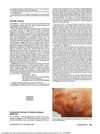
March 1990 in “Archives of Dermatology” Cyclosporine cleared a woman's resistant skin condition quickly and kept it away for over a year.
 15 citations
,
January 2014 in “Anais Brasileiros de Dermatologia”
15 citations
,
January 2014 in “Anais Brasileiros de Dermatologia” Lupus treatment requires a combination of drugs and therapies, with research needed for new options.
 20 citations
,
October 2003 in “The Journal of Dermatology”
20 citations
,
October 2003 in “The Journal of Dermatology” DCP therapy causes side effects like weakness, flushing, headaches, and taste changes, but less frequently causes hypertension and diabetes.