24 citations
,
August 2020 in “JAMA dermatology” Persistent radiation-induced hair loss is dose-dependent, and treatments like topical minoxidil can be effective.
 17 citations
,
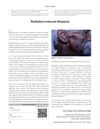
January 2010 in “International journal of trichology”
17 citations
,
January 2010 in “International journal of trichology” A man experienced hair loss from radiotherapy, which can be temporary or permanent depending on radiation dose, with potential treatments available.
78 citations
,
January 2013 in “Brachytherapy” HDR electronic brachytherapy effectively treats nonmelanoma skin cancer with good cosmetic results and minimal side effects.
29 citations
,
July 2013 in “Journal of Investigative Dermatology” UV radiation causes skin cancer, but sunscreens and certain drugs can help prevent it.
2 citations
,
March 2025 in “PNAS Nexus” Raman spectroscopy can detect radiation exposure in mouse hair with high accuracy for up to 7 days.
 July 2023 in “Photodermatology, Photoimmunology and Photomedicine”
 Infrared radiation can cause skin aging and cancer at high temperatures but may have therapeutic benefits at controlled levels.
 8 citations
,
August 2019 in “Dermatologic surgery”
8 citations
,
August 2019 in “Dermatologic surgery” Nonsteroid treatments for alopecia areata show promise but need more high-quality research.
 30 citations
,
August 2016 in “Advances in radiation oncology”
30 citations
,
August 2016 in “Advances in radiation oncology” Researchers developed a mouse model that successfully mimics the bladder damage seen in humans after radiation therapy.
 88 citations
,
May 2011 in “British Journal of Clinical Pharmacology”
88 citations
,
May 2011 in “British Journal of Clinical Pharmacology” High doses of cyproterone acetate are linked to an increased risk of developing meningioma.
 65 citations
,
January 2017 in “Postępy Dermatologii i Alergologii”
65 citations
,
January 2017 in “Postępy Dermatologii i Alergologii” High-frequency ultrasonography is a useful but underused tool in dermatology for assessing skin cancers, monitoring diseases, and evaluating treatments.
 February 2023 in “International Journal of Multimedia Computing”
 The improved algorithm enhances low-dose CT image quality significantly better than other methods.
 14 citations
,
January 2014 in “Cells Tissues Organs”
14 citations
,
January 2014 in “Cells Tissues Organs” Ionizing radiation causes irreversible skin damage, with single doses leading to acute injury and hair graying, and fractional doses causing more severe long-term tissue damage.
 December 2025 in “Journal of Advanced Biotechnology and Experimental Therapeutics”
 Mesenchymal stem cells may help reduce melanin in UV-exposed mice.
 February 2026 in “Scientific Reports”
 The model effectively mimics radiation-induced skin damage for future research.
 61 citations
,
April 2014 in “Radiation Research”
61 citations
,
April 2014 in “Radiation Research” RTA 408 cream protects mice from radiation skin damage.
 9 citations
,
October 2014 in “Clinical and Experimental Dermatology”
9 citations
,
October 2014 in “Clinical and Experimental Dermatology” Temporary hair loss can occur after brain AVM treatment but usually regrows in 8 weeks.
 4 citations
,
April 2011 in “International Journal of Radiation Biology”
4 citations
,
April 2011 in “International Journal of Radiation Biology” Radiation significantly slows down wound healing in mice.
 30 citations
,
April 2013 in “Journal of Investigative Dermatology”
30 citations
,
April 2013 in “Journal of Investigative Dermatology” Radiation mainly affects keratinocyte stem cells, not melanocyte stem cells, causing hair to gray.
 5 citations
,
May 2006 in “Dermatologic Surgery”
5 citations
,
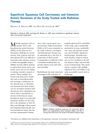
May 2006 in “Dermatologic Surgery” Radiation therapy successfully treated an elderly man's skin cancer and pre-cancerous scalp lesions.
 May 2006 in “Dermatologic Surgery”
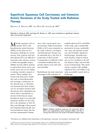
 Radiation therapy successfully treated an elderly man's skin cancer and pre-cancerous scalp lesions.
 19 citations
,
January 2015 in “Current problems in dermatology”
19 citations
,
January 2015 in “Current problems in dermatology” Ultraviolet rays damage hair, smoking may cause hair loss, and good nutrition is important for hair health, but genetics mainly decide hair thickness.
 August 2017 in “Journal of epidemiological research”
 Cancer rates are increasing in developed countries, with estrogen, aging, low vitamin D3, and HPV infection as common causes.
 March 2026 in “Frontiers in Medicine”
 High-dose testosterone with finasteride improves muscle health in males with spinal cord injury.
8 citations
,
August 2014 in “Journal of Clinical Oncology” Stereotactic body radiation therapy and radiosurgery are advanced, precise treatments that target tumors while protecting healthy tissue.
 163 citations
,
April 1953 in “Acta radiologica”
163 citations
,
April 1953 in “Acta radiologica” Radiation therapy with a higher dose for the brain improves survival in cerebellar medulloblastoma.
28 citations
,
November 2009 in “Journal of Structural Biology” High flux X-ray beams quickly damage the structure of human hair.
 July 2026 in “Open Science Framework”
 Radiation can cause hair loss, and better prevention and treatment methods are needed.
 4 citations
,
February 2024 in “The Journal of Urology”
4 citations
,
February 2024 in “The Journal of Urology” Adding hormone therapy to radiation improves survival for high-risk prostate cancer recurrence but has side effects.
6 citations
,
December 2021 in “Journal of Cancer Research and Therapeutics” The treatment improved survival and controlled cancer spread but required managing side effects like rashes.
 5 citations
,
January 2018 in “Annals of Dermatology”
5 citations
,
January 2018 in “Annals of Dermatology” A 308 nm excimer laser successfully treated a boy with a rare skin condition after about a year of weekly sessions.