 August 2023 in “Journal of Cosmetic Dermatology”
 Both minoxidil-spironolactone and minoxidil-finasteride treatments work for hair loss, but minoxidil-spironolactone is slightly more effective, especially in women.
Combining minoxidil, finasteride, and growth factors improves hair growth and reduces hair loss.
 112 citations
,
October 2005 in “Mayo Clinic Proceedings”
112 citations
,
October 2005 in “Mayo Clinic Proceedings” Minoxidil and finasteride can slow hair loss and stimulate regrowth, but won't restore all lost hair or reverse complete baldness.
 March 2026 in “Journal of Pakistan Association of Dermatologists”
 Low-dose oral minoxidil is more effective and convenient for treating male pattern baldness than topical minoxidil.
November 2016 in “Cochrane Clinical Answers” 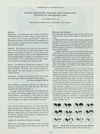 5 citations
,
October 1993 in “International Journal of Dermatology”
5 citations
,
October 1993 in “International Journal of Dermatology” Topical minoxidil is effective and safe for hair regrowth in Middle Eastern men with early baldness, with better results in younger patients and certain types of baldness.
1 citations
,
March 1990 in “Clinical Drug Investigation” 2% topical minoxidil can help reduce hair loss and promote hair growth in male pattern baldness.
3 citations
,
March 2022 in “Archives of Dermatological Research” January 2006 in “대한피부과학회지” Using finasteride and minoxidil together improves the frontal hairline best in male hair loss.
 December 2023 in “Farmateka”
 Minoxidil is an effective and safe treatment for common hair loss when applied to the skin, but more research is needed for optimal use.
26 citations
,
March 1994 in “Archives of Dermatology” 2% topical minoxidil effectively promotes hair growth in women with androgenetic alopecia.
 March 1988 in “Archives of Dermatology”
 Minoxidil therapy can help with hair regrowth, but results vary and some people are just happy to stop further hair loss.
 March 2005 in “Journal of The American Academy of Dermatology”
 The two lotions used day and night may be a good alternative to minoxidil for hair loss treatment with better cosmetic effects and tolerance.
4 citations
,
December 2015 in “MVP journal of medical science” Topical Minoxidil 5% works as well as the combination treatment for hair loss.
 January 2024 in “International Journal of Dermatology Research”
 Minoxidil alone is as effective as the combination but has fewer side effects.
 74 citations
,
April 2005 in “Dermatologic Clinics”
74 citations
,
April 2005 in “Dermatologic Clinics” Minoxidil and finasteride are effective for male hair loss, minoxidil for female hair loss, and various treatments like corticosteroids work for alopecia areata; treatment should be tailored to the individual.
January 2022 in “Springer eBooks” 
Using 5% minoxidil foam twice daily can help regrow hair, especially in younger men aged 20-30.
44 citations
,
January 1997 in “British Journal of Dermatology” Stopping 5% topical minoxidil can reverse unwanted hair growth on the face and limbs.
 58 citations
,
July 1986 in “Journal of The American Academy of Dermatology”
58 citations
,
July 1986 in “Journal of The American Academy of Dermatology” Lowest effective minoxidil concentration is 1%, but 2% works better for male pattern baldness.
March 2023 in “Reactions Weekly” January 2023 in “Reactions Weekly” January 2023 in “Reactions Weekly” January 2023 in “Reactions Weekly” 5 citations
,
January 1988 in “Analytical profiles of drug substances” Minoxidil helps lower blood pressure and can also promote hair growth.
5 citations
,
January 2018 in “Italian journal of dermatology and venereology” Minoxidil effectively stimulates hair growth in androgenetic alopecia.
June 1986 in “Journal of the American Academy of Dermatology” Topical minoxidil showed promise for early male pattern baldness.
26 citations
,
June 1988 in “PubMed” 3% topical minoxidil is ineffective for severe chronic alopecia areata.
 13 citations
,
February 2022 in “JAMA Dermatology”
13 citations
,
February 2022 in “JAMA Dermatology” Dutasteride is the most effective hair loss treatment after 24 weeks, but finasteride leads to the most hair growth after 48 weeks.
 11 citations
,
July 1988 in “International Journal of Dermatology”
11 citations
,
July 1988 in “International Journal of Dermatology” The study found that using 2% minoxidil solution can help grow hair and is safe.