 24 citations
,
September 2020 in “Dermatology and therapy”
24 citations
,
September 2020 in “Dermatology and therapy” Oral minoxidil 5 mg daily increases hair growth safely in men with hair loss, with minor side effects.
 14 citations
,
September 2020 in “Dermatologic Therapy”
14 citations
,
September 2020 in “Dermatologic Therapy” Oral minoxidil improves hair density in women with androgenetic alopecia, with mild side effects.
 19 citations
,
May 2020 in “Journal of The American Academy of Dermatology”
19 citations
,
May 2020 in “Journal of The American Academy of Dermatology” Low-dose oral minoxidil improves hair growth in male hair loss.
 16 citations
,
May 2020 in “Journal of The European Academy of Dermatology and Venereology”
16 citations
,
May 2020 in “Journal of The European Academy of Dermatology and Venereology” Sublingual minoxidil effectively treats hair loss with mild side effects.
 12 citations
,
January 2020 in “Skin appendage disorders”
12 citations
,
January 2020 in “Skin appendage disorders” Low-dose oral minoxidil effectively treats female hair loss with good safety.
 14 citations
,
August 2019 in “Journal of Dermatological Treatment”
14 citations
,
August 2019 in “Journal of Dermatological Treatment” 10% minoxidil solution better promotes hair growth and reduces hair loss without significant side effects.
11 citations
,
January 2019 in “International Journal of Trichology” Mesotherapy is not significantly better than minoxidil for treating male hair loss.
 36 citations
,
September 2018 in “Dermatologic Therapy”
36 citations
,
September 2018 in “Dermatologic Therapy” Oral minoxidil helps hair growth, is cost-effective, and mostly well-tolerated.
 27 citations
,
September 2018 in “Medicines”
27 citations
,
September 2018 in “Medicines” Oleic acid nanovesicles improve minoxidil absorption in hair follicles for alopecia treatment.
 54 citations
,
May 2018 in “Journal of The European Academy of Dermatology and Venereology”
54 citations
,
May 2018 in “Journal of The European Academy of Dermatology and Venereology” Low level laser therapy works best for hair loss, followed by PRP, finasteride, and minoxidil.
 80 citations
,
December 2017 in “International Journal of Dermatology”
80 citations
,
December 2017 in “International Journal of Dermatology” Low-dose oral minoxidil and spironolactone combo effectively reduces hair loss and improves hair density in women.
 145 citations
,
November 2017 in “Journal of The European Academy of Dermatology and Venereology”
145 citations
,
November 2017 in “Journal of The European Academy of Dermatology and Venereology” Use minoxidil for hair loss treatment; assess results after 6 months.
 19 citations
,
November 2017 in “Journal of Pharmaceutical Sciences”
19 citations
,
November 2017 in “Journal of Pharmaceutical Sciences” A new gel containing minoxidil can treat hair loss effectively, potentially reducing side effects and improving treatment.
 40 citations
,
September 2017 in “F1000Research”
40 citations
,
September 2017 in “F1000Research” Oral minoxidil effectively reduces hair shedding in women with CTE, with no major side effects.
 12 citations
,
June 2017 in “Cell Cycle”
12 citations
,
June 2017 in “Cell Cycle” Minoxidil foam helps hair growth by increasing good proteins and decreasing bad pathways in men with hair loss.
 178 citations
,
April 2017 in “Journal of The American Academy of Dermatology”
178 citations
,
April 2017 in “Journal of The American Academy of Dermatology” Minoxidil, finasteride, and low-level laser light therapy effectively treat hair loss.
 33 citations
,
October 2016 in “European Journal of Pharmaceutical Sciences”
33 citations
,
October 2016 in “European Journal of Pharmaceutical Sciences” Effervescent formulations may improve minoxidil delivery, increasing effectiveness and reducing applications needed.
 24 citations
,
October 2016 in “Oncotarget”
24 citations
,
October 2016 in “Oncotarget” Finasteride has a higher risk of reproductive side effects than minoxidil.
 13 citations
,
June 2016 in “Dermatologic Therapy”
13 citations
,
June 2016 in “Dermatologic Therapy” Minoxidil works better when applied on a damp scalp than a dry one.
 32 citations
,
April 2016 in “Aaps Pharmscitech”
32 citations
,
April 2016 in “Aaps Pharmscitech” Nanostructured lipid carriers improve minoxidil delivery for hair loss treatment.
 20 citations
,
September 2015 in “Journal of The European Academy of Dermatology and Venereology”
20 citations
,
September 2015 in “Journal of The European Academy of Dermatology and Venereology” Minoxidil foam promotes hair growth and reduces hair loss safely in men.
 36 citations
,
May 2015 in “Australasian Journal of Dermatology”
36 citations
,
May 2015 in “Australasian Journal of Dermatology” Low dose oral minoxidil helps regrow hair in permanent chemotherapy-induced alopecia.
 19 citations
,
January 2015 in “Skin Pharmacology and Physiology”
19 citations
,
January 2015 in “Skin Pharmacology and Physiology” Minoxidil foam effectively promotes hair growth and reduces hair loss in men.
 19 citations
,
September 2014 in “British Journal of Dermatology”
19 citations
,
September 2014 in “British Journal of Dermatology” Minoxidil foam 5% effectively treats hair loss in both frontal and vertex scalp regions.
 24 citations
,
April 2014 in “Oncotarget”
24 citations
,
April 2014 in “Oncotarget” Minoxidil can reduce functions related to androgen receptors.
5 citations
,
March 2013 in “Journal of cosmetic and laser therapy” Laser treatment successfully removed unwanted facial hair caused by minoxidil.
 152 citations
,
April 2012 in “Recent Patents on Inflammation & Allergy Drug Discovery”
152 citations
,
April 2012 in “Recent Patents on Inflammation & Allergy Drug Discovery” Minoxidil treats hair loss, promotes growth, has side effects, and has recent patents.
 205 citations
,
March 2012 in “Science Translational Medicine”
205 citations
,
March 2012 in “Science Translational Medicine” PGD2 stops hair growth and is higher in bald men with AGA.
6 citations
,
October 2011 in “Archives de pédiatrie” Minoxidil ingestion can cause severe heart issues and requires careful medical monitoring.
 100 citations
,
June 2011 in “Journal of The American Academy of Dermatology”
100 citations
,
June 2011 in “Journal of The American Academy of Dermatology” 5% minoxidil foam once daily works as well as 2% minoxidil solution twice daily for female hair growth and is more convenient.
 88 citations
,
February 2011 in “Journal of Dermatological Science”
88 citations
,
February 2011 in “Journal of Dermatological Science” Minoxidil helps hair growth by activating the β-catenin pathway.
 74 citations
,
June 2010 in “European Journal of Pharmaceutics and Biopharmaceutics”
74 citations
,
June 2010 in “European Journal of Pharmaceutics and Biopharmaceutics” Minoxidil foam enters hair follicles and skin for hair growth.
 30 citations
,
May 2010 in “British Journal of Dermatology”
30 citations
,
May 2010 in “British Journal of Dermatology” Intermediate hair follicles are a better model for studying hair growth and testing hair loss treatments.
 39 citations
,
April 2010 in “International Journal of Pharmaceutics”
39 citations
,
April 2010 in “International Journal of Pharmaceutics” Nanoparticles improve minoxidil skin permeation, but more research needed for effective hair growth.
 25 citations
,
January 2010 in “International Journal of Pharmaceutics”
25 citations
,
January 2010 in “International Journal of Pharmaceutics” Particle properties affect drug retention and release in minoxidil foams, with lipid nanoparticles having higher loading capacity.
 37 citations
,
October 2009 in “Dermatology”
37 citations
,
October 2009 in “Dermatology” Minoxidil stimulates hair growth by increasing hair thickness and prolonging growth phase.
 128 citations
,
July 2009 in “International Journal of Pharmaceutics”
128 citations
,
July 2009 in “International Journal of Pharmaceutics” PEVs improve minoxidil skin penetration, increasing hair growth.
 55 citations
,
June 2009 in “Journal of Pharmaceutical Sciences”
55 citations
,
June 2009 in “Journal of Pharmaceutical Sciences” Minoxidil promotes hair growth by penetrating skin, with ethanol-containing formulas working best.
 34 citations
,
April 2009 in “Skin Pharmacology and Physiology”
34 citations
,
April 2009 in “Skin Pharmacology and Physiology” Minoxidil affects cell growth in two ways: low doses increase growth, while high doses slow it down and can be toxic.
 211 citations
,
February 2009 in “European journal of pharmaceutics and biopharmaceutics”
211 citations
,
February 2009 in “European journal of pharmaceutics and biopharmaceutics” Hair follicles help absorb and store topical compounds, aiding targeted drug delivery.
4 citations
,
January 2009 in “International journal of trichology” Minoxidil topical foam is a better, less irritating treatment for hair loss.
 212 citations
,
September 2008 in “Journal of The American Academy of Dermatology”
212 citations
,
September 2008 in “Journal of The American Academy of Dermatology” Minoxidil and finasteride treat hair loss in men, while minoxidil treats hair loss in women.
 102 citations
,
February 2008 in “The FASEB Journal”
102 citations
,
February 2008 in “The FASEB Journal” One minoxidil-sensitive potassium channel exists in human hair follicles.
 142 citations
,
August 2007 in “Journal of The American Academy of Dermatology”
142 citations
,
August 2007 in “Journal of The American Academy of Dermatology” New 5% minoxidil foam effectively promotes hair growth and is safe for use.
 65 citations
,
August 2007 in “Experimental Dermatology”
65 citations
,
August 2007 in “Experimental Dermatology” Human hair follicles can make and process prostaglandins, which may affect hair growth.
 85 citations
,
January 2007 in “Journal of Drug Targeting”
85 citations
,
January 2007 in “Journal of Drug Targeting” Liposomes better deliver minoxidil for hair loss treatment than niosomes.
 14 citations
,
January 2007 in “Journal of Dermatological Treatment”
14 citations
,
January 2007 in “Journal of Dermatological Treatment” Minoxidil solution had low effect, causing 99% to stop using it.
 43 citations
,
January 2007 in “American Journal of Clinical Dermatology”
43 citations
,
January 2007 in “American Journal of Clinical Dermatology” Combined minoxidil and tretinoin solution works as well as regular minoxidil for male hair loss.
 23 citations
,
October 2006 in “Journal of Dermatological Science”
23 citations
,
October 2006 in “Journal of Dermatological Science” Ethosomal minoxidil improves hair growth by penetrating deeper into skin and shortening hair cycle.
 27 citations
,
November 2005 in “Archives of Dermatological Research”
27 citations
,
November 2005 in “Archives of Dermatological Research” Choosing hair follicles at the same growth stage leads to more consistent hair growth experiments.
 35 citations
,
March 2005 in “Journal of Investigative Dermatology”
35 citations
,
March 2005 in “Journal of Investigative Dermatology” Potassium channel openers like minoxidil help hair grow by acting on hair follicles.
 316 citations
,
June 2004 in “The journal of investigative dermatology/Journal of investigative dermatology”
316 citations
,
June 2004 in “The journal of investigative dermatology/Journal of investigative dermatology” Microspheres about 1.5 micrometers in size can best penetrate hair follicles, potentially reaching important stem cells.
 219 citations
,
March 2004 in “Journal of The American Academy of Dermatology”
219 citations
,
March 2004 in “Journal of The American Academy of Dermatology” 5% and 2% minoxidil solutions effectively promote hair growth and reduce hair loss, with 5% being slightly more effective but having more side effects.
 149 citations
,
March 2004 in “Journal of Dermatological Science”
149 citations
,
March 2004 in “Journal of Dermatological Science” Minoxidil boosts hair growth by increasing cell production and survival.
 34 citations
,
March 2004 in “Journal of Liposome Research”
34 citations
,
March 2004 in “Journal of Liposome Research” Minoxidil-loaded liposomes effectively deliver to hair follicles, potentially improving hair growth and treating alopecia.
 397 citations
,
February 2004 in “British Journal of Dermatology”
397 citations
,
February 2004 in “British Journal of Dermatology” Minoxidil boosts hair growth by opening potassium channels and increasing cell activity.
 29 citations
,
December 2003 in “Teratology”
29 citations
,
December 2003 in “Teratology” Minoxidil use during pregnancy may cause fetal harm.
 30 citations
,
September 2003 in “Experimental Dermatology”
30 citations
,
September 2003 in “Experimental Dermatology” Minoxidil helps prevent stress-caused hair loss in mice.
 14 citations
,
September 2003 in “Archives of Dermatology”
14 citations
,
September 2003 in “Archives of Dermatology” Finasteride may not stop severe hair loss after stopping minoxidil.
 26 citations
,
July 2003 in “Journal of Cutaneous Medicine and Surgery”
26 citations
,
July 2003 in “Journal of Cutaneous Medicine and Surgery” Minoxidil solution safely and effectively treats hair loss.
 63 citations
,
April 2003 in “Journal of The European Academy of Dermatology and Venereology”
63 citations
,
April 2003 in “Journal of The European Academy of Dermatology and Venereology” Minoxidil use increases facial hair growth in females, more in older users.
 24 citations
,
January 2003 in “Drug Delivery”
24 citations
,
January 2003 in “Drug Delivery” Minoxidil-containing vesicles improve hair growth.
 269 citations
,
August 2002 in “Journal of The American Academy of Dermatology”
269 citations
,
August 2002 in “Journal of The American Academy of Dermatology” 5% minoxidil works better for hair growth and density, with minor irritation.
 149 citations
,
June 2002 in “British Journal of Dermatology”
149 citations
,
June 2002 in “British Journal of Dermatology” Minoxidil works better for female hair loss, but cyproterone reduces scalp oiliness and causes menstrual issues.
 17 citations
,
April 2002 in “Contact Dermatitis”
17 citations
,
April 2002 in “Contact Dermatitis” Minoxidil 5% caused skin discoloration in a man using it for hair loss.
 123 citations
,
February 2002 in “Journal of The American Academy of Dermatology”
123 citations
,
February 2002 in “Journal of The American Academy of Dermatology” Minoxidil can cause skin allergy; use alternative solvents or treatments if allergic.
 83 citations
,
December 2001 in “Journal of Investigative Dermatology”
83 citations
,
December 2001 in “Journal of Investigative Dermatology” Minoxidil boosts hair growth by targeting adenosine and possibly sulfonylurea receptor 2B.
33 citations
,
December 1999 in “Journal of Investigative Dermatology Symposium Proceedings”  115 citations
,
November 1999 in “Journal of The American Academy of Dermatology”
115 citations
,
November 1999 in “Journal of The American Academy of Dermatology” Minoxidil increases hair weight and count temporarily in men with hair loss.
 370 citations
,
September 1999 in “The New England Journal of Medicine”
370 citations
,
September 1999 in “The New England Journal of Medicine” Finasteride and minoxidil are effective for hair loss, but continued research is needed for better treatments.
 34 citations
,
February 1999 in “Journal of Dermatological Science”
34 citations
,
February 1999 in “Journal of Dermatological Science” Minoxidil boosts enzymes that help hair growth.
 179 citations
,
September 1998 in “BMJ”
179 citations
,
September 1998 in “BMJ” Hair loss in men is common, treatable, but not curable.
 118 citations
,
April 1998 in “Dermatologic Clinics”
118 citations
,
April 1998 in “Dermatologic Clinics” Finasteride and minoxidil are effective for hair regrowth, while treatments for alopecia areata have varying success and continuous treatment is necessary.
 192 citations
,
March 1998 in “British Journal of Dermatology”
192 citations
,
March 1998 in “British Journal of Dermatology” Minoxidil boosts growth factor in hair cells, potentially promoting hair growth.
 59 citations
,
February 1998 in “Chemico-Biological Interactions”
59 citations
,
February 1998 in “Chemico-Biological Interactions” Minoxidil breakdown varies by enzymes, affecting hair loss treatment effectiveness.
 81 citations
,
February 1997 in “Journal of Investigative Dermatology”
81 citations
,
February 1997 in “Journal of Investigative Dermatology” Minoxidil boosts hair growth by activating PGHS-1.
44 citations
,
January 1997 in “British Journal of Dermatology” Stopping 5% topical minoxidil can reverse unwanted hair growth on the face and limbs.
 82 citations
,
March 1994 in “Archives of Dermatology”
82 citations
,
March 1994 in “Archives of Dermatology” 2% topical minoxidil effectively treats female hair loss with minimal side effects.
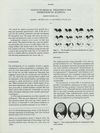 13 citations
,
October 1993 in “International Journal of Dermatology”
13 citations
,
October 1993 in “International Journal of Dermatology” Minoxidil effectively promotes hair regrowth in younger patients with small balding areas.
 58 citations
,
October 1993 in “International Journal of Dermatology”
58 citations
,
October 1993 in “International Journal of Dermatology” Minoxidil helps hair growth and reduces shedding in women.
 309 citations
,
May 1993 in “Journal of The American Academy of Dermatology”
309 citations
,
May 1993 in “Journal of The American Academy of Dermatology” Horizontal scalp biopsy sections effectively diagnose and predict MPAA, with follicular density and inflammation impacting hair regrowth.
 53 citations
,
January 1993 in “Biochemical Pharmacology”
53 citations
,
January 1993 in “Biochemical Pharmacology” Minoxidil needs activation to work, and minoxidil sulfate helps with hair growth and blood pressure.
 24 citations
,
January 1993 in “Dermatologic Clinics”
24 citations
,
January 1993 in “Dermatologic Clinics” Minoxidil effectively treats hair loss, works better for women, and requires consistent use.
 43 citations
,
November 1992 in “International Journal of Dermatology”
43 citations
,
November 1992 in “International Journal of Dermatology” Minoxidil 2% effectively treats female hair loss, promoting growth and density.
 15 citations
,
September 1992 in “The Lancet”
15 citations
,
September 1992 in “The Lancet” Stopping minoxidil caused significant hair loss, but regrowth occurred after resuming use.
 27 citations
,
April 1992 in “Biochemical Journal”
27 citations
,
April 1992 in “Biochemical Journal” Minoxidil reduces lysine hydroxylase in skin cells.
 14 citations
,
September 1991 in “Journal of Investigative Dermatology”
14 citations
,
September 1991 in “Journal of Investigative Dermatology” Minoxidil slows down keratinocyte growth without being toxic.
 85 citations
,
December 1990 in “Journal of Investigative Dermatology”
85 citations
,
December 1990 in “Journal of Investigative Dermatology” Minoxidil promotes hair growth in women with early-stage alopecia.
 166 citations
,
November 1990 in “Journal of Investigative Dermatology”
166 citations
,
November 1990 in “Journal of Investigative Dermatology” Minoxidil sulfate stimulates hair growth.
14 citations
,
September 1990 in “Journal of the American Academy of Dermatology” Viprostol does not effectively promote hair growth in male pattern baldness.
 25 citations
,
June 1990 in “Journal of Pharmaceutical Sciences”
25 citations
,
June 1990 in “Journal of Pharmaceutical Sciences” Longer contact time increases minoxidil absorption, but doesn't affect metabolism.
 70 citations
,
April 1990 in “Journal of The American Academy of Dermatology”
70 citations
,
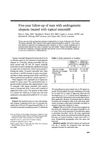
April 1990 in “Journal of The American Academy of Dermatology” Minoxidil treatment increased hair growth for up to 5 years, requiring twice daily application.
 30 citations
,
April 1990 in “Clinical Pharmacology & Therapeutics”
30 citations
,
April 1990 in “Clinical Pharmacology & Therapeutics” Tretinoin cream boosts minoxidil absorption, possibly improving hair loss treatment.
 19 citations
,
September 1989 in “Journal of The American Academy of Dermatology”
19 citations
,
September 1989 in “Journal of The American Academy of Dermatology” Minoxidil treatment may cause hair loss.
 25 citations
,
February 1989 in “The Journal of Clinical Pharmacology”
25 citations
,
February 1989 in “The Journal of Clinical Pharmacology” This document studied minoxidil in healthy volunteers. Minoxidil is quickly absorbed and eliminated from the body.
 31 citations
,
January 1989 in “Clinical and Experimental Dermatology”
31 citations
,
January 1989 in “Clinical and Experimental Dermatology” The study tested a hair treatment and found it can help grow hair, but won't stop baldness. It's safe and works well, but needs more testing.
 38 citations
,
October 1988 in “Clinics in Dermatology”
38 citations
,
October 1988 in “Clinics in Dermatology” Minoxidil can help grow hair and make hair follicles bigger, but it can also cause side effects.
 45 citations
,
October 1988 in “British Journal of Clinical Pharmacology”
45 citations
,
October 1988 in “British Journal of Clinical Pharmacology” Using topical minoxidil for baldness can cause heart problems, especially in those with heart disease.
 23 citations
,
March 1988 in “Biochemical Pharmacology”
23 citations
,
March 1988 in “Biochemical Pharmacology” Minoxidil stops cells from making prostacyclin, which may help with hair growth. More research is needed.
 25 citations
,
November 1987 in “British Journal of Dermatology”
25 citations
,
November 1987 in “British Journal of Dermatology” Minoxidil didn't increase scalp blood flow for hair growth, but hexyl nicotinate did.
 20 citations
,
November 1987 in “Archives of Dermatology”
20 citations
,
November 1987 in “Archives of Dermatology” The document concludes that topical minoxidil therapy is safe and effective in promoting hair growth for male pattern baldness.
 34 citations
,
November 1987 in “Archives of Dermatology”
34 citations
,
November 1987 in “Archives of Dermatology” Oral minoxidil helps hair regrowth in 80% of alopecia patients, but only 18% see cosmetic improvement.
 57 citations
,
July 1987 in “Journal of The American Academy of Dermatology”
57 citations
,
July 1987 in “Journal of The American Academy of Dermatology” Stopping minoxidil treatment resumes balding; continuous use needed for results.
 44 citations
,
March 1987 in “Journal of The American Academy of Dermatology”
44 citations
,
March 1987 in “Journal of The American Academy of Dermatology” Using minoxidil on balding scalps can stimulate hair regrowth and increase blood flow. It's an effective treatment for early hair loss.
 67 citations
,
March 1987 in “Journal of The American Academy of Dermatology”
67 citations
,
March 1987 in “Journal of The American Academy of Dermatology” Minoxidil helps hair growth and prevents hair loss in androgenetic alopecia. It's safe and effective.
 101 citations
,
March 1987 in “Journal of The American Academy of Dermatology”
101 citations
,
March 1987 in “Journal of The American Academy of Dermatology” Minoxidil solution helps hair regrowth in alopecia areata, with 5% being more effective.
 78 citations
,
March 1987 in “Journal of The American Academy of Dermatology”
78 citations
,
March 1987 in “Journal of The American Academy of Dermatology” Minoxidil promotes hair growth but stops working when discontinued.
26 citations
,
January 1987 in “Archives of Dermatology” Topical minoxidil does not block androgen effects.
 9 citations
,
January 1987 in “Journal of The American Academy of Dermatology”
9 citations
,
January 1987 in “Journal of The American Academy of Dermatology” A man lost a lot of scalp hair quickly after stopping minoxidil, but it grew back with mild male pattern baldness.
 11 citations
,
January 1987 in “Dermatology”
11 citations
,
January 1987 in “Dermatology” Minoxidil works for 56% of balding men with specific criteria.
 58 citations
,
July 1986 in “Journal of The American Academy of Dermatology”
58 citations
,
July 1986 in “Journal of The American Academy of Dermatology” Lowest effective minoxidil concentration is 1%, but 2% works better for male pattern baldness.
 54 citations
,
June 1985 in “American Journal of Dermatopathology”
54 citations
,
June 1985 in “American Journal of Dermatopathology” Minoxidil helps grow longer, thicker hair in bald scalps of stumptailed macaques, and early treatment is more effective.
 55 citations
,
February 1985 in “Archives of Dermatology”
55 citations
,
February 1985 in “Archives of Dermatology” Using minoxidil on the scalp can help grow hair for people with hereditary baldness.
 52 citations
,
February 1985 in “Archives of Dermatology”
52 citations
,
February 1985 in “Archives of Dermatology” Minoxidil absorbs poorly through skin, with low risk of side effects at 1-2% concentration.
 137 citations
,
May 1984 in “Journal of Investigative Dermatology”
137 citations
,
May 1984 in “Journal of Investigative Dermatology” Minoxidil increases blood flow in balding scalps, possibly reversing hair loss.
 66 citations
,
September 1982 in “Biochemical Pharmacology”
66 citations
,
September 1982 in “Biochemical Pharmacology” Liver enzyme helps minoxidil work better for blood vessel relaxation.
 96 citations
,
October 1981 in “Drugs”
96 citations
,
October 1981 in “Drugs” Minoxidil effectively treats severe hypertension but may cause side effects, so careful monitoring is needed.
 56 citations
,
August 1981 in “Journal of The American Academy of Dermatology”
56 citations
,
August 1981 in “Journal of The American Academy of Dermatology” Minoxidil helps hair regrowth in alopecia areata safely.
73 citations
,
November 1979 in “British Journal of Dermatology” Minoxidil can cause excessive hair growth.
 26 citations
,
January 1978 in “Nephron”
26 citations
,
January 1978 in “Nephron” Minoxidil lowers blood pressure effectively but may cause side effects.
 102 citations
,
September 1977 in “The Lancet”
102 citations
,
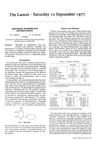
September 1977 in “The Lancet” Minoxidil with propranolol and diuretics lowers blood pressure but causes fluid retention and hair growth.
 86 citations
,
September 1977 in “BMJ”
86 citations
,
September 1977 in “BMJ” Minoxidil effectively controls blood pressure in severe cases, but has serious side effects and causes hair growth in women.
 54 citations
,
May 1977 in “The Journal of Pediatrics”
54 citations
,
May 1977 in “The Journal of Pediatrics” Minoxidil helps lower high blood pressure in kids, but can cause fluid retention and hair growth.
 43 citations
,
January 1977 in “Toxicology and Applied Pharmacology”
43 citations
,
January 1977 in “Toxicology and Applied Pharmacology” Minoxidil is mostly safe, but high doses can cause electrolyte imbalances and heart issues in dogs.