 January 2025 in “Acta Dermatovenerologica Alpina Pannonica et Adriatica”
 Oral minoxidil boosts hair growth and reduces shedding in androgenetic alopecia.
 1 citations
,
January 2023 in “Indian Journal of Dermatology/Indian journal of dermatology”
1 citations
,
January 2023 in “Indian Journal of Dermatology/Indian journal of dermatology” 5% minoxidil can significantly increase hair growth in TRPS patients.
 June 2017 in “Journal of The American Academy of Dermatology”
 Microneedling with PRP and minoxidil (5%) improves hair growth more than minoxidil (5%) alone.
January 2025 in “Global Journal of Medical Therapeutics” Minoxidil can cause allergic skin reactions, especially in those with underlying health issues.
 45 citations
,
November 1979 in “British Journal of Dermatology”
45 citations
,
November 1979 in “British Journal of Dermatology” Minoxidil causes excessive hair growth in almost all patients.
 September 2023 in “PubMed”
 Platelet-rich plasma therapy works better than minoxidil for hair loss treatment in the tested group.
Microneedling with PRP is more effective and satisfying for male pattern hair loss than microneedling with minoxidil.
 8 citations
,
January 2020 in “Journal of Cutaneous Medicine and Surgery”
8 citations
,
January 2020 in “Journal of Cutaneous Medicine and Surgery” Oral minoxidil may improve hair loss in men and women, but has some side effects.
November 2019 in “DOAJ (DOAJ: Directory of Open Access Journals)” Adding 7% chamomile extract to minoxidil reduces skin side effects in treating male hair loss.
5 citations
,
March 2013 in “Journal of cosmetic and laser therapy” Laser treatment successfully removed unwanted facial hair caused by minoxidil.
 36 citations
,
June 1990 in “Archives of Dermatology”
36 citations
,
June 1990 in “Archives of Dermatology” Using minoxidil and anthralin together can improve hair regrowth in severe alopecia areata patients who didn't respond to individual treatments.
 48 citations
,
January 2017 in “International Journal of Trichology”
48 citations
,
January 2017 in “International Journal of Trichology” Microneedling with platelet-rich plasma and minoxidil improves hair growth more than just minoxidil in men with hair loss.
 November 2024 in “International Society of Hair Restoration Surgery”
 Systemic minoxidil is generally safe for older adults, but caution is needed for those with heart risks.
4 citations
,
March 2021 in “Experimental dermatology” Minoxidil increases nail growth more than biotin.
 July 2012 in “Reactions Weekly”
 Minoxidil use was linked to a rare eye condition that improved after stopping the treatment.
46 citations
,
June 1990 in “Archives of dermatology” Combining 5% minoxidil and 0.5% anthralin can help regrow hair in some severe alopecia areata patients.
 11 citations
,
January 1980 in “Southern Medical Journal”
11 citations
,
January 1980 in “Southern Medical Journal” Minoxidil effectively treats severe hypertension but has notable side effects.
 September 2024 in “Journal of the American Academy of Dermatology”
 The compounded topical solution is safe, stable, and effective for personalized alopecia treatment.
March 2010 in “Hair transplant forum international” Minoxidil helps hair grow by opening specific channels in hair follicles.
January 2025 in “Case Reports in Gastrointestinal Medicine” Topical minoxidil can cause severe liver failure.
July 2024 in “Chemical Engineering Journal” A new microneedle system with minoxidil nanoparticles effectively promotes hair regrowth with fewer side effects.
 November 2020 in “Postepy Dermatologii I Alergologii”
 Sulfotransferase SULT1A1 activity may predict minoxidil treatment success for hair loss.
 September 2025 in “Journal of the American Academy of Dermatology”
 Both 2.5 mg and 5 mg doses of oral minoxidil are effective for hair regrowth in men with hair loss.
 June 2025 in “International Journal of Research in Dermatology”
 The combination of tretinoin gel and minoxidil effectively improves hair growth and satisfaction in people with androgenetic alopecia.
March 2026 in “International Journal of Dermatology” Children can develop excessive hair growth from indirect contact with minoxidil, but it usually reverses after stopping exposure.
 57 citations
,
August 2003 in “British Journal of Dermatology”
57 citations
,
August 2003 in “British Journal of Dermatology” Minoxidil and pyrithione zinc combo most effectively increases hair density.
 August 2023 in “Asian Journal of Medical Sciences”
 Microneedling with minoxidil is more effective than microneedling with multivitamins for male hair loss.
 12 citations
,
November 2011 in “International Journal of Dermatology”
12 citations
,
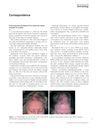
November 2011 in “International Journal of Dermatology” A woman developed a scalp condition from using minoxidil, which improved with a different treatment but left scarring.
 September 2025 in “Journal of the American Academy of Dermatology”
 Sublingual minoxidil significantly improves hair growth in transgender individuals on testosterone therapy.
 May 2024 in “Anais brasileiros de dermatologia/Anais Brasileiros de Dermatologia”
 Oral minoxidil 7.5 mg for hair loss increases heart rate but not blood pressure.