Search
for
Sort by
Research
690-720 / 1000+ resultsresearch Issue Information
research Citrullination at the Inflammatory Skin Barrier
A potential treatment for atopic dermatitis could be to increase PADI1 expression to improve skin barrier function.
research Towards the Development of AgoKirs: New Pharmacological Activators to Study Kir2.x Channel and Target Cardiac Disease
New compounds may help treat heart disease by activating specific potassium channels.
research 5α-Reductase Inhibitory Potential of Hibiscus rosa sinensis: Effective for the Management of Alopecia
Hibiscus rosa sinensis may help manage hair loss.

research Oral tofacitinib for the treatment of alopecia areata in pediatric patients
Tofacitinib taken by mouth helps treat hair loss in children.
research The comparison of treatment with clobetasol propionate 0.05% and topical pimecrolimus 1% treatment in the treatment of alopecia areata
Clobetasol and pimecrolimus are similarly effective for alopecia areata, but pimecrolimus has fewer side effects and is preferred for long-term use.
research Cuprorivaite/hardystonite/alginate composite hydrogel with thermionic effect for the treatment of peri-implant lesion
The hydrogel effectively treats dental implant issues by killing bacteria, reducing inflammation, and improving implant success.
research Anti-programmed cell death protein 1-induced lichenoid changes of the nail unit: Histopathologic description
Nail changes from immunotherapy can be managed without stopping cancer treatment.
research Vogt-Koyanagi-Harada Disease: A Narrative Review
Vogt-Koyanagi-Harada disease affects vision and skin, mainly in people with darker skin, and is treated with steroids and immunosuppressants.
research Successful hair regrowth in an acute diffuse form of alopecia areata during oral tacrolimus treatment in a patient with rheumatoid arthritis
Oral tacrolimus helped a rheumatoid arthritis patient regrow hair lost due to alopecia areata.
research Cover stories: 10 start-ups to watch: Liquid Light
Pomiferin may improve skin and scalp health by boosting important protein expression.
research Osteopontin regulatory functions in the hair follicle open a therapeutic approach for hypertrichosis
FOL-005 peptide may help treat excessive hair growth safely.
research Use of Excimer Lamp and Topical Tofacitinib 2% Gel in the Treatment of Pediatric Alopecia Areata: A Case Report
Combining excimer lamp and tofacitinib gel may help treat hair loss in children.
research Tofacitinib in the Recalcitrant Cases of Alopecia Areata: A Pilot Study
Tofacitinib effectively promotes hair regrowth in alopecia areata with minimal side effects.
research Formulation and Evaluation of Hair Gel for the Treatment of Chronic Inflammatory Disorder Seborrheic Dermatitis
The HG3 hair gel is the most effective for treating seborrheic dermatitis.
research Comparative Efficacy of JAK Inhibitors in Acute vs Nonacute Alopecia Areata: A Retrospective Cohort Study
Early treatment with JAK inhibitors leads to better hair regrowth in acute alopecia areata.
research Urinary symptoms in patients with androgenetic alopecia
Lower nitric oxide and higher fibrinogen found in hirsute women; impaired sexual function in 22.6% of hair loss patients, linked to psoriasis severity.
research Successful treatment with upadacitinib in concurrent atopic dermatitis, Crohn’s disease, alopecia areata, and eosinophilic gastropathy in a pediatric patient
Upadacitinib improved symptoms and hair regrowth in a teen with multiple autoimmune conditions.
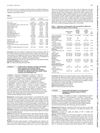
research POS0080 TOFACITINIB TREATMENT IN CHILDREN WITH RHEUMATIC DISEASES: SINGLE-CENTER EXPERIENCE
Tofacitinib is a promising treatment for children with rheumatic diseases.
research Infiltrative Erythemas and Nodules on a Unilateral Cheek Following Inappropriate Use of a Topical Steroid
Improper steroid use can cause skin issues like rosacea, which may improve after stopping the steroid and using benzoyl peroxide.
research Efficacy and safety of ritlecitinib in adults and adolescents with alopecia areata: a randomised, double-blind, multicentre, phase 2b–3 trial
Ritlecitinib effectively treats alopecia areata and is well-tolerated.
research 0935 Unravelling the role of JAK3/TEC kinase signalling with ritlecitinib in alopecia areata lesional skin and alopecia areata-induced human hair follicles ex vivo
Ritlecitinib reduces alopecia areata symptoms by blocking JAK3/TEC signaling and T-cell activity.
research Alopecia Diffusa while Using Interleukin-17 Inhibitors against Psoriasis Vulgaris
IL-17 inhibitors for psoriasis may cause unexpected hair loss.
research Post-marketing safety signals of four JAK inhibitors for alopecia areata: an indication-restricted FAERS pharmacovigilance study
JAK inhibitors for alopecia areata have different safety risks, requiring specific monitoring for each drug.

research Sanhuang Fukang oil alleviates X-ray-induced skin injury by reducing inflammation and apoptosis: an in vivo study
Sanhuang Fukang oil helps heal radiation skin injuries by reducing inflammation and cell death.

research Efficacy of Janus Kinase Inhibitors in Alopecia in Jordanian Patients: A Retrospective Cohort Study
Baricitinib is more effective than tofacitinib for hair regrowth in alopecia patients.
research Unraveling Ritlecitinib: an in-depth analysis of JAK3 inhibitor for the treatment of alopecia areata
Ritlecitinib is an effective new treatment for Alopecia Areata.
research K15 & Id3 expression in intact and regenerating adult vibrissae rodent hair follicles
K15 and Id3 are important in hair follicle regeneration, with K15 increasing in early stages and Id3 responding later.
research 700 Tyrosine kinase 2 inhibition rescues hair follicles from IL-12–mediated immune privilege collapse and reverses the induction of human alopecia areata in a humanized mouse model
Inhibiting TYK2 can restore hair growth in alopecia areata.