17 citations
,
May 2019 in “BMJ Open” JAK/STAT inhibitors show promise for skin diseases but aren't yet approved.
 May 2023 in “Journal of Endocrinology and Reproduction”
 Blocking cholesterol production may help control hair loss in Primary Cicatricial Alopecia by affecting key regulators.
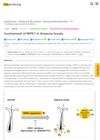
RIPK1 inhibitors might help prevent alopecia areata.
July 2022 in “Journal of Investigative Dermatology” Inhibiting TYK2 can restore hair growth in alopecia areata.
September 2025 in “OPAL (Open@LaTrobe) (La Trobe University)” 7DHC and BM15766 damage hair follicle structure and reduce key gene expression.
2 citations
,
October 2010 in “BMB Reports” L-threonate may help prevent balding by blocking a key hair loss factor.
![Discovery of 7-Methoxy-6-[4-(4-Methyl-1,3-Thiazol-2-yl)-1H-Imidazol-5-yl]-1,3-Benzothiazole (TASP0382088): A Potent and Selective Transforming Growth Factor-β Type I Receptor Inhibitor as a Topical Drug for Alopecia](/images/assets/9620bd26-3366-4f2a-bcac-f511697bbc41/small/35997.jpg) 6 citations
,
January 2013 in “Chemical & pharmaceutical bulletin/Chemical and pharmaceutical bulletin”
6 citations
,
January 2013 in “Chemical & pharmaceutical bulletin/Chemical and pharmaceutical bulletin” A new compound shows promise as a topical treatment for hair loss.
April 2025 in “Anais Brasileiros de Dermatologia” Abrocitinib effectively treats severe alopecia areata with significant improvement and no side effects.
 238 citations
,
November 2016 in “Journal of The American Academy of Dermatology”
238 citations
,
November 2016 in “Journal of The American Academy of Dermatology” Tofacitinib is effective and safe for severe hair loss, but full regrowth is less likely after 10 years of hair loss.
8 citations
,
November 1978 in “British journal of dermatology/British journal of dermatology, Supplement” Cyproterone acetate can effectively treat idiopathic hirsutism, but ethinyl oestradiol and lynoestrenol may not always reduce hair growth.
 July 2022 in “The journal of investigative dermatology/Journal of investigative dermatology”
 Targeting impaired Nrf2 signaling might help treat hidradenitis suppurativa early on.
 23 citations
,
February 2015 in “International Journal of Molecular Sciences”
23 citations
,
February 2015 in “International Journal of Molecular Sciences” Colchicine can inhibit hair growth by affecting cell activity and protein expression in hair follicles.
Upadacitinib effectively treated a patient with multiple inflammatory conditions.
 January 2026 in “Stem Cell Research & Therapy”
 ASLNC168501 can help treat hair loss by restoring hair follicle stem cell function.
3 citations
,
November 2024 in “Clinical Research” Deuruxolitinib is FDA-approved for treating severe alopecia areata.
 82 citations
,
January 2000 in “Hormone Research in Paediatrics”
82 citations
,
January 2000 in “Hormone Research in Paediatrics” DHEA stimulates skin oil glands and could help postmenopausal women, with potential for acne and excessive hair growth treatments.
30 citations
,
February 1996 in “Journal of Investigative Dermatology”  105 citations
,
January 2009 in “Medicine”
105 citations
,
January 2009 in “Medicine” Hirsutism is more linked to high androgen levels than acne or hair loss, and a mix of hormonal tests is best for diagnosis; certain treatments can reduce symptoms.
 August 1994 in “Journal of dermatological science”
 Different substances affect hair and skin cell growth in various ways, with some promoting and others inhibiting cell proliferation.
May 2025 in “Clinical Proteomics” Key proteins and potential drugs for treating alopecia areata were identified.
 25 citations
,
March 2017 in “Archives of Dermatological Research”
25 citations
,
March 2017 in “Archives of Dermatological Research” Sinapic acid may help hair growth by activating a specific cell pathway.
 November 2024 in “Aging Cell”
 Removing senescent cells can improve hair growth and regeneration.
 6 citations
,
February 2023 in “Journal of nanobiotechnology”
6 citations
,
February 2023 in “Journal of nanobiotechnology” The new anti-acne treatment HA-P5 effectively reduces acne by targeting two key receptors and avoids an enzyme that can hinder treatment.
54 citations
,
June 2008 in “Planta Medica” Hinokitiol may help treat hair loss by reducing inflammation and promoting hair growth.
 September 2016 in “Journal of Dermatological Science”
 A gene mutation worsens skin irritation in mice due to a lack of certain fats.
12 citations
,
January 1987 in “Carcinogenesis” TCDD changes skin cell growth and keratin production in mice.
21 citations
,
December 2017 in “The journal of investigative dermatology. Symposium proceedings/The Journal of investigative dermatology symposium proceedings” Simvastatin/ezetimibe may help treat new cases of alopecia areata but not long-term cases.
July 2024 in “Journal of Investigative Dermatology” Taxane chemotherapy can cause permanent hair loss by damaging hair follicles and altering their DNA.
 April 2023 in “Journal of Investigative Dermatology”
 Acne patients have higher skin mTORC1 activity, which is reduced by isotretinoin treatment.
December 2016 in “The journal of investigative dermatology/Journal of investigative dermatology” Hedgehog signaling controls hair follicle development and can affect skin cancer growth.