 1 citations
,
October 2023 in “JEADV. Journal of the European Academy of Dermatology and Venereology/Journal of the European Academy of Dermatology and Venereology”
1 citations
,
October 2023 in “JEADV. Journal of the European Academy of Dermatology and Venereology/Journal of the European Academy of Dermatology and Venereology” A man developed skin lesions as a side effect of a gamma secretase inhibitor used for treating a tumor.
 5 citations
,
September 2021 in “Frontiers in Cell and Developmental Biology”
5 citations
,
September 2021 in “Frontiers in Cell and Developmental Biology” Dihydrotestosterone treatment on 2D and 3D-cultured skin cells slows down hair growth by affecting certain genes and could be a potential target for hair loss treatment.
 40 citations
,
December 2016 in “Journal of Dermatological Treatment”
40 citations
,
December 2016 in “Journal of Dermatological Treatment” JAK inhibitors show promise for treating skin and hair disorders but need more research on long-term safety and effectiveness.
 February 2025 in “Journal of Clinical Investigation”
 RNase L hinders hair growth by altering immune signals.
1 citations
,
November 2024 in “Blood” PI3Kδ inhibition may effectively treat cutaneous chronic graft-versus-host disease.
 April 2024 in “Frontiers in pharmacology”
 Brepocitinib 30mg is most effective for moderate-to-severe alopecia areata, but ritlecitinib 50mg may offer a better balance of safety and effectiveness.
July 2025 in “Journal of Investigative Dermatology” Hhip-Cre effectively targets dermal papilla cells for gene manipulation in hair biology.
 July 2026 in “Zenodo (CERN European Organization for Nuclear Research)”
 JAK inhibitors may help treat alopecia areata by restoring hair growth.
 July 2026 in “Zenodo (CERN European Organization for Nuclear Research)”
 JAK inhibitors may help treat alopecia areata by restoring hair growth.
 April 2017 in “Journal of Investigative Dermatology”
 Blocking JAK-STAT5 signaling in mice leads to hair growth.
 January 2026 in “Dermatology Reports”
 Upadacitinib improved symptoms and hair regrowth in a teen with multiple autoimmune conditions.
6 citations
,
August 2024 in “The Journal of Dermatology” Ozenoxacin reduces sebum production, helping manage acne.
415 citations
,
January 2008 in “Cell” NFATc1 controls hair stem cell activity, affecting hair growth and could be a target for hair loss treatments.
4 citations
,
February 2019 in “BioMed Research International” Ebastine may promote hair regrowth by increasing cell growth through the ERK pathway.
3 citations
,
August 2021 in “Nutrition research” Estrogen affects how vitamin A is processed in mouse skin, which may impact acne treatment, hair growth, and skin defense.
 4 citations
,
August 2010 in “Acta Biologica Hungarica”
4 citations
,
August 2010 in “Acta Biologica Hungarica” New steroidal compounds moderately block an enzyme related to testosterone conversion, less effectively than finasteride.
July 2026 in “Journal of the American Academy of Dermatology”  May 2023 in “Research Square (Research Square)”
 Blocking the HEDGEHOG-GLI1 pathway can reduce keloid growth and may be a potential treatment.
![[4-t-Butylphenyl]-N-(4-imidazol-1-yl phenyl)sulfonamide (ISCK03) Inhibits SCF/c-kit Signaling in 501mel Human Melanoma Cells and Abolishes Melanin Production in Mice and Brownish Guinea Pigs](/images/assets/4eb017dc-711d-4926-bcd0-c3b8f48e3a99/small/19974.jpg) 26 citations
,
July 2007 in “Biochemical Pharmacology”
26 citations
,
July 2007 in “Biochemical Pharmacology” ISCK03 stops melanin production in human melanoma cells and lightens skin color in mice and guinea pigs.
 7 citations
,
August 2023 in “Journal of the American Academy of Dermatology”
7 citations
,
August 2023 in “Journal of the American Academy of Dermatology” JAK inhibitors offer new hope for treating severe alopecia areata.
 February 2025 in “International Journal of Molecular Sciences”
 RIPK1 inhibitors may help prevent alopecia areata by reducing immune cell activity.
13 citations
,
August 2021 in “Frontiers in Bioengineering and Biotechnology” Exosomes from fat stem cells can reduce fat cell formation.
 34 citations
,
February 1993 in “Journal of steroid biochemistry and molecular biology/The Journal of steroid biochemistry and molecular biology”
34 citations
,
February 1993 in “Journal of steroid biochemistry and molecular biology/The Journal of steroid biochemistry and molecular biology” Certain 4-azasteroids are effective at blocking the enzyme that processes testosterone in human skin and could help treat acne, excessive hair growth, and male pattern baldness.
14 citations
,
June 2011 in “Steroids” New compounds may help treat prostate issues without affecting androgen receptors.
 May 2025 in “Frontiers in Pharmacology”
 Targeting gut microbiome and metabolome may help treat autoimmune skin diseases like alopecia areata.
July 2026 in “Journal of Investigative Dermatology” 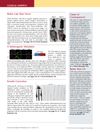 January 2016 in “Experimental Dermatology”
 New findings suggest potential treatments for melanoma, hyperpigmentation, hair defects, and multiple sclerosis, and show skin microbiome changes don't cause atopic dermatitis.
 11 citations
,
October 2017 in “Journal of Investigative Dermatology”
11 citations
,
October 2017 in “Journal of Investigative Dermatology” Applying certain inhibitors to the skin can promote hair growth without harming cells.
 1 citations
,
April 2020 in “Journal of The European Academy of Dermatology and Venereology”
1 citations
,
April 2020 in “Journal of The European Academy of Dermatology and Venereology” Drugs like PDEI may help hair disorders like AGA.
12 citations
,
July 2023 in “Journal of the European Academy of Dermatology and Venereology” Upadacitinib improved Crohn's disease, atopic dermatitis, and alopecia areata in one patient.